



Sump Pumps in Westminster, MD
Keeping your Westminster, MD home safe from basement flooding and water damage often hinges on a reliable sump pump. With seasonal heavy rains, spring thaws, and localized storms that can put a strain on older drainage systems, homeowners frequently face the risk of basement seepage and sump pit backups. This is precisely why Tario HVAC is here to help. We're your go-to experts for everything sump pump related in Westminster, covering everything from available options and common failures to best practices for installation and maintenance, how they integrate with basement waterproofing, their expected lifespan and costs, and what you can anticipate from emergency flood-response services.
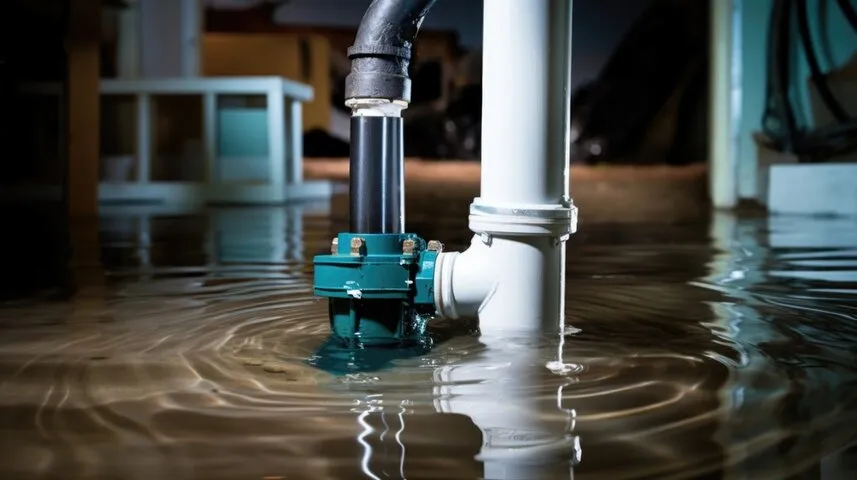
Why Sump Pumps matter in Westminster, MD
Westminster neighborhoods often have older homes, varying lot grades, and localized high water tables. Storm events that produce rapid runoff or prolonged rain can saturate soil and stress foundation drainage. A properly installed primary sump pump, paired with a reliable backup system and alarm, protects finished basements, stored items, mechanical systems, and indoor air quality by preventing standing water and prolonged moisture.
Types of sump pump systems and options
- Primary sump pumps
- Submersible: sits in the sump pit, quieter, more powerful for deeper pits.
- Pedestal: motor above the pit, easier to service, typically less expensive.
- Backup systems
- Battery backup: keeps the pump running during grid power loss, common in storm-driven outages.
- Water-powered backup: uses municipal water pressure as an emergency power source when available.
- Dual-pump installations: two electric pumps on separate circuits for redundancy.
- Alarm and monitoring options
- Float or electronic sensors that trigger audible alarms when water reaches a critical level.
- Smart monitors that send alerts to a phone for remote status during storms.
Common sump pump issues in Westminster homes
- Power outages during storms render single electric pumps useless without backup.
- Clogged pits or intake screens from debris, silt, or leaves.
- Stuck or misaligned float switches that prevent pump activation.
- Burned-out motors or worn impellers after years of cycling.
- Discharge line freezing in winter if not properly insulated or routed.
- Improperly pitched or blocked external discharge causing water to flow back toward the foundation.
Diagnostic and service process
When evaluating a sump pump system, a standard professional approach includes:
- Visual inspection of the pit, pump type, float operation, and discharge route.
- Electrical assessment: dedicated circuit, GFCI protection, wiring condition.
- Functional test: controlled water fill to confirm activation, pump flow, and check valve integrity.
- Battery test for backup systems: load and recharge checks, battery age assessment.
- Recommendations based on findings: repair, component replacement, or full system upgrade.
This diagnostic process identifies immediate failures and longer-term risks so you can prioritize repairs that reduce flood exposure.
Installation and replacement recommendations
- Size the pump to your home: consider pit depth, expected groundwater flow, and vertical lift to the discharge point.
- Install a separate discharge line with a check valve to prevent backflow.
- Locate external discharge where water cannot reenter your foundation or neighbor’s property; in cold months, route to reduce freeze risk.
- Replace pumps showing corrosion, frequent cycling, noisy operation, or age greater than 7 to 10 years.
- For higher-risk homes in Westminster (low lot grade, finished basements), install a battery backup or secondary pump to protect during power outages.
Routine testing and maintenance
Regular maintenance extends pump life and prevents emergency failures:
- Inspect the pit quarterly for debris and sediment. Remove material carefully and ensure the pump sits level.
- Test the pump every 3 to 6 months by slowly filling the pit and confirming activation and discharge.
- Check battery backup monthly and replace the battery per manufacturer guidance, typically every 3 to 5 years.
- Confirm alarms are audible and connected monitors are online.
- Schedule annual professional inspections to test electrical safety, verify check valve operation, and assess overall performance.
Troubleshooting common failures (what homeowners can check)
- No power: confirm breaker, GFCI, and outlet condition. If the pump still has no power, avoid further attempts and request professional service.
- Pump runs but does not remove water: inspect the discharge line for blockages or frozen sections. Check the check valve.
- Continuous cycling: look for incorrect float position, a cracked pit allowing rapid refilling, or undersized pump capacity.
- Loud noise or vibration: sediment in impeller or bearing wear. Shut off the pump and have it inspected.
Costs and expected lifespans
- Typical new primary submersible pump: $400 to $900 installed, depending on horsepower and features.
- Pedestal pump: $300 to $700 installed.
- Battery backup systems: $300 to $900 depending on battery type and capacity.
- Dual-pump installations or higher-capacity systems: $800 to $2,000 or more.
- Sump pump alarm systems: $75 to $250.
- Annual maintenance service: $75 to $200.
- Expected lifespan: 7 to 15 years for most electric pumps; backup batteries generally 3 to 5 years.
Costs vary with pit access, discharge routing, necessary permits, and integration with other waterproofing measures. In Westminster, extra routing to avoid frozen discharge lines or to meet local ordinance requirements may affect pricing.
Basement waterproofing integration
Sump pumps are most effective when combined with holistic basement waterproofing strategies:
- Interior perimeter drains and French drains collect and direct water to the sump pit.
- Exterior grading and gutter/ downspout management reduce the volume reaching foundation walls.
- Foundation crack repair and sealants can stop point-source leaks but are typically paired with drainage to manage groundwater.
- Installing a sump pump as part of a perimeter drainage system ensures water collected around the foundation is routed away before it can cause damage.
Combining surface and subsurface solutions provides the best protection for Westminster homes, especially those with finished basements or valuable mechanical equipment in the lower level.
Emergency flood-response services
A structured emergency response helps minimize damage after an overflow or failure:
- Rapid assessment of safety risks: electrical hazards, structural concerns, and gas.
- Temporary water removal and containment using portable pumps and wet vacs.
- Securing or installing temporary discharge lines to prevent additional inflow.
- Drying and dehumidification planning to reduce mold risk.
- Immediate recommendations for permanent fixes such as pump replacement, backup installation, or waterproofing upgrades.
Quick, organized action reduces long-term costs associated with water exposure, mold remediation, and structural repairs.
Q: How often should I test my sump pump in Westminster, MD?
A: Test your sump pump by filling the pit and confirming activation every 3 to 6 months, and inspect the pit quarterly. Test battery backup monthly and have an annual professional inspection.
Q: When should I replace my sump pump?
A: Consider replacement if the pump is older than 7 to 10 years, shows corrosion, cycles frequently, runs loudly, or cannot meet your home’s discharge requirements. Homes with high flood risk often benefit from proactive replacement sooner.
Q: Is a battery backup necessary for Westminster homes?
A: Battery backups are strongly recommended for homes that face power outages during storms, have finished basements, or store irreplaceable items in the lower level. They maintain protection when the grid fails.
Q: What additional waterproofing should I pair with a sump pump?
A: Combine a sump pump with interior perimeter drains, proper exterior grading, functional gutters and downspouts, and foundation crack repair for comprehensive protection against groundwater and surface runoff.

Service areas
