

Water Heater Repair in Sykesville, MD
A malfunctioning water heater disrupts daily life fast. In Sykesville, MD homes, the right repair from Tario HVAC restores reliable hot water, improves efficiency, and prevents property damage from leaks. We cover common water heater problems in Sykesville, how our technicians diagnose them, typical repairs (and when replacement is the better choice), maintenance tips to extend service life, warranty expectations, how pricing is determined, and emergency repair availability specific to the local climate and housing stock.
.webp)
Why timely Water Heater repair matters in Sykesville
Sykesville experiences cold winters and seasonal temperature swings that place extra demand on water heaters. Older homes in the area can have legacy piping and higher mineral content in the water, accelerating buildup and corrosion in tanks and components. Prompt diagnostics and repair reduce the risk of ruptured tanks, scalding, and higher energy bills from an inefficient system.
Common water heater issues in Sykesville, MD
- No hot water: complete loss of heating in electric or gas units.
- Insufficient or inconsistent hot water: unit runs but water is lukewarm or fluctuates.
- Leaks around the tank or connections: visible water, pooling, or persistent dampness.
- Strange noises: banging, popping, or rumbling caused by sediment buildup or thermal expansion.
- Pilot light or ignition problems (gas units): pilot will not stay lit or burner won’t ignite.
- Frequent on/off cycling: short cycling due to thermostat or control failures.
- Discolored or rusty water: indicates corrosion inside the tank or failing anode rod.
How diagnosis works: what a technician checks first
A methodical diagnostic process pinpoints the root cause so repairs are effective and lasting. Typical steps include:
- Visual inspection of tank, fittings, and venting for corrosion, leaks, and safety issues.
- Checking fuel and electrical supply: breakers, gas valve, pilot/ignition system, and thermostats.
- Measuring outlet temperature and testing thermostats and heating elements (electric) or burners and thermocouples (gas).
- Flushing a sample to identify sediment, rust, or mineral buildup that affects performance.
- Pressure and relief valve testing to confirm safe operating pressures.
- Assessing anode rod condition and remaining tank life to determine repair vs replacement.
Common repairs explained
- Thermostat replacement or recalibration: restores consistent temperature control on electric and gas units.
- Heating element replacement (electric): burned-out elements are a frequent cause of no hot water.
- Gas valve, thermocouple, or pilot/ignition repairs (gas units): fixes ignition failures and unsafe operation.
- Pressure relief valve replacement: prevents overpressure and reduces leak risk.
- Dip tube replacement: restores proper cold-water delivery to the bottom of the tank for better hot water availability.
- Tank patching or flange repair: small, temporary fixes for minor leaks; often a stop-gap solution.
- Anode rod replacement and tank flushing: reduces corrosion and extends tank life; addresses noises caused by sediment.
- Pipe and fitting repairs: fixes leaks in supply and outlet lines, unions, or shutoff valves.
Repair vs replacement: how to decide
Repair is usually cost-effective when the problem is isolated (failed element, valve, thermostat, minor leak) and the tank has significant remaining life. Replacement is recommended when:
- Tank is corroded or leaking at the seams.
- Repeated, costly repairs have been needed over recent years.
- Unit is beyond its expected service life (typical life varies by model and maintenance history).
- Energy efficiency gains justify an upgrade (newer units can reduce utility costs, especially in cold-weather areas like Sykesville).
A technician will evaluate tank condition, frequency of past repairs, energy performance, and local factors (water quality and winter workload) to recommend the most economical and reliable option.
Maintenance tips to extend service life
- Flush the tank annually to remove sediment that causes noise and reduces heating efficiency.
- Inspect and, if needed, replace the sacrificial anode rod every 2–5 years depending on water quality.
- Test the temperature and pressure relief valve yearly for safety.
- Set thermostats to a safe and efficient temperature (commonly around 120 F) to limit wear and scalding risk.
- Insulate older tanks and exposed hot water pipes to reduce standby heat loss during cold months.
- Schedule routine inspections, especially before winter, to ensure burners, vents, and controls operate correctly in heating season.
Warranties and how pricing is determined
- Warranties: Repairs typically carry a limited parts-and-labor warranty that covers replaced components for a defined period. Tank manufacturers offer separate warranties on new units that vary by model; warranty eligibility can depend on proper installation and regular maintenance.
- Pricing guidance: Rather than fixed prices, repair costs are based on diagnostic complexity, parts required, labor time, the age and condition of the water heater, and whether additional safety work (like replacing corroded fittings or updating venting) is necessary. In Sykesville, factors such as hard water or older plumbing can increase labor time for access and component replacement. Clear, written estimates after inspection help you understand cost drivers and alternatives.
Emergency repair availability in Sykesville, MD
Emergency failures (major leaks, total loss of hot water in winter, or gas odors) require quick, competent response to prevent damage or safety hazards. Emergency service focuses on isolating hazards (shutting off gas or power), securing leaks, and making temporary or permanent repairs to restore safe operation. In Sykesville, rapid response is especially important during freezing temperatures when lack of hot water and compromised systems can increase risk to pipes and comfort.
Benefits of timely repair and proactive care
Prompt repair avoids water damage, improves comfort, and maintains energy efficiency. Regular maintenance prevents premature failure, reduces the likelihood of emergency callouts in winter, and can preserve warranty protections. For homeowners in Sykesville, addressing water heater issues early helps avoid problems related to local water quality and seasonal demand spikes.
FAQs
Q: How long will a typical water heater repair take?
A: Simple repairs like replacing a thermostat or heating element often take 1 to 3 hours; more complex work such as valve replacement, tank patching, or extensive corrosion repair can take longer depending on parts and access.
Q: Can a leaking water heater tank be reliably repaired?
A: Small pinhole leaks or flange leaks can sometimes be temporarily repaired, but tank leaks due to corrosion usually indicate the tank is failing and replacement is the safer, longer-term solution.
Q: What steps can I take right now if my water heater is leaking?
A: Shut off power at the breaker for electric units or close the gas supply for gas units, then turn off the cold-water supply to the tank. Placing a bucket under the leak and calling for professional service prevents damage; avoid attempting major repairs yourself.
Q: How often should I flush my water heater in Sykesville?
A: Annually is a good baseline; if your home has particularly hard water or heavy sediment, flushing every 6 to 12 months helps maintain efficiency and reduce noise.
Q: Do repairs affect the manufacturer warranty?
A: Authorized repairs performed per manufacturer guidelines generally maintain warranty coverage. Unauthorized modifications or failure to perform required maintenance may void certain warranty terms.

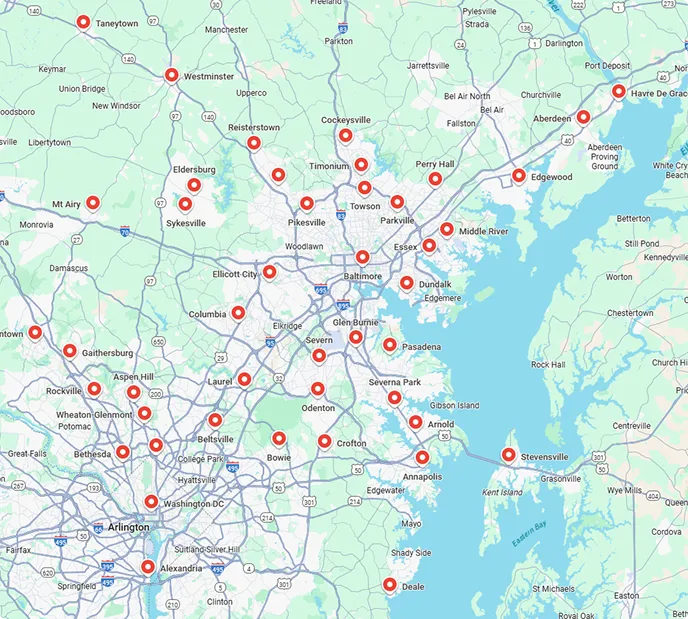
Service areas