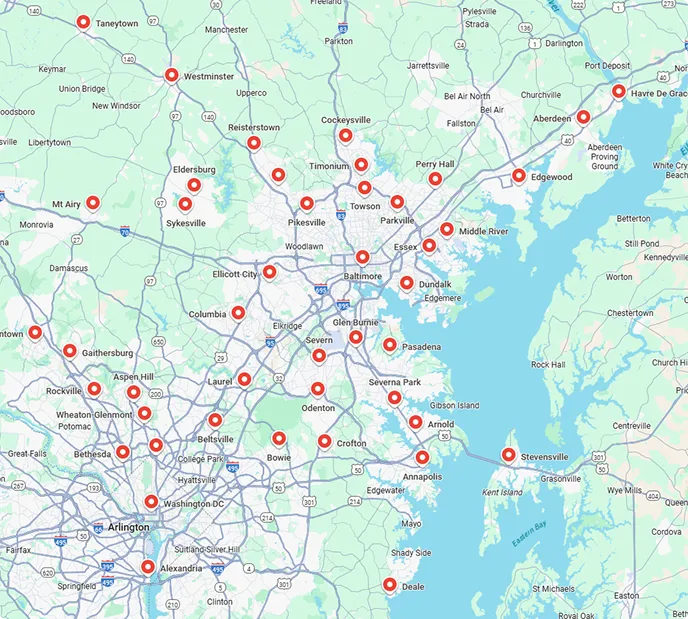


Sump Pumps in Sykesville, MD
Basement flooding is a clear and common risk for many Sykesville homes. Seasonal heavy rains, rapid snowmelt, and a moderately high water table mean reliable sump pump systems are essential for protecting finished basements, mechanical equipment, and stored belongings. Tario HVAC offers sump pump installation, replacement, and repair services tailored specifically to Sykesville properties. We'll describe system components, outline effective basement flood prevention strategies, and provide testing, maintenance, sizing, and emergency guidance so you can make truly informed decisions when your basement is at risk.
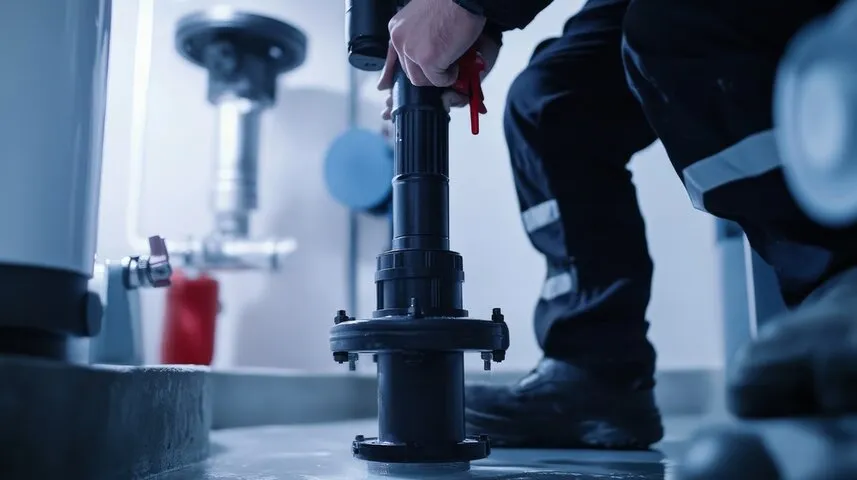
Why a proper Sump Pump matters in Sykesville, MD
Sykesville sees concentrated rain events in spring and summer, occasional nor easters in fall and winter, and fast thaw conditions that increase groundwater and runoff into foundations. Older homes and neighborhoods with clay soils or poor surface drainage are especially vulnerable. A correctly sized and maintained sump pump system prevents water intrusion, reduces mold risk, and protects the value of your home.
Common sump pump types and components
Understanding the parts of a system helps you compare installation and repair options.
- Primary pump: Usually submersible or pedestal style. Submersible pumps sit in the basin and are quieter and more powerful. Pedestal pumps have the motor above the pit and are easier to service.
- Basin or pit: The recessed sump basin collects water from perimeter drains and footing tiles. Proper pit sizing prevents frequent cycling.
- Float switch: Activates the pump when water reaches a set level. Types include tethered floats and vertical floats.
- Check valve: Prevents pumped water from flowing back into the basin and causing repeated starts.
- Discharge line: Carries water away from the house, typically to a storm drain, dry well, or down slope at least several feet from the foundation in accordance with local code.
- Battery backup: Ensures operation during power outages common in severe storms. Includes dedicated battery systems or battery-powered auxiliary pumps.
- Alarm system: Alerts you if water reaches a critical level or if the pump fails to run.
Typical services: installation, replacement, repair
- Installation: Site evaluation includes pit location, discharge routing, and electrical access. Professionals size the pump to handle expected inflow and head height, install appropriate check valves and discharge piping, and ensure code compliance for discharge location.
- Replacement: If a pump is old, inefficient, noisy, or prone to failures, replacement with a properly sized submersible unit and a modern backup system reduces long term risk.
- Repair: Common repairs include replacing floats or switches, fixing clogged or frozen discharge lines, servicing check valves, replacing bearings or impellers, and restoring failed electrical connections.
Diagnosing problems and signs of failure
Catch problems early by watching for these signs:
- Continuous running or short cycling: Could indicate an undersized pump, float obstruction, or groundwater inflow exceeding pump capacity.
- Strange noises or grinding: Worn bearings or debris in the pump housing.
- Persistent moisture, musty odors, or visible mold: Even intermittent failures can lead to damage over time.
- Tripped breakers or burned wiring smell: Electrical issues that require immediate attention.
- No response when the basin fills: Float switch failure, power loss, or motor burnout.
- Water backing into the sump after pump runs: Faulty or missing check valve.
Sizing guidance and model considerations
Sizing a sump pump is about matching flow rate and head height to your basement and local conditions:
- Calculate static head: measure vertical distance from pump pit water level to the highest point in the discharge line.
- Estimate required flow: consider square footage of the basement, soil type, and risk of concentrated runoff. For many Sykesville homes a residential pump in the 1/4 to 1/2 horsepower range is typical, but high inflow situations require higher capacity.
- Choose submersible vs pedestal: Submersible pumps are usually best for finished basements where noise and aesthetics matter. Pedestal pumps are service friendly for less finished spaces.
- Backup options: Battery backup units or secondary battery-powered pumps provide protection during power outages. For homes with frequent outages, consider a backup with deep cycle battery technology and a monitored alarm.
A qualified technician will perform a site-specific calculation and recommend a model and horsepower that provide reliable performance under Sykesville storm conditions.
Testing and maintenance schedule
Regular testing and preventative maintenance dramatically extend pump life and reduce flood risk.
- Monthly: Visually inspect the basin, run a manual test by pouring water into the pit until the pump cycles, check the float movement and listen for abnormal noises.
- Quarterly: Verify the discharge line is clear and not frozen or obstructed, and inspect exterior discharge away from the foundation.
- Annually: Professional inspection before the rainy season to check wiring, capacitors, impellers, and to confirm correct float and check valve operation.
- Battery maintenance: Test backup batteries monthly and replace every 3 to 5 years depending on type and usage patterns. Keep terminals clean and ensure a properly sized charger or control panel is installed.
Basement flood prevention strategies beyond the pump
A sump pump is one element of a comprehensive plan:
- Improve surface grading so water flows away from the foundation.
- Keep gutters and downspouts clear and extend downspouts away from the house.
- Install or maintain perimeter drain tiles and interior French drains that direct water to the sump.
- Seal foundation cracks and maintain window wells with covers to limit direct entry points.
- Consider a combination of a main pump, battery backup, and an alarm for layered protection.
Emergency response for heavy rain and power outages
During extreme events, quick, effective measures reduce damage:
- Portable pumps and wet vacs can remove standing water while awaiting repairs.
- Generators and dedicated circuits for sump pumps keep systems running during outages, but follow safe generator use and local code.
- A secondary battery backup pump offers redundancy when the primary pump cannot keep up with inflow or loses power.
- In a sudden failure, limit water sources that enter the basement, move valuables to higher ground, and ventilate to reduce moisture buildup after water removal.
Q: How often should I test my sump pump?
A: Test the pump monthly by pouring water into the pit until it activates. Listen for normal operation and confirm the float moves freely. Test backup batteries monthly and have an annual professional inspection before the wet season.
Q: What size pump does my Sykesville basement need?
A: Sizing depends on static head and expected inflow. Many homes use 1/4 to 1/2 horsepower residential pumps, but properties with heavy inflow or deep discharge runs may need higher capacity. A site specific calculation by a technician is recommended.
Q: Do I need a battery backup?
A: Battery backup systems are highly recommended in Sykesville because storms that cause flooding often include power outages. Backups provide critical protection when grid power is lost.
Q: What are common emergency repairs during heavy rain?
A: Clearing clogged discharge lines, replacing failed floats or switches, installing or repairing check valves, and providing temporary dewatering with portable pumps are common emergency responses.
Q: How long do sump pumps and batteries last?
A: Well maintained pumps can last 7 to 10 years depending on use. Backup batteries typically last 3 to 5 years depending on battery type and how often they are cycled. Regular maintenance extends life and reliability.

Service areas