

Water Heater Repair in Pikesville, MD
A failing water heater disrupts daily life fast. Whether your home is suddenly without hot water, the temperature is inconsistent, or you see a leak, timely, accurate repairs from Tario HVAC protect your home and reduce long-term costs. In Pikesville, MD, seasonal cold snaps, higher winter hot water demand, and common mineral content in the local water supply can increase stress on water heaters. We'll explain how our professionals diagnose problems, the repair options for both tank and tankless systems, safety issues and replacement triggers, maintenance to avoid repeat failures, energy-efficiency considerations, warranty basics, and how to prepare for a prompt service visit.
.webp)
Common signs of water heater failure in Pikesville homes
- No hot water or a complete loss of heat. Often indicates a failed heating element, gas control valve, or ignition problem.
- Inconsistent temperatures. Fluctuating hot and cold cycles usually point to thermostat, element, or control issues.
- Visible leaks or puddles near the tank. Leaks from the tank itself or connected fittings can signal corrosion or failed valves.
- Rusty or discolored water. Corrosion inside the tank or a failing anode rod contaminates hot water.
- Unusual noises (rumbling, popping, banging). Sediment buildup on the tank bottom causes noise and reduces efficiency.
- Water that is too hot or scalding. Faulty thermostat or control malfunction increases scald risk.
- Frequent pilot outages or ignition failures on gas units. Could be a failing thermocouple, gas valve, or ignition module.
Diagnostic testing: what a technician checks
A methodical diagnostic avoids unnecessary parts replacement and targets the root cause.
- Visual and leak inspection: Check fittings, valves, tank condition, and signs of corrosion.
- Thermostat and temperature check: Verify setpoint and actual output temperature.
- Heating elements and continuity tests (electric tanks): Measure element resistance and circuit integrity.
- Pilot, ignition, and gas control testing (gas tanks and tankless): Inspect pilot assembly, thermocouple, gas valve, and ignition module.
- Pressure relief valve and drain testing: Confirm safe operation and check for clogs or leaks.
- Sediment assessment: Determine amount of scale and whether a flush or more aggressive cleaning is required.
- Heat exchanger inspection (tankless): Check for scale, flow issues, and sensor operation.
- Electrical and safety checks: Ensure proper grounding, breaker condition, and that controls are functioning within safety parameters.
Repair options for tank and tankless units
Tank systems:
- Replace faulty thermostats or heating elements.
- Repair or replace leaking valves and compromised fittings.
- Flush sediment buildup; replace sacrificial anode if corroded.
- Repair or replace gas control valves, thermocouples, and ignition components.
- Patch or replace minor leaks in external plumbing; note that tank leaks from the tank shell usually require replacement.
Tankless systems:
- Descale heat exchangers and clean inlet filters to restore flow and efficiency.
- Replace faulty sensors, igniters, or control boards.
- Repair or replace individual components such as flow sensors and gas modulators.
- Address combustion or venting issues that affect performance and safety.
Repair scope depends on age, component availability, and long-term reliability. In many cases, component replacement restores normal operation quickly; in others, persistent failures indicate replacement is more cost-effective.
Safety concerns and when replacement is recommended
Prioritize safety with any water heater issue.
- Immediate attention needed: active leaks, gas smell, electrical tripping, and signs of tank rupture or bulging.
- Replace rather than repair when: tank corrosion is widespread, there are repeated failures of major components, the unit is beyond its typical service life (older tanks and some tankless systems), or repair costs would exceed reasonable value compared to replacement.
- Gas units with combustion or venting problems require rapid evaluation to prevent carbon monoxide risk.
- Electrical units that repeatedly trip breakers or show exposed wiring need urgent shutdown and professional inspection.
Maintenance tips to prevent future problems
Routine maintenance extends service life and prevents emergency repairs.
- Flush the tank annually to remove sediment; in hard water areas consider twice-yearly flushing.
- Check and replace the sacrificial anode rod every few years to reduce corrosion.
- Test the temperature-pressure relief valve yearly.
- Set thermostat to 120 degrees Fahrenheit for safety and efficiency.
- Insulate accessible hot water pipes and consider an insulation blanket for older tanks.
- For tankless units, follow manufacturer descaling intervals based on water hardness.
- Keep vents and combustion air paths clear for gas units.
Energy-efficiency considerations
- Lower thermostat settings and proper insulation reduce energy use.
- Upgrading from an older tank to a modern high-efficiency tankless or heat pump water heater can significantly reduce energy consumption in many homes in Pikesville, especially where winter demand is high.
- Regular maintenance preserves efficiency: descaling and element replacement are cheaper than increased utility costs from a failing unit.
- When comparing options, consider usage patterns in your household, available space, and long-term energy savings against upfront investment.
Warranties and what to expect
- Manufacturer warranties typically cover major components for a set period; check the specific warranty for heat exchangers, tanks, and burners.
- Warranties often distinguish between parts and labor; retained service records and installation documentation help with claims.
- After repairs, request documentation of replaced parts and any remaining warranty coverage to protect your investment.
How to prepare and schedule timely repairs
- Prioritize emergencies: shut off water to the heater if you see a leak and turn off gas or electricity if you detect a gas smell or electrical faults.
- Gather key information before a service visit: unit brand, model, serial number, approximate age, last maintenance date, and a clear description of symptoms and when they began.
- Be prepared to describe household hot water usage patterns, recent changes to plumbing, or visible signs like discoloration or noise.
- During an evaluation expect a technician to perform diagnostic tests, explain findings, and provide a written repair plan with recommended options and any parts warranties.
Frequently asked questions
Q: How long will a typical diagnostic visit take?
A: Most diagnostics for residential water heaters take under two hours; more complex tankless heat exchanger inspections or extensive sediment buildup may require additional time.
Q: Can a leaking tank be repaired?
A: Leaks from fittings, valves, or external plumbing are often repairable. Leaks from the tank shell itself usually indicate internal corrosion and typically require replacement.
Q: How often should I flush my water heater in Pikesville?
A: For many Pikesville homes with mineral-rich water, an annual flush is the minimum; homes with harder water or heavy sediment may need flushing twice a year.
Q: When is it worth replacing a water heater instead of repairing it?
A: Consider replacement when the unit is near or past expected lifespan, when major components have failed repeatedly, when tank corrosion is evident, or when efficiency gains from a new unit justify the investment.
Q: Do repairs affect manufacturer warranties?
A: Using authorized parts and qualified technicians helps maintain warranty coverage. Keep service records and follow manufacturer maintenance guidelines to support any claims.
Q: What immediate steps should I take for a gas smell near the water heater?
A: If you smell gas, do not operate electrical switches or the heater. Ventilate the area if possible and seek immediate professional assistance; shutting off the gas supply at the meter may be appropriate if you are trained to do so safely.

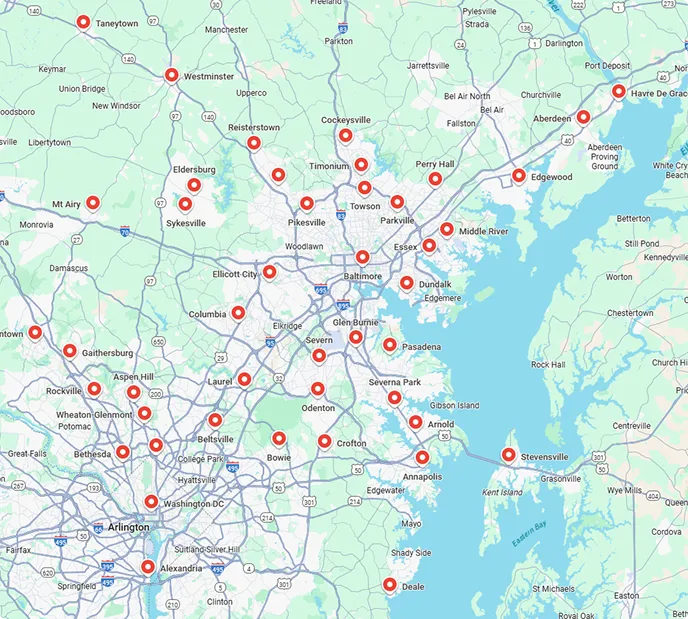
Service areas