

Sump Pumps in Pikesville, MD
Basement water intrusion is a common concern for Pikesville, MD homes. Seasonal heavy rains, occasional flash flooding, and high groundwater in low-lying areas mean an effective sump pump system is essential to protect finished basements, mechanical equipment, and stored belongings. Tario HVAC offers comprehensive sump pump installation, repair, and maintenance services. We'll show you how to choose the right primary and backup systems for Pikesville homes, discuss common failure modes and troubleshooting, outline preventative maintenance schedules, flood-prevention strategies, warranty considerations, and emergency response for sump failures.
Why a properly sized Sump Pump matters in Pikesville
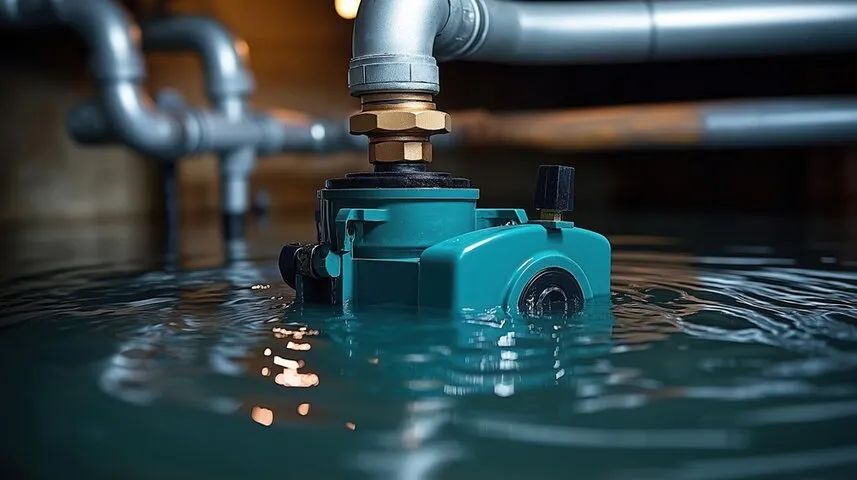
Pikesville’s climate leads to concentrated stormwater runoff during spring and summer storms. A correctly sized pump handles peak inflow without short-cycling, reduces motor wear, and improves reliability when heavy rains hit. Factors that affect sizing include the size of your basement or sump pit, expected inflow during storms, vertical lift (head) to the discharge point, and whether solids (sand, gravel) are present.
Common sump pump issues in Pikesville homes
- Power loss: Storms can cause outages that disable primary pumps without a backup.
- Float switch failure: Float tangles or sticks, preventing the pump from turning on.
- Clogged intake or discharge: Debris or sediment blocks the pump or outlet pipe.
- Failed check valve: Backflow can cause the pump to cycle excessively.
- Motor burnout or bearing wear: Age and frequent cycling shorten motor life.
- Frozen discharge lines in winter: Improperly routed or exposed lines can freeze and back up water.
Types of sump systems and backup options
- Submersible pumps: Installed inside the sump pit, quieter and suited for deeper pits or frequent use. Best for finished basements where noise matters.
- Pedestal pumps: Motor sits above the pit with a submerged intake. Easier to service and often used where pit depth is shallow.
- Battery backup systems: Standalone backup pumps powered by sealed lead-acid or AGM batteries that kick in during power loss. Good for short outages.
- Generator backup options: Whole-house or dedicated generator circuits can keep your primary electric pump running during extended outages. Requires safe transfer switches and proper ventilation for generators.
- Dual-pump configurations: A primary pump plus a secondary pump (either AC or battery-powered) provides redundancy during heavy inflow or primary pump failure.
- Water-powered backups: Use municipal water pressure to operate a backup pump where allowed and when water pressure is sufficient.
How to size and select the right pump
- Determine the sump pit dimensions and maximum inflow rate during heavy storms. For Pikesville properties, consider neighborhood drainage and roof/downspout capacity.
- Match pump capacity (GPM or gallons per hour at a given head) to your peak inflow and the lift required to discharge water to a safe location.
- Choose a pump with a solids-handling rating if your pit accumulates sand or debris.
- Look for durable construction (cast iron housing, stainless steel fasteners) for long-term reliability in Maryland’s variable conditions.
- For critical spaces or finished basements, prioritize quieter submersible models and consider redundancy with a battery backup or secondary pump.
Repair and troubleshooting — what to expect
A typical diagnostic process includes:
- Visual and manual inspection of the sump pit, float assembly, and discharge piping.
- Electrical checks for power at the outlet, wiring integrity, and condition of the control switches.
- Testing pump operation under load to confirm flow and head capacity.
- Inspecting check valves, piping joints, and exterior discharge routing.
- Common homeowner troubleshooting steps:
- Verify the outlet is powered and not tripped at the breaker.
- Clear visible debris from the pit and ensure the float moves freely.
- Inspect the discharge point for frozen or clogged pipes.
- If troubleshooting doesn’t restore operation, motor or switch replacement may be required.
Preventative maintenance schedule
- Monthly: Visual check of the sump pit and float movement; ensure discharge point is clear and draining away from the foundation.
- Quarterly/seasonal: Test the pump by adding water to the pit until it activates; inspect check valve for proper operation.
- Annually: Professional inspection to test motor performance, measure GPM at actual head, inspect wiring and outlet, and clean or replace worn parts.
- Battery backups: Inspect battery fluid-free batteries and terminals every 3-6 months; perform a full load test at least annually and replace batteries according to manufacturer recommendations.
Flood-prevention strategies for basements in Pikesville
- Ensure gutters and downspouts divert water at least several feet from the foundation and are free of debris.
- Improve grading around the home so water flows away from foundation walls.
- Install or maintain exterior drains and French drains where surface water concentrates.
- Seal small foundation cracks and install proper window well covers.
- Consider interior perimeter drainage tied to a sump pit for homes with persistent infiltration.
- Coordinate landscaping and tree placement to avoid roots compromising drains or foundation.
Warranties and expected lifecycle
- Manufacturer warranties typically cover pump motors and major components for a defined period. Read warranty terms for what is excluded (e.g., labor, improper installation).
- Service warranties for repairs often cover parts and labor for a limited period after work is completed; keep records of maintenance and repairs for warranty claims.
- Typical useful life for residential sump pumps is often 5 to 10 years depending on usage and maintenance; regular service extends life and preserves warranty coverage.
Emergency response for sump failures
Emergency response prioritizes stopping immediate water intrusion and stabilizing the situation. Common emergency measures include:
- Immediate assessment of groundwater and flow rate in the pit.
- Temporary pumping to remove excess water and prevent damage.
- Isolation and temporary repair of discharge lines or check valves.
- Deployment of a temporary backup pump or connection to a generator if power is out.
- Follow-up replacement or permanent repairs scheduled based on diagnostics.
Frequently the fastest way to limit damage is to control water flow away from finished areas and switch to a temporary pumping solution until full repairs or replacements are completed.
FAQs
Q: How often should I test my sump pump in Pikesville?
A: Test your pump monthly by pouring water into the pit until the pump activates, and perform a professional inspection annually.
Q: Is a battery backup enough for extended power outages?
A: Battery backups handle short outages and provide redundancy; for extended outages, a generator or a combination of battery and generator options offers the best protection.
Q: How do I know if my pump is the right size?
A: Right-sizing considers your pit size, expected inflow during storms, and vertical lift. A professional can measure head and flow requirements and recommend an appropriate GPM rating.
Q: What are the most common causes of sump pump failure?
A: Power loss, float switch problems, clogged intakes, failed check valves, and motor wear from frequent cycling are the most common causes.
Q: Will a sump pump prevent all basement flooding?
A: Sump pumps significantly reduce the risk of basement flooding but work best with proper exterior drainage, foundation sealing, and correctly sized, well-maintained systems.

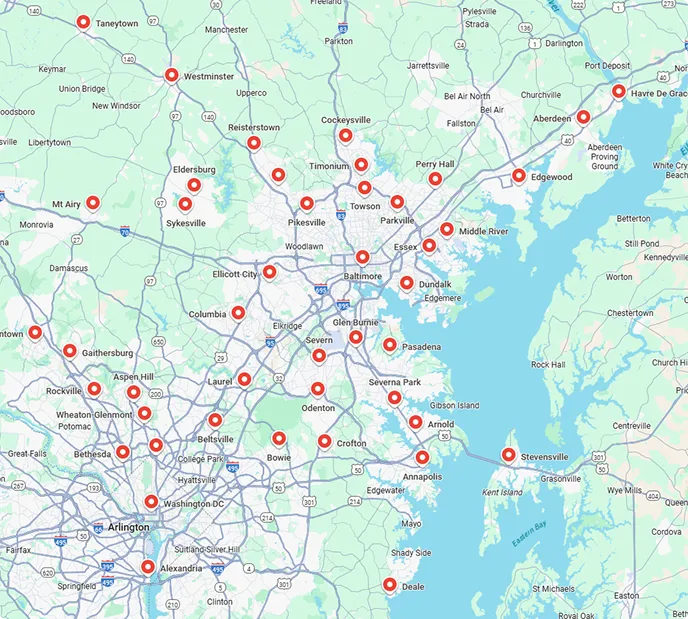
Service areas