

Water Heater Repair in Odenton, MD
Having reliable hot water is essential for comfort and daily routines in Odenton, MD. Whether you have an older tank-style unit or a newer electric model, timely water heater repair from Tario HVAC prevents property damage, restores comfort, and helps you avoid higher energy bills. We'll explain common symptoms Odenton homeowners see, how our technicians diagnose problems, typical repairs for gas and electric units, warranty and safety considerations, and guidance on when replacement makes more sense than repair.
.webp)
Why prompt Water heater repair matters in Odenton, MD
Odenton experiences cold winters that increase demand for hot water and can stress water heater components. Local water mineral content and sediment can accelerate wear in tank-style systems, causing reduced efficiency and premature failure. Fixing issues early avoids leaks, reduces energy waste, and maintains safe operation, especially for gas systems where combustion and ventilation must be correct.
Common water heater symptoms Odenton homeowners report
- No hot water or only lukewarm water: often due to failed heating elements, a tripped breaker, or gas ignition problems.
- Inconsistent temperatures: thermostats, dip switches, or mixing valves may be malfunctioning.
- Strange noises (popping, rumbling): mineral buildup and sediment in the tank causing uneven heating.
- Leaks at the tank, valves, or fittings: can signal corrosion, loose connections, or failed pressure relief valves.
- Discolored or rusty water: suggests internal corrosion or a failing anode rod.
- Smelly or metallic water: bacteria or chemical reactions with the anode rod or plumbing materials.
- Pilot light or ignition problems (gas units): issues with thermocouples, pilots, or gas supply/pressure.
Types of water heaters and typical issues
Gas water heaters
- Ignition failure, pilot light outages, burner problems.
- Corrosion of combustion chamber or venting issues.
- Gas valve and thermocouple malfunctions.
Electric water heaters
- Failed heating elements or thermostats.
- Tripped breakers, faulty wiring, or control board issues on newer models.
Tankless and hybrid systems (if present)
- Scale buildup on heat exchangers, flow sensor problems, or error codes from control modules. These systems often need different diagnostic steps and specialized repairs.
What a proper diagnostic process looks like
A professional repair begins with a systematic inspection:
- Visual check for leaks, corrosion, and condition of valves and fittings.
- Verify power or gas supply and check electrical connections, breakers, and pilot/ignition systems.
- Test thermostats, heating elements, burners, and pressure relief valve operation.
- Measure temperature rise and water flow to identify performance issues.
- Inspect the anode rod and tank interior (where accessible) for corrosion or excess sediment.
- Evaluate venting and combustion air for gas units to ensure safe operation.
This diagnostic process isolates root causes and informs whether a targeted repair or replacement is the most practical solution.
Common repairs and solutions
- Thermostat and heating element replacement for electric units to restore proper water temperature.
- Igniter, thermocouple, or gas-control valve repair for gas water heaters to resolve pilot or ignition failures.
- Sediment flushing and tank cleaning to reduce noises, improve efficiency, and extend tank life.
- Anode rod replacement to prevent internal tank corrosion.
- Pressure relief valve and drain valve replacement to stop leaks and restore safe pressure control.
- Leak containment and fitting repair when connections or external piping are the source.
- Vent and combustion inspection and repair to correct unsafe combustion conditions on gas units.
- Electronic control board diagnostics on newer or tankless systems, followed by targeted part replacement if needed.
Warranty and safety considerations
- Check the water heater manufacture warranty and any extended appliance protection before proceeding with major repairs. Replacing key sealed components under warranty may be required by the manufacturer to keep coverage valid.
- For gas units, safety checks of venting, carbon monoxide risks, and combustion efficiency are critical. Never ignore unusual odors or persistent pilot outages.
- After repairs, certified pressure and gas leak tests should be completed when applicable to ensure safe operation.
Repair versus replacement: what to consider
When deciding between repairing a unit and replacing it, evaluate:
- Unit age: tanks older than 8 to 12 years commonly face rust and internal failure. Tankless units have different lifespans but also age-related costs.
- Frequency and cost of previous repairs: repeated fixes often indicate underlying failure and make replacement more sensible.
- Efficiency gains: newer units can be significantly more energy efficient, which affects long-term operating costs.
- Extent of corrosion or tank damage: visible corrosion or internal rust usually means replacement is the safer choice.
- Warranty status: remaining manufacturer coverage may tip the decision toward repair if eligible.
Emergency repair options and homeowner safety steps
In an emergency situation such as active leaking, no hot water during a freezing stretch, or suspected gas smell:
- Turn off the water supply to the heater if safe to do so to limit flooding.
- For gas odors, turn off the gas supply at the meter or gas valve and leave the building until the area is ventilated. Do not operate electrical switches.
- For electrical concerns, shut off the breaker feeding the water heater.
- If there is water pooling near electrical components, avoid touching the unit and turn off house power with caution.
- Arrange for professional evaluation as soon as possible to address immediate hazards and make necessary repairs.
Maintenance to reduce future repairs
Regular maintenance extends service life and reduces emergency calls:
- Annual flushing to remove sediment in tank-style heaters.
- Inspect and replace anode rods every few years depending on water quality.
- Test pressure relief valve annually.
- For gas units, have combustion and venting checked periodically.
- Consider water conditioning if local mineral content is high to reduce scale.
Q: How quickly should a technician respond to a no hot water call in Odenton?
A: Response time varies, but urgent calls typically receive priority, especially in cold-weather periods. Initial safety steps you can take are shutting off power or gas and checking circuit breakers.
Q: Can sediment flushing fix noises and poor performance?
A: Yes. Flushing removes mineral buildup that causes popping or rumbling and restores heating efficiency, but severe corrosion or damage may still require replacement.
Q: When is replacement recommended instead of repair?
A: Replacement is recommended when the unit is near or past its typical lifespan, when corrosion is visible, when repairs are frequent, or when efficiency upgrades will deliver long-term savings.
Q: Are tankless units better for Odenton homes?
A: Tankless units offer on-demand hot water and higher efficiency but require correct sizing, possible gas line upgrades, and treatment for local water mineral content to prevent scale.
Q: What routine checks should homeowners perform?
A: Look for leaks, listen for unusual noises, check water temperature consistency, and verify pilot light or power indicators. Schedule professional maintenance annually.
This information is tailored to common water heater repair needs in Odenton, MD and helps you understand symptoms, repair options, safety factors, and when replacement may be the right choice.

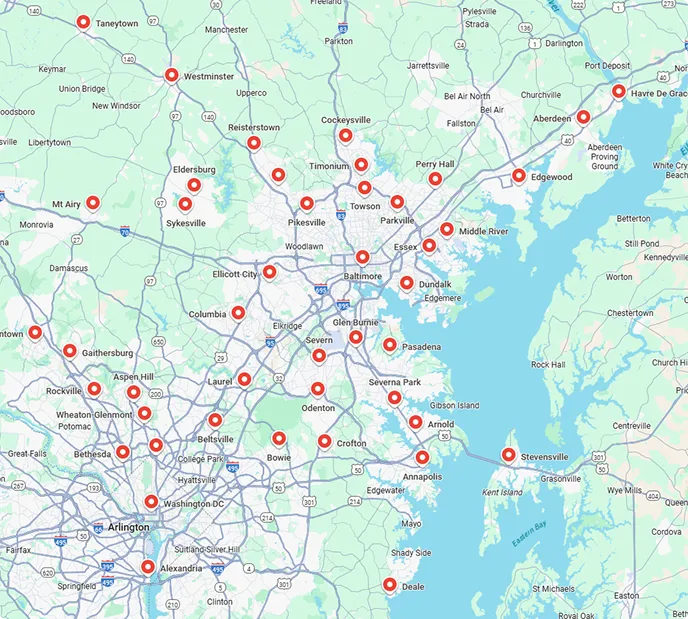
Service areas