

Tankless Water Heater Installation in Odenton, MD
Upgrading to a tankless water heater in Odenton, MD solves common frustrations like running out of hot water, high monthly energy bills, and bulky equipment that takes up valuable space. Tankless systems deliver hot water on demand, reduce standby energy loss, and can last longer than traditional tanks when sized and installed correctly. In Odenton homes, where cold winters and moderate to hard local water can affect performance, Tario HVAC ensures a properly planned tankless installation delivers reliable year-round hot water and measurable energy savings.
.webp)
Common Tankless Water Heater needs in Odenton, MD
- Replacing aging tank heaters that frequently run out of hot water
- Installing a high-efficiency system to lower utility costs
- Right-sizing for multi-bath or high-demand households
- Upgrading gas lines, venting, or electrical service to support tankless models
- Protecting outdoor or garage units from winter freeze and hard water scaling
Site assessment and sizing process
A thorough site assessment is the first step for any tankless water heater installation in Odenton, MD. Assessment includes:
- Recording peak hot water demand in gallons per minute (GPM) for fixtures likely to run simultaneously. Typical single-family homes need 6 to 9 GPM, while larger homes may require 9+ GPM or multiple units.
- Calculating temperature rise: subtract incoming ground water temperature from desired hot water temperature. Colder winter ground temperatures in Maryland increase the required output.
- Verifying fuel availability and capacity: natural gas, propane, or electric service must meet the unit s ratings.
- Inspecting venting paths, available wall or closet space, and accessibility for service.
- Evaluating water quality. Odenton s moderate to hard water increases the potential for mineral buildup, which influences appliance selection and maintenance planning.
Sizing correctly ensures the unit can sustain peak flow at the necessary temperature rise and avoids undersized systems that lead to intermittent hot water.
Gas vs electric tankless — which is right for your Odenton home
- Gas tankless units
- Pros: Higher maximum flow rates, better for whole-house applications and simultaneous showers; faster recovery in very cold weather.
- Cons: Require proper venting, combustion air, and sometimes a gas line upgrade; installation can be more complex.
- Electric tankless units
- Pros: Simpler installation when electrical capacity is sufficient; compact and often less expensive up front for smaller, point-of-use applications.
- Cons: High electrical demand may require a service panel upgrade; may be less efficient for whole-house use in colder climates.
In Odenton s colder months, gas units commonly perform better for whole-house demand, while electric units are often chosen for smaller or point-of-use needs.
Plumbing, venting, and electrical work required
- Plumbing: New isolation valves, pressure relief devices, appropriate fittings, and in some cases a recirculation loop or tempering valve are installed. Upgrades to accommodate higher flow or to install multiple units may be necessary.
- Venting: Gas units require venting tailored to the model. Non-condensing units typically need high-temperature metal venting; condensing units can use PVC venting but require proper condensate drainage. Vents must meet local code and be routed to minimize freezing and condensation issues in Maryland s climate.
- Electrical: Even gas tankless units need electrical power for controls and ignition. Electric tankless models often require dedicated high-amperage circuits or an electrical service upgrade to handle demand.
All work must meet local building and safety codes and be coordinated with permit and inspection requirements.
Permit, inspection, and compliance steps in Anne Arundel County
Installing a tankless water heater in Odenton typically requires a building or mechanical permit from the local jurisdiction (Anne Arundel County). Common steps:
- Submit permit application with equipment specifications and installation plans
- Schedule inspections for gas, plumbing, electrical, and final mechanical work
- Ensure venting and combustion clearances meet code and manufacturer requirements
Permit timelines and inspection scheduling can vary, so planning for the permitting process up front avoids delays.
Installation timeline you can expect
- Site assessment and estimate: 1 to 2 hours onsite
- Permitting period: often 1 to 3 weeks depending on the local review process
- Physical installation: 4 to 12 hours for most single-unit installations; complex jobs with gas line or electrical upgrades may require 1 to 2 days
- Inspection and final approval: scheduling varies, typically within a few days to two weeks after installation
Seasonal demand and permit workloads can influence total project duration.
Energy savings and upfront costs
- Energy savings: Tankless systems can reduce energy use by eliminating tank standby losses. Typical savings compared to older tank heaters range from about 15 percent to 35 percent depending on fuel type, household hot water use patterns, and whether whole-house or point-of-use units are installed. Gas condensing models offer the highest efficiencies.
- Upfront costs: Installed costs vary by model and scope. Electric point-of-use units may start lower, while whole-house gas condensing systems with new venting and gas line work can be a larger investment. Typical installed ranges:
- Electric whole-house: $1,500 to $4,000
- Gas whole-house: $2,500 to $6,000 or more when upgrades are requiredFactors that increase cost include gas line upgrades, venting through walls or roofs, electrical service upgrades, and mitigation for hard water.
Maintenance recommendations for Odenton homes
- Annual professional inspection and combustion check for gas units
- Flush the heat exchanger at least once a year in areas with moderate to hard water; more frequently if mineral buildup is significant
- Clean inlet water filters and screens every 6 to 12 months
- Inspect venting and condensate drains for blockages and freeze risk during winter months
- Consider a water softener or descaling routine if local water hardness is high to preserve efficiency and extend equipment life
Regular maintenance protects warranties and sustains energy savings for years.
Warranties and rebates
- Warranties typically vary by manufacturer: heat exchanger warranties commonly range from 5 to 15 years, with shorter parts and labor coverage for controls and components. Review manufacturer warranty terms for specific coverage details.
- Rebates and incentives: Federal, state, and local energy programs and certain utility companies periodically offer rebates or tax incentives for high-efficiency tankless water heaters. Availability varies, and eligibility may depend on model efficiency ratings and local program rules.
Tankless water heaters are a long-term investment that can reduce energy use, free up space, and provide continuous hot water when matched to your home s needs. In Odenton, careful sizing, attention to local weather and water quality, and proper permitting and maintenance are the keys to a successful installation and reliable performance.
Q: How do I know if a tankless water heater can meet my household s hot water demand?
A: Calculate peak simultaneous demand in GPM for showers, appliances, and fixtures, then match that to a unit s rated GPM at the temperature rise needed for Odenton s incoming water temperatures.
Q: Will I need a new gas line or electrical service upgrade?
A: Possibly. High-capacity gas units may require a larger gas line, and electric whole-house units often need multiple high-amperage circuits or a panel upgrade. A site assessment will confirm requirements.
Q: How often should a tankless unit be descaled in Odenton?
A: In Odenton s moderate to hard water conditions, plan on at least annual descaling; homes with harder water may need descaling every 6 months unless a water softening solution is installed.
Q: What is the typical lifespan of a tankless water heater?
A: With proper installation and maintenance, tankless systems commonly last 15 to 25 years, which is longer than most tank-style heaters.
Q: Are there special winter considerations for outdoor or garage-mounted units?
A: Yes. Condensate lines, external vents, and exterior-mounted units require freeze protection and proper insulation to prevent damage during cold Maryland winters.
Q: Do condensing gas units require different venting than non-condensing units?
A: Yes. Condensing units operate at lower exhaust temperatures and typically use PVC or special venting and require a condensate drain; non-condensing units require high-temperature metal venting.
Q: Can I expect immediate energy savings after installation?
A: Savings depend on prior system efficiency, household usage patterns, and proper sizing. Most homeowners see incremental savings after installation, with larger gains for households with frequent hot water usage or older, inefficient tank systems.

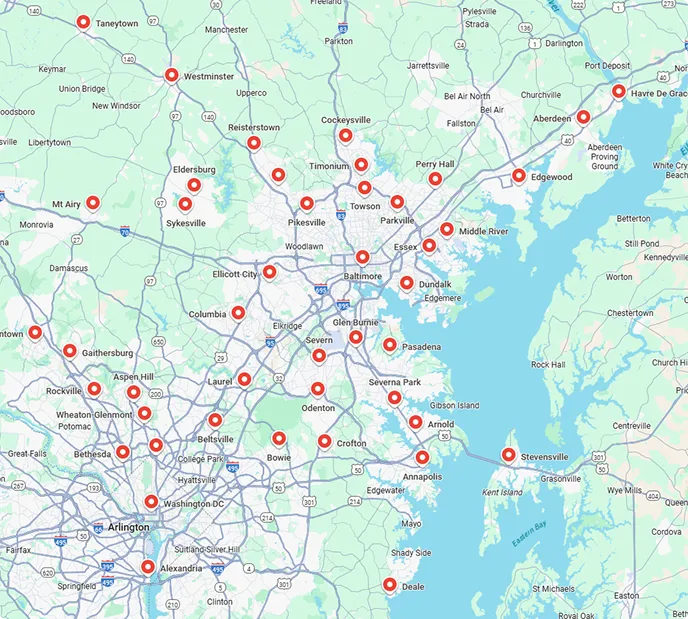
Service areas