



Sump Pumps in Odenton, MD
A reliable sump pump is one of the most effective defenses against basement flooding and water damage in Odenton, MD. Given our Mid-Atlantic climate, heavy seasonal rains, and spring snowmelt, homes in Odenton face an elevated risk of seepage. Tario HVAC provides expert sump pump installation, replacement, maintenance, and emergency solutions, covering primary and backup systems, basin preparation, float switches, alarm systems, and options for recurring basement flooding.
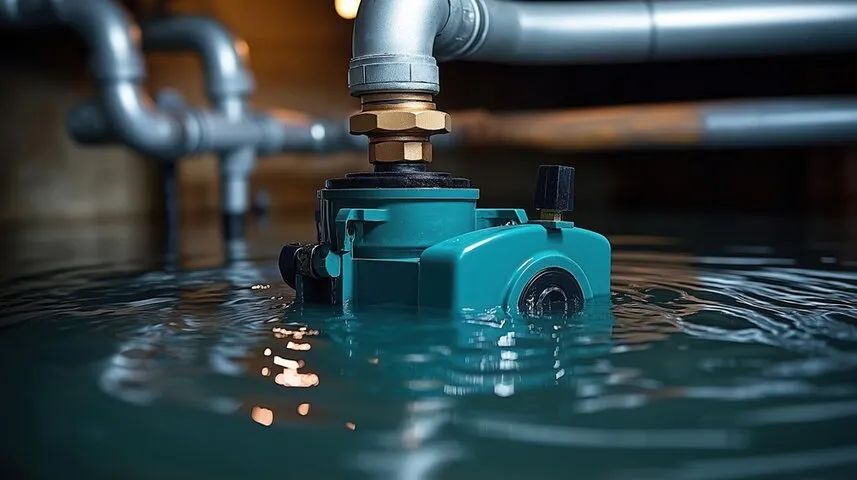
Why a proper Sump Pump matters in Odenton, MD
Odenton homes often sit on soils and groundwater tables affected by rainfall patterns and nearby waterways. A correctly sized and installed sump pump:
- Prevents water intrusion and mold growth
- Protects stored items, mechanical systems, and structural components
- Reduces long-term repair and insurance risks
- Understanding local water behavior helps determine the right system—single primary pumps may suffice for low-risk sites, while homes with history of flooding or high water tables benefit from primary plus backup systems.
Common sump pump issues in Odenton
- Float switch failure or misalignment, preventing activation
- Clogged intake screens or discharge lines from sediment, roots, or debris
- Failed check valve causing water to flow back into the pit
- Pump motor burnout after prolonged runs during heavy storms
- Frozen or improperly insulated discharge lines in winter months
- Battery backup depletion or improper installation of water-powered backupsRecognizing these problems early reduces the chance of catastrophic basement flooding during seasonal storms.
Service types: installation, replacement, and upgrades
- Sump pump installation: sizing the right pump (flow rate and head height), selecting submersible vs pedestal styles, determining optimal pit location, and installing discharge piping with proper slope and termination away from the foundation.
- Replacement: removing worn or inefficient units, upgrading to higher-capacity motors, or replacing older pedestal pumps with modern submersible units for quieter operation and better protection.
- Backup systems: battery backups provide power during grid outages and allow continued operation during storms; water-powered backups offer an alternative that does not rely on electricity but require adequate municipal water pressure.
- Alarm and smart monitoring installations: high-water alarms, battery health monitors, and smart sensors that send alerts can provide early warning before damage occurs.
Basin preparation and installation checklist
A durable sump basin and installation are the foundation of a long-lasting system. Key steps:
- Excavate and place a basin sized for the pump and expected inflow volume
- Create a stable, level base with gravel to prevent settling
- Install a screened inlet to reduce sediment ingestion
- Position float switch for unobstructed movement and correct activation point
- Install a vertical discharge pipe with a properly placed check valve near the pump outlet
- Route discharge piping downhill and terminate it to prevent return flow or foundation saturationProper basin preparation is especially important in Odenton where heavy runoff can deliver higher sediment loads during storms.
Float switches, check valves, and alarm systems
- Float switches: test for full range of motion and ensure they are not rubbing against the basin wall. Consider tethered floats or vertical floats based on pit geometry.
- Check valves: install a quality check valve on the discharge line to prevent backflow; check for wear and replace if the valve sticks or leaks.
- Alarm systems: high-water alarms provide audible alerts and can be integrated with battery backup. Smart options can push notifications to phones for remote monitoring during storms or outages.
Testing and seasonal maintenance
Regular testing and preventive maintenance are essential, especially before Odenton’s wet seasons:
- Monthly: pour water into the pit to confirm pump activation, check discharge for free flow, listen for unusual noises, and verify alarm operation.
- Quarterly or biannually: inspect the check valve, clean pump intake screens, and clear debris from discharge lines.
- Fall/winter prep: insulate or heat-tape exposed discharge pipes and ensure termination points are free of ice blockage.
- Battery backup: check charge and connections monthly; replace batteries per manufacturer recommendations to ensure reliable operation during outages.
Solutions for recurring basement flooding
If flooding recurs despite a functioning pump, investigate these common underlying causes and remedies:
- Inadequate pump capacity: upgrade to a higher-flow model or add a secondary pump to handle peak inflow.
- Poor perimeter drainage: install or repair exterior drains, extend downspouts, and regrade landscaping to divert water away from the foundation.
- High water table: combine a larger sump pit, dual-pump systems, and backup power; consider interior perimeter drains tied into the sump pit.
- Sump pit location or construction issues: relocate or enlarge the pit to capture water effectively from problem areas.
- Addressing the root cause often prevents repeated emergencies and reduces pump wear.
Expected lifespans and emergency replacement options
- Typical lifespans: modern submersible sump pumps usually last 5 to 10 years depending on use and maintenance; pedestal pumps may vary. Battery systems typically require battery replacement every few years, and water-powered backups have long service lives but need adequate supply pressure.
- Emergency replacement strategies: if a pump fails during a storm, temporary measures include portable utility pumps or activating a battery backup if available. For longer outages, water-powered backups can provide interim protection where municipal pressure allows. Rapid replacement focuses on getting a correctly sized, compatible unit installed and verifying basin and discharge integrity.
Long-term benefits and maintenance best practices
Consistent maintenance extends pump life and protects your home:
- Establish a seasonal maintenance schedule aligned with Odenton’s rainy and cold seasons
- Keep discharge outlets clear and directed away from foundations and neighboring properties
- Test alarms and backups regularly and replace batteries on schedule
- Consider redundancy (secondary pump or backup power) for homes with frequent or high-risk water events
- A well-maintained sump system reduces stress, prevents property loss, and supports a healthy, dry basement environment.
Q: How often should I test my sump pump in Odenton, MD?
A: Test your pump monthly by adding water to the pit until the float rises and the pump runs. Inspect discharge flow and listen for abnormal noises. Perform a more thorough inspection quarterly.
Q: Should I choose a battery or water-powered backup for my home?
A: Battery backups provide reliable protection during power outages and are easier to install; they require battery maintenance and periodic replacement. Water-powered backups do not rely on electricity but need sufficient municipal water pressure and will increase your water usage. Choose based on outage risk, water pressure availability, and maintenance preferences.
Q: What are signs my sump pump needs replacement?
A: Frequent cycling, persistent motor noise, failure to start, visible rust or corrosion, and inability to keep up during heavy inflow are common indicators that replacement is necessary.
Q: Can a sump pump prevent all basement flooding?
A: A properly sized and installed sump pump greatly reduces flooding risk, but it works best as part of a comprehensive plan that includes good exterior drainage, proper grading, and preventive maintenance. Homes with very high water tables or severe exterior issues may need additional measures.

Service areas
