

Water Heater Repair in Aspen Hill, MD
A reliable water heater is essential for comfort and daily routines in Aspen Hill homes. Cold winters, seasonal hard water, and varying household demand make timely water heater repair critical. Whether you're experiencing no hot water, inconsistent temperatures, leaks, or strange noises, Tario HVAC is here to help. We'll help you understand common problems, guide you through diagnostic steps, explore repair options, and discuss long-term choices to help you make confident decisions that restore hot water fast and protect your home.
.webp)
Common Water Heater problems in Aspen Hill, MD
- No hot water: Often caused by power or gas supply issues, failed thermostats, heating element failure, or ignition problems on gas units.
- Inconsistent temperature: Fluctuating output can indicate faulty thermostats, mineral buildup on elements, or a failing dip tube.
- Leaks: Leaks at fittings, valves, or the tank itself. External valve or connection leaks are repairable; a leaking tank usually means replacement.
- Strange noises: Popping or rumbling usually means sediment buildup in the tank which reduces efficiency and can damage components.
- Pilot or ignition issues: Gas units may have pilot light, thermocouple, or electronic ignition failures that prevent the burner from firing.
Local factors like seasonal temperature swings and moderately hard water in Montgomery County increase mineral buildup and corrosion risk. That makes regular diagnostics and maintenance more important for Aspen Hill households.
Diagnostic tests and safety checks
Effective repair begins with systematic diagnosis and safety checks:
- Visual inspection: Look for corrosion, drips, loose fittings, and signs of combustion problems on gas units.
- Power and fuel checks: Verify circuit breakers, fuses, gas shutoff valve position, and thermostat settings.
- Thermostat and element testing: Use a multimeter to check continuity on thermostats and heating elements (electric models).
- Anode rod and sediment inspection: Drain a sample to check sediment level and inspect the anode rod for corrosion.
- Pressure relief valve test: Manually lift the T&P valve to ensure it discharges and reseats properly.
- Combustion and venting checks (gas units): Inspect burner, pilot assembly, flue, and venting for proper draft and soot buildup.
- Leak source identification: Trace dripping to fittings, valves, or tank seam to determine repairability.
Safety checks include testing for gas leaks (smell or soapy water check on fittings), ensuring electrical power is off before element work, and confirming the T&P valve and pressure settings are within safe limits.
Repair services offered and typical fixes
Common repairs you can expect:
- Thermostat replacement or recalibration on electric and gas control valves.
- Heating element replacement for electric tanks.
- Valve repairs or replacements: drain valve, T&P valve, mixing valves, and expansion tank servicing.
- Pilot, thermocouple, and ignition assembly repairs for gas units.
- Anode rod replacement to slow corrosion and extend tank life.
- Sediment removal and tank flushing to restore efficiency and reduce noise.
- Dip tube replacement to correct cold water inlet issues and improve hot water delivery.
- Minor tank patching or flange gasket replacement (note: most internal tank leaks require replacement rather than repair).
- Burner cleaning and combustion adjustments for gas appliances.
Repair selection depends on diagnosis. Some issues (electrical components, valves, heating elements) are straightforward and commonly completed in a single visit. Tank breaches or severe corrosion often make replacement the safer, more economical choice.
Expected repair times and cost factors
- Small repairs (thermostat, element, valve) typically take 30 to 90 minutes.
- Moderate repairs (ignition assemblies, anode rod, sediment removal) generally require 1 to 3 hours.
- Unit replacement or extensive tank work can take 4 to 8 hours depending on access, venting, and piping changes.Cost factors that affect repair estimates:
- Unit age and condition: Older tanks may have compounded issues and harder-to-find parts.
- Fuel type: Gas vs electric parts and labor differ.
- Accessibility: Tight closets, attic or crawlspace installations increase time and labor.
- Parts availability: Same-day service depends on parts in stock.
- Extent of damage: Tank leaks, severe corrosion, or venting problems raise costs.
- Local codes and permit requirements for replacement or gas work.
Replacement and upgrade options (energy-efficient focus)
When repairs are frequent or the tank is near end of life, consider replacement and upgrades:
- High-efficiency tank models: Better insulation and modern controls reduce standby loss.
- Tankless (on-demand) water heaters: Provide continuous hot water and smaller footprint; performance depends on proper sizing and gas/electrical capacity.
- Heat pump (hybrid) water heaters: Significantly more efficient in moderate climates; best where space and ambient air allow.
- Condensing gas heaters: Higher efficiency for gas-fired systems with proper venting.
- Point-of-use mini-tanks: Useful for long runs or localized demand.
In Aspen Hill, choosing energy-efficient models can yield notable savings in both winter heating months and year-round. Local utility programs and incentives may exist for qualifying high-efficiency installations; factor potential incentives and long-term operating costs into replacement decisions. Proper sizing based on household hot water demand is critical to avoid performance issues.
Maintenance plans to extend heater life
Regular maintenance extends service life and reduces emergency repairs:
- Annual inspection and tune-up: Check combustion, electrical connections, controls, and safety devices.
- Yearly tank flush: Removes sediment that causes noise, inefficiency, and premature failure—especially important with Aspen Hill water hardness.
- Anode rod inspection every 1 to 3 years: Replace as needed to protect the tank interior.
- T&P valve exercise and inspection annually.
- Check for slow leaks and corrosion at fittings during seasonal checks.
- Consider a water softener or targeted filtration if hardness is accelerating scale buildup.
A simple maintenance routine can add several years to a water heater’s life and improve energy efficiency.
Emergency hot water restoration and scheduling guidance
Immediate homeowner checks for loss of hot water:
- Electric: Check the circuit breaker and reset if tripped. Verify thermostat settings.
- Gas: Confirm the gas valve is open and check for pilot light issues; only attempt to relight following the manufacturer’s labeled instructions and common-sense gas safety. If you smell gas, evacuate and notify your gas utility immediately.
- Temporary remedies: Flushing a few gallons to remove a clog or bleeding a mixing valve can sometimes restore service briefly, but avoid complex attempts that risk safety.
For situations that require professional attention (gas leaks, persistent no-heat, active tank leak), prioritize safe handling and professional scheduling based on urgency. Winter months tend to increase demand and timing sensitivity, so timely diagnosis reduces the chance of cold showers and further damage.
Q: How long will a typical water heater repair take?
A: Small component repairs can take 30 to 90 minutes; more involved repairs 1 to 3 hours; full replacements typically take 4 to 8 hours depending on access and complexity.
Q: Can a leaking water heater tank be repaired?
A: Most internal tank leaks are not repairable and require replacement. Leaks at valves, fittings, or flanges can often be repaired.
Q: How often should I flush my water heater in Aspen Hill?
A: In areas with moderate to hard water like Aspen Hill, annual flushing is recommended. More frequent flushing may be needed if you notice noise or reduced efficiency.
Q: What are energy-efficient replacement options for my home?
A: Options include high-efficiency tank models, tankless on-demand systems, heat pump (hybrid) water heaters, and condensing gas units. Proper sizing and installation are essential for achieving expected savings.
Q: What should I check before calling for emergency service?
A: For safety, check breakers and fuel supply first. If you suspect a gas leak or see active tank leakage, evacuate and contact the proper authorities. Avoid electrical work or gas relighting unless you are confident and follow manufacturer safety steps.

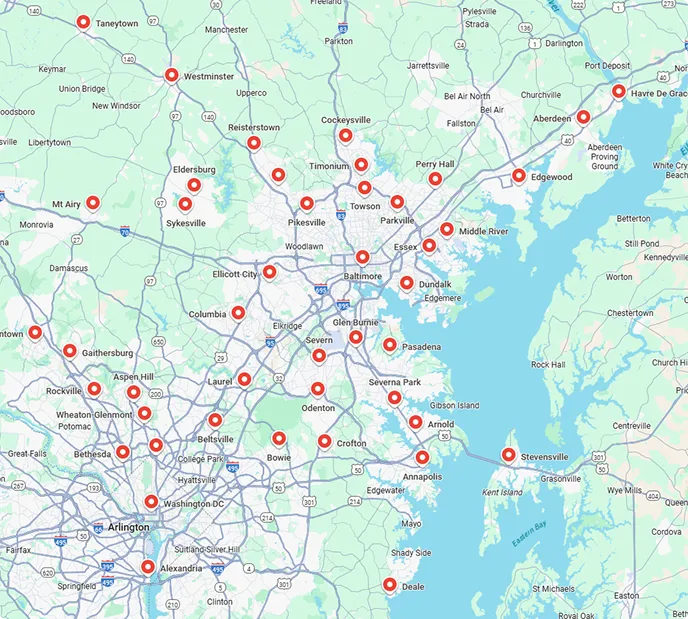
Service areas