



Sump Pumps in Aspen Hill, MD
To safeguard your Aspen Hill, MD home from basement flooding, water intrusion, and lasting moisture damage, installing, repairing, or maintaining a reliable sump pump is incredibly effective. Given that Aspen Hill is in a region that experiences heavy seasonal rains, spring melt, and areas with a relatively high water table, homeowners here frequently encounter similar water-management challenges. **Tario HVAC** provides local sump pump services—including installation, replacement, repair, and maintenance—and is here to help you understand various system types, backup options, inspection procedures, common problems, and important warranty considerations.
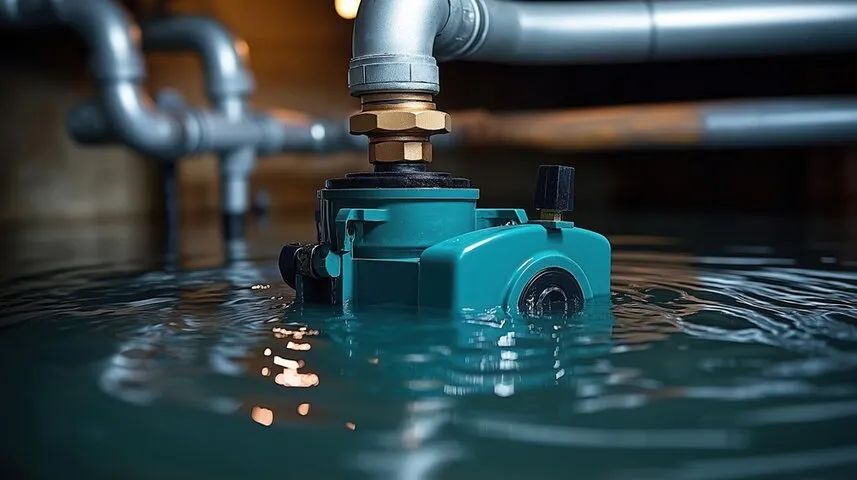
Why Aspen Hill Homes need a Sump Pump
- Repeated heavy rains and storm events can overwhelm grading and drainage, sending water toward foundations.
- Many older homes in the area have basements or crawl spaces susceptible to seepage.
- A high or fluctuating water table in parts of Montgomery County increases risk during spring thaw and prolonged wet periods.
A properly installed sump pump reduces the risk of costly water damage, mold growth, and structural issues by moving groundwater away from your foundation before it becomes a problem.
Common sump pump services in Aspen Hill, MD
- Sump pump installation: New installations include pit preparation, pump selection (submersible or pedestal), discharge piping, check valve installation, and electrical hookup to meet local code.
- Replacement and upgrades: Swap outdated units for modern, efficient pumps or add a backup system to improve reliability during power outages.
- Repairs: Fix failures caused by clogging, float switch problems, motor issues, or electrical faults.
- Preventive maintenance: Regular inspections, cleaning the sump pit, testing the float and backup systems, and verifying discharge performance.
- System evaluations: Assess basement drainage, pit condition, and pump sizing to recommend the best long-term solution.
Types of pumps and backup systems
- Submersible pumps: Installed inside the pit, quieter and usually more powerful for continuous use. Well suited for finished basements common in Aspen Hill.
- Pedestal pumps: Motor positioned above the pit for easier access and often longer motor life in low-use situations. Good for infrequent pumping needs.
- Battery backup systems: Provide power when the grid is down. Batteries require periodic testing and replacement to remain effective.
- Water-powered backup pumps: Use municipal water pressure to operate when electricity fails. They require a reliable water supply and proper installation to meet local regulations.
- Dual-pump systems: Primary plus secondary pump for redundancy during extreme events or when the primary fails. This option provides the highest reliability.
Inspection and testing procedures
A thorough inspection looks beyond visual checks to confirm performance:
- Inspect the sump pit for debris, sediment buildup, and proper sizing.
- Test the float and switch by manually raising and lowering the float to simulate rising water.
- Run the pump to verify it activates, pumps clearly, and discharges away from the foundation.
- Check the check valve to prevent backflow and confirm the discharge line is clear and sloped correctly.
- Test any battery backup by simulating a power outage and confirming the backup engages.
- Listen for unusual noises and observe for excessive cycling or long run times that suggest an undersized pump or drainage problem.
Recommended maintenance schedule
- Monthly: Visual check of the pit, clear obvious debris, and ensure the float moves freely.
- Every 3-6 months: Run a full test of the pump and backup system, inspect the discharge line, and confirm alarms work.
- Annually: Professional inspection to evaluate motor condition, electrical connections, and overall system performance; schedule before the wetter seasons.
- Replacement planning: Expect pumps to eventually wear out; plan for evaluation and potential replacement when a pump shows signs of motor strain, frequent failures, or when it approaches the end of its expected service life.
Troubleshooting common problems
- Pump runs continuously: Often caused by a high water table, undersized pump, or a float stuck in the “on” position. Check for debris and confirm the pump is sized for the job.
- Pump does not start: Could be electrical (tripped breaker, wiring), a failed motor, or a faulty float switch. Verify power first, then inspect components.
- Rapid cycling on and off: Usually from an oversized pit with improper float positioning or check valve issues. Adjust float or add a control switch to reduce cycling.
- Clogged discharge or frozen line in winter: Clear clogs and insulate or re-route discharge to prevent freezing.
- Noisy operation: Debris in impeller, worn bearings, or motor stress can cause noise. A professional inspection can diagnose and resolve mechanical causes.
Typical costs and warranty considerations
Costs vary based on pump type, complexity of installation, condition of the sump pit, need for electrical work or permits, and whether a backup system is included. Factors that commonly increase cost include difficult access, replacement of old piping, and required grading or drainage modifications.
Warranties differ by manufacturer and installer. Manufacturer warranties typically cover defects in parts and motors for a limited period, and backup systems often carry their own coverage. Professional installers may offer a limited workmanship warranty for installation services. Keep documentation and register equipment with manufacturers to preserve warranty rights.
Benefits of timely service and long-term care
Investing in proper installation, regular maintenance, and a reliable backup system reduces the chance of disruptive, costly water damage. Routine inspections extend equipment life, improve efficiency, and ensure the system is ready when a storm or power outage occurs. For Aspen Hill homeowners, staying proactive helps protect finished basements, personal property, and the home’s structural integrity against the area’s seasonal water challenges.
FAQ
Q: Do I need a sump pump in Aspen Hill, MD?
A: If your home has a basement or crawl space with a history of seepage, is in a low-lying area, or sits on a high water table, a sump pump is a reliable method to manage groundwater and reduce the risk of flooding.
Q: What is the best type of sump pump for a finished basement?
A: Submersible pumps are typically preferred for finished basements because they are quieter and provide robust pumping capacity, but final choice depends on pit size, expected water volume, and access.
Q: How often should a battery backup be replaced or tested?
A: Backups should be tested regularly, and batteries replaced according to the manufacturer’s recommendations; regular testing will alert you when replacement is needed.
Q: Can I perform sump pump maintenance myself?
A: Basic tasks like clearing debris, testing the float, and running the pump can be done by homeowners, but annual professional inspections are recommended to evaluate motor health, wiring, and overall system reliability.
Q: Will a sump pump eliminate all basement water issues?
A: A sump pump significantly reduces the risk of groundwater intrusion but works best as part of a complete drainage strategy that may include grading, gutters, and proper landscaping to divert surface water away from the foundation.

Service areas
