

Tankless Water Heater Installation in Aspen Hill, MD
Choosing a tankless water heater for your Aspen Hill, MD home delivers on-demand hot water, lower standby energy loss, and a smaller footprint than traditional tank systems. For homeowners facing rising energy costs, inconsistent hot water during cold months, or limited utility room space, a properly sized and professionally installed tankless system by Tario HVAC can be a long term solution. Here, we'll explain what to expect from a tankless water heater installation in Aspen Hill, common local considerations, the step by step professional process, timelines, code requirements, savings comparisons, warranty and maintenance expectations, and available financing and rebate pathways.
.webp)
Why Tankless makes sense in Aspen Hill homes
- Energy efficiency: Tankless units heat water only when you need it, reducing standby losses that are common with tank heaters. Homes with moderate to high hot water demand see the greatest gains.
- Space savings: Wall mounted units free up basement or utility room space in townhomes and single family homes common to the Aspen Hill area.
- Longer equipment life: Tankless systems often last longer than tank heaters when maintained correctly.
- Better performance in winter depends on proper sizing: Cold winter groundwater and lower incoming water temperatures in Montgomery County increase required temperature rise. Proper sizing during the assessment phase is essential to avoid dips in flow and temperature.
Common tankless water heater issues in Aspen Hill
- Undersized unit leading to low flow or lukewarm showers during peak demand
- Incompatible or undersized gas line or electrical service
- Poor vent routing or incorrect vent materials for condensing units
- Mineral buildup in areas with hard water causing reduced efficiency and premature failure
- Missing or outdated permits and noncompliant installations that later cause inspection issues
Site assessment and sizing process
A professional installation begins with a comprehensive site assessment that includes:
- Calculating peak demand: Determine the combined flow rate of fixtures used simultaneously to establish required gallons per minute GPM
- Determining temperature rise: Measure incoming water temperature in winter to calculate the degrees the unit must heat water, which affects required BTU or kW capacity
- Utility capacity check: Confirm gas meter size and available pressure for gas units or verify electrical panel capacity and whether 240 volt service or a new breaker is needed for electric models
- Vent path evaluation: Identify a safe, code compliant vent route to the exterior for combustion air and exhaust, or plan for PVC/condensing venting where allowed
- Water quality review: Test for hardness and sediment and recommend a scale prevention solution if needed
Sizing examples commonly used:
- Single sink or point of use: 0.5 to 2.5 GPM
- One shower plus dishwasher: 4 to 6 GPM
- Whole house with multiple showers: 7 to 11 plus GPM depending on fixtures and simultaneous use
Professional installation steps
- Pre-install planning: Finalize unit model based on assessment, order compatible venting materials, and ensure permits are in place
- Removal and prep: Remove old water heater and prepare mounting location and structural supports if installing wall mounted unit
- Gas work for gas units: Upgrade or install gas line sized for BTU demand, verify gas pressure, install shutoff and sediment trap where required
- Electrical work for electric units: Install dedicated breakers, correct wiring and grounding following local code
- Venting and combustion air: Install manufacturer approved venting system, including condensate drains for condensing units and proper clearances at terminations
- Piping and connections: Use approved materials for hot and cold lines, install pressure relief valve and expansion tank if required, and add any recirculation loop or tempering valves
- Commissioning: Leak test plumbing, test gas connections, program unit for local temperature preferences, and run system through flow tests to confirm performance
- Final inspection readiness: Prepare documentation and product manuals for municipal inspection
Permits and code compliance
Montgomery County and local jurisdictions require permits for replacements that involve gas, plumbing, mechanical, or electrical changes. Proper permits ensure:
- All gas work meets code and pressure tests are documented
- Venting meets local mechanical code
- Electrical changes meet NEC requirements
- Inspections are typically required at rough-in and final stages. Working with a licensed installer familiar with Montgomery County codes reduces delays and risk of failed inspections.
Expected installation timelines
- Like-for-like swap: 4 to 8 hours typically completes installation
- Upgrades requiring gas line, electrical service, or new venting: 1 to 2 days
- Complex retrofits with structural or extensive utility upgrades: 2 to 3 days
- Timelines vary by scope, permitting turnaround, and availability of specialty parts.
Energy savings and cost comparisons
Tankless systems eliminate tank standby losses and can reduce water heating energy use significantly, particularly for households that do not demand continuous high flow. Typical benefits:
- Energy savings depend on fuel type, household usage patterns, and incoming water temperature
- Gas tankless units are often more cost effective in homes with high hot water demand and existing gas service
- Electric tankless can make sense where electric rates and panel capacity are favorable
- Long term savings depend on installation cost, local fuel prices, and maintenance.
- Calculate payback using your household hot water usage pattern and local utility rates.
Warranties and maintenance
- Manufacturer warranties vary by model and typically range from 5 to 15 years on heat exchangers with shorter coverage on parts
- Installers often provide a labor warranty for a defined period
- Routine maintenance preserves efficiency and warranty validity:
- Annual descaling or flush in hard water areas
- Cleaning inlet filters and checking pressure relief valves
- Inspecting venting and combustion components
- Checking gas pressure and burner operation
- In Aspen Hill, scale control is commonly recommended because mineral buildup from local water can shorten component life.
Financing and rebate options in Aspen Hill, MD
- Many homeowners finance equipment through home improvement loans or energy efficient equipment financing programs
- Local utilities and Maryland energy efficiency programs frequently offer rebates or incentives for high efficiency water heaters
- Federal or state level energy credits may be available for qualifying equipment
- Check with your local utility and state energy office for current rebate eligibility and application requirements.
A successful tankless water heater installation in Aspen Hill starts with an accurate assessment of flow needs and temperature rise, careful planning for gas or electrical requirements, and adherence to county permitting and code. When sized and installed correctly, tankless systems offer reliable on-demand hot water, reduced energy waste, and long service life with routine maintenance. Account for local water quality and winter temperature impacts when selecting equipment and maintenance plans to ensure the best long term performance.
Q: How long does a typical tankless water heater last?
A: Most tankless units last 15 to 25 years with proper maintenance. Manufacturer warranties vary, and regular descaling in hard water areas helps reach the higher end of that range.
Q: Will a tankless unit provide enough hot water for multiple showers at once?
A: It depends on the unit capacity and your peak simultaneous demand. A correctly sized whole house unit or multiple point-of-use units can handle multiple showers without loss of temperature.
Q: Do I need a new gas line or electrical panel upgrade for a tankless installation?
A: Possibly. Gas units often require larger gas lines and appropriate pressure. Electric units may need dedicated high amp circuits and 240 volt service. A site assessment will determine upgrades needed.
Q: How often should a tankless system be flushed in Aspen Hill?
A: Annual flushing is recommended in areas with moderate to hard water. Homes with higher mineral content may require more frequent descaling to maintain efficiency.
Q: Are there local rebates for energy efficient water heaters in Maryland?
A: Yes. Maryland and local utilities commonly offer rebates and incentive programs for high efficiency equipment. Eligibility and amounts change, so verify current programs through your utility or state energy office.

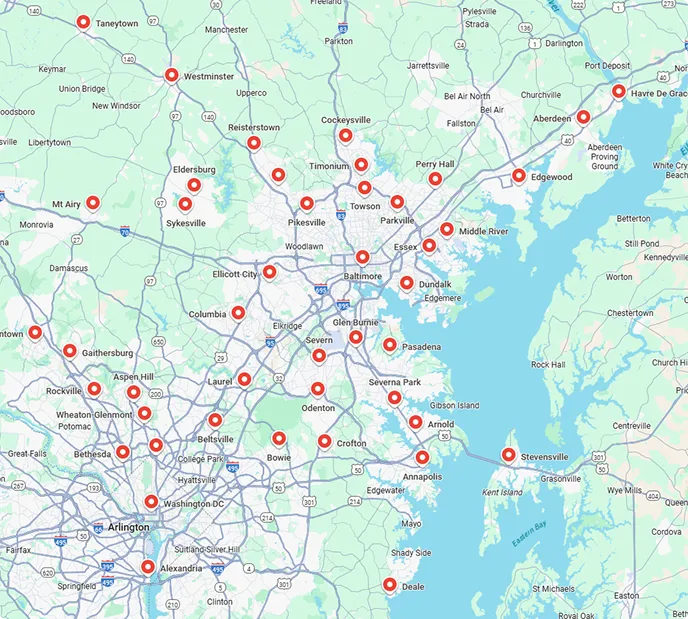
Service areas