

Water Heater Repair in Alexandria, VA
A malfunctioning water heater disrupts daily life fast. In Alexandria, VA homes, where seasonal temperature swings and older plumbing systems are common, timely water heater repair from Tario HVAC keeps your showers, laundry, and dishwashing running smoothly. We’ll cover common problems (like no hot water, inconsistent temperature, leaks, and strange noises), explain how our technicians diagnose both gas and electric tanks, discuss typical repairs performed, give you an idea of expected repair timelines, offer maintenance tips to extend your unit's life, and detail emergency repair options for urgent failures.
.webp)
Why timely repair matters
Ignoring water heater symptoms can lead to higher energy bills, reduced hot water availability, and in the worst cases, major leaks that damage floors and walls. Alexandria’s mix of historic homes and newer construction means many households rely on a range of water heater types and ages. Prompt diagnosis and repair protect property and restore comfort faster.
Common water heater issues in Alexandria homes
- No hot water: Complete loss of hot water can come from a failed heating element, a tripped breaker, or issues with the gas supply or pilot assembly.
- Inconsistent temperature: Fluctuating or lukewarm water often indicates a failing thermostat, sediment buildup that reduces heat transfer, or a partially failed element.
- Leaks: Small drips at valves or seals can escalate into tank leaks. Corrosion at the bottom of an older tank is a frequent cause.
- Strange noises: Rumbling, popping, or banging usually mean sediment has accumulated on the tank bottom and is heating unevenly.
- Pilot or ignition problems: For gas water heaters, a pilot light that won’t stay lit or an electronic ignition failure prevents the burner from operating.
- Slow recovery: The heater takes too long to reheat water, often due to a weak burner/element or heavy sediment.
Diagnostic process for gas and electric tanks
A systematic diagnostic approach isolates the root cause and avoids unnecessary repairs.
Gas tank diagnostics:
- Verify the gas supply and shutoff valve position.
- Inspect the pilot light or electronic ignition assembly for proper operation.
- Check the thermocouple and gas control valve for faults.
- Examine the burner and venting for soot, blockages, or corrosion.
- Pressure-test and inspect for signs of leaks around valves and connections.
Electric tank diagnostics:
- Confirm power at the breaker and test the thermostat(s) for continuity.
- Test heating elements with a multimeter to identify failed or shorted elements.
- Inspect wiring and terminals for loose connections or overheating.
- Check for sediment buildup that may insulate elements and cause overheating.
- Evaluate the sacrificial anode rod for corrosion; a depleted anode accelerates tank deterioration.
Across both types:
- Inspect for visible rust, leaks, or structural weakness in the tank.
- Check temperature-pressure relief valve operation.
- Review water quality factors such as hardness, which can accelerate scale and sediment.
Typical repairs and what they involve
- Element replacement (electric): Replace failed upper or lower heating elements. Technician will drain the tank, swap elements, reseal, and refill.
- Thermostat replacement (electric): Swap out faulty thermostats and recalibrate settings for stable temperatures.
- Pilot and ignition fixes (gas): Clean or replace pilot assembly, thermocouple, or electronic igniter. Inspect and service gas control valve as needed.
- Burner cleaning and adjustment (gas): Remove combustion deposits, adjust the burner for optimal combustion, and verify safe venting.
- Leak repair: Repair or replace leaking fittings, valves, or external components. If the tank itself is corroded and leaking, replacement is typically recommended.
- Anode rod replacement: Install a new sacrificial anode to limit internal corrosion and extend tank life.
- Flush and scale removal: Remove sediment and scale through a controlled flush—improves efficiency and reduces noise.
- Pressure-temperature valve replacement: Replace a faulty T&P valve to ensure safe pressure relief.
Estimated timelines for repairs
- Quick diagnostics: 30 to 60 minutes for an initial assessment.
- Minor repairs (thermostat, element, valve replacement): Often completed within 1 to 3 hours.
- Sediment flush and maintenance tasks: Typically 1 to 2 hours depending on severity.
- More extensive repairs (burner overhaul, multiple component replacements): 2 to 4 hours.
- Tank replacement planning: If a full tank replacement is required, expect a longer appointment for removal, new unit setup, and testing. Scheduling and permitting factors may extend the overall timeline.
Timelines can vary with unit accessibility, parts availability, and the age of the heater.
Maintenance recommendations to extend unit life
- Annual inspection and flush: Flush the tank yearly to remove sediment that reduces efficiency and causes noisy operation. In harder water areas around Alexandria, consider flushing twice a year.
- Replace the anode rod every 3 to 5 years or sooner if corrosion is advanced.
- Test the temperature-pressure relief valve annually to ensure proper operation.
- Set temperature to 120°F to balance comfort, safety, and efficiency, and reduce stress on system components.
- For gas units, inspect venting and combustion air pathways annually to prevent soot buildup and improve efficiency.
- Consider a water softener or scale-control device if local water hardness is high; this reduces sediment and extends component life.
- Schedule professional tune-ups to catch minor issues before they become emergencies.
Emergency repair options and when to call
Some situations constitute emergencies requiring immediate attention:
- Major active leak from the tank or fittings that risks water damage.
- No hot water in freezing conditions where pipes could freeze.
- Persistent gas odor near the heater—this indicates a potential gas leak and requires immediate attention.
- Repeated ignition attempts producing visible gas accumulation or strong smells.
- Temperature-pressure valve discharging continuously.
Emergency response typically prioritizes safety: isolating gas or power, stopping active leaks, and stabilizing the system until permanent repairs are possible. In Alexandria, rapid response is especially important for older homes where rapid leaks can affect plaster, hardwood floors, and historical finishes.
FAQs
Q: How long will a typical water heater repair take?
A: Minor repairs like replacing an element or thermostat generally take 1 to 3 hours. More involved fixes or full tank replacements take longer and may require additional scheduling.
Q: Can a leaking water heater be repaired or must it be replaced?
A: Small leaks at fittings, valves, or connections are often repairable. A leak from the tank shell usually indicates corrosion, and replacement is generally recommended due to the risk of further failure.
Q: How can I tell if my gas pilot light problem is safe to attempt myself?
A: If you smell gas, turn off the gas supply and ventilate the area, and do not attempt repairs. If there is no smell and you are comfortable relighting a pilot per manufacturer instructions, follow the manual carefully. For recurring pilot outages or uncertainty, professional diagnosis is safer.
Q: Are there local factors in Alexandria that affect water heater performance?
A: Yes. Northern Virginia’s seasonal temperature changes and variable water hardness can increase sediment buildup and demand on the heater. Historic homes may have older venting or plumbing that requires special attention during repairs.
Q: Will regular maintenance really extend my water heater’s life?
A: Yes. Regular flushing, anode rod replacement, and professional inspections reduce corrosion and sediment buildup, improving efficiency and extending service life by several years in many cases.

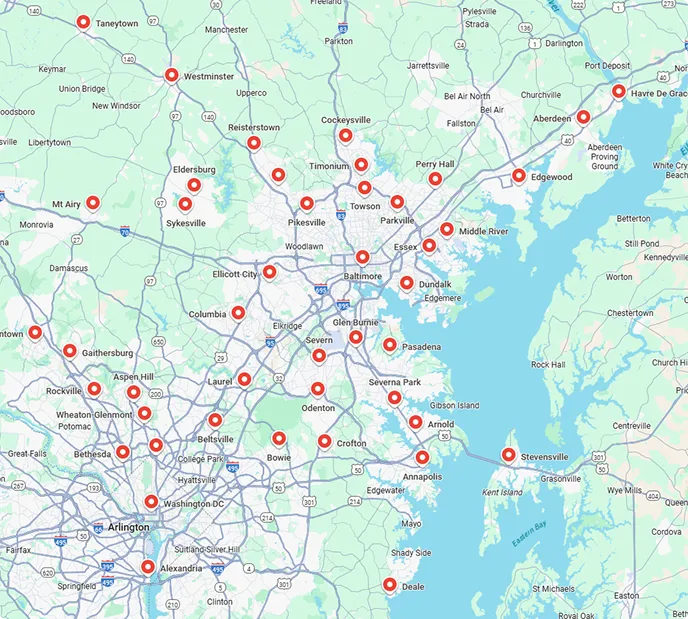
Service areas