



Sump Pumps in Alexandria, VA
For Alexandria homeowners, basement flooding and water intrusion are very real concerns, particularly with our humid summers, seasonal storms, and close proximity to the Potomac and its tidal influences, which can significantly raise the local groundwater table. That's why a properly selected, installed, and maintained sump pump system from **Tario HVAC** is one of the most effective ways to protect your lower levels, prevent mold and structural damage, and safeguard your valuable belongings. We specialize in sump pump installation and replacement, offer battery-backup options, provide routine testing and maintenance, and can help with common failure modes and troubleshooting. We also offer pit cleaning, flood-prevention strategies specifically for Alexandria basements, detailed service plans, and emergency response considerations for those times of heavy rain or flooding.
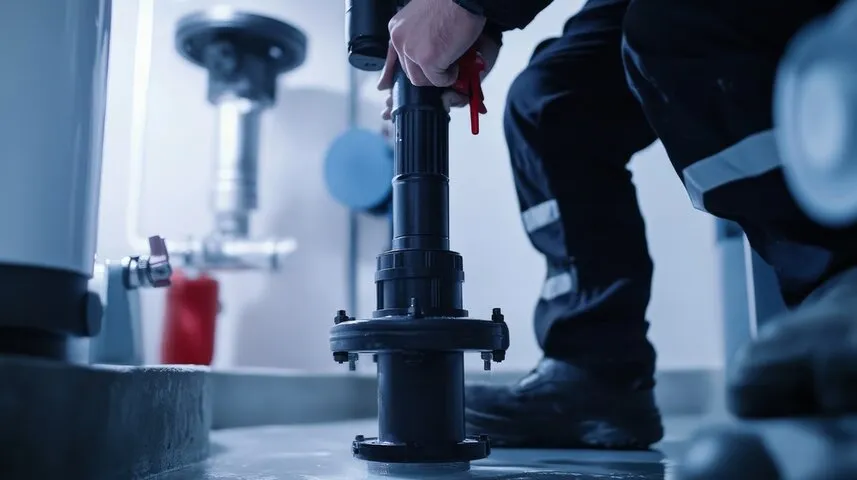
Why Sump Pumps matter in Alexandria homes
- High seasonal rainfall and intense summer storms increase the risk of basement seepage.
- Older rowhomes and historic houses often have basements or lower-level spaces built before modern waterproofing standards.
- A functioning sump pump reduces long-term risks from mold, wood rot, electrical damage, and foundation deterioration.
- Insurance requirements or claims can hinge on documented maintenance and prompt repairs.
Common basement flooding causes in Alexandria
- Surface water from downspouts and poor grading pooling near the foundation.
- High groundwater during prolonged wet periods or spring thaw.
- Clogged gutters or blocked storm drains causing overflow.
- Broken or undersized discharge piping that allows re-entry or backflow.
- Power outages during storms when the primary sump pump has no backup.
Sump pump installation and replacement — what’s involved
- Initial inspection: Evaluate existing pit size, discharge path, check valve condition, and electrical access.
- System selection: Choose between pedestal vs. submersible pumps, and select appropriate horsepower and switch type for the pit and expected water load.
- Pit preparation: Clean and resize pit if needed, replace damaged liners, and ensure proper depth for the selected unit.
- Discharge routing: Install discharge piping with check valves and slope it away from the foundation to a legal drainage point or storm sewer, following local codes.
- Electrical setup: Install a dedicated GFCI-protected outlet and, where required, hardwire per code.
- Final testing: Confirm pump cycles correctly, check valve operation, and verify discharge flow under load.
Replacement is recommended when a pump shows repeated failures, excessive noise, short cycling, or when parts are no longer serviceable. Modern pumps often offer improved reliability and energy efficiency over older units.
Battery-backup systems and alarms
- A battery-backup sump pump operates when the primary pump fails or during power outages, providing critical protection during storms.
- Sealed deep-cycle batteries and smart chargers extend runtime and monitor battery health.
- Combination systems pair a primary pump, a secondary battery-powered pump, and an audible/visual alarm that activates when water reaches a critical level or if the pump is offline.
- In Alexandria, where storm-related outages are possible, battery-backup and water-level alarms are strongly recommended for properties at risk.
Routine testing, maintenance, and pit cleaning
Regular maintenance keeps sump pumps reliable and extends service life. Recommended practices include:
- Monthly testing: Pour water into the pit until the float actuates and observe the pump cycle. Confirm discharge flow and check valve operation.
- Quarterly visual checks: Inspect the pit for debris, sediment buildup, and ensure the float moves freely.
- Annual professional service: Clean the pit, remove sediment, inspect the impeller, replace worn seals or check valves, and test electrical components and battery condition.
- Pit cleaning: Remove mud, gravel, leaves, and sludge that can jam the pump or impede float movement. A clean pit reduces wear and prevents clogging.
- Battery maintenance: For battery-backup systems, inspect and test batteries regularly, and replace batteries based on manufacturer recommendations or when capacity drops.
Common failure modes and straightforward troubleshooting
- Float switch stuck or jammed: Clear debris and ensure float moves freely. Replace damaged floats or switch assemblies.
- Clogged inlet or impeller: Clean out debris from the intake and impeller housing; sediment accumulation can cause overheating or reduced flow.
- Discharge pipe obstruction or frozen line: Check outside discharge lines for blockages, ice, or crushed piping and clear or replace as necessary.
- Check valve failure: Replace leaky or stuck check valves to prevent backflow and short cycling.
- Power loss: Verify outlet is powered and GFCI is not tripped. For repeated outages, assess need for battery backup.
- Motor failure or bearing wear: Persistent noisy operation or inability to pump indicates internal motor problems, often requiring replacement.
Basement flood-prevention strategies specific to Alexandria
- Redirect downspouts at least several feet from the foundation; consider splash blocks or buried extenders to move water toward storm drains.
- Improve grading so soil slopes away from the house; compacted or flat soil holds water against the foundation.
- Maintain gutters and leaf guards to prevent overflow during intense storms.
- Install backflow preventers on sewer lines where sanitary backflow is a risk in heavy rains.
- Consider perimeter drainage or french drains tied into the sump system for persistent seepage issues.
- Use humidity control and dehumidifiers in basements to mitigate residual moisture and deter mold growth after small leaks.
What to expect during a professional installation or replacement
- A site assessment will determine the correct pump type and capacity for the home’s configuration and local groundwater conditions.
- Installation typically involves setting or resizing the pit, securing the pump, routing discharge piping with a check valve, and integrating a battery backup or alarm if selected.
- Professionals verify local code compliance for discharge points and electrical work and test the system under simulated high-water conditions.
- After installation, receive documentation of model numbers, maintenance recommendations, and a basic troubleshooting guide for homeowner reference.
Service plans and emergency response options
- Service plans usually include periodic inspections, seasonal maintenance, priority scheduling during storms, discounted repairs, and battery checks for backup systems.
- Emergency response options are important for Alexandria during heavy rain or tidal events. Emergency services typically focus on temporary pumping, bypass setups, and rapid repairs to restore pumping capability during critical events.
- Plan selection depends on home size, basement usage, and the homeowner’s tolerance for risk; regular maintenance plans lower the chance of emergency failures.
Benefits and long-term considerations
A correctly designed and maintained sump pump system protects your home’s structural integrity, reduces mold risk, and preserves property value. For Alexandria properties, pairing a primary pump with a battery-backup and an alarm provides the most reliable protection against storm-related flooding. Documented maintenance and timely replacements also support insurance claims and long-term resilience.
Q: How often should I test my sump pump in Alexandria?
A: Test monthly by pouring water into the pit to ensure the float activates and the pump discharges properly; have an annual professional inspection and pit cleaning.
Q: Do I need a battery-backup sump pump?
A: Battery backups are highly recommended for Alexandria homes prone to storms or power outages, as they protect against pump failure during critical heavy-rain events.
Q: What signs indicate my sump pump needs replacement?
A: Repeated failures, loud grinding or rattling, short cycling, reduced discharge flow, or a pump older than its expected service life are common indicators for replacement.
Q: Can discharge be routed to the street or storm drain in Alexandria?
A: Discharge routing must follow local codes; routing to a legal drainage point or storm sewer is common, but check local regulations and consider a proper check valve and slope.
Q: How does pit cleaning help performance?
A: Removing sediment and debris prevents float jams, impeller blockages, and premature motor wear, improving reliability during high-water events.

Service areas
