

Tankless Water Heater Installation in Alexandria, VA
Switching to a tankless water heater can be one of the most effective upgrades for comfort and energy efficiency in Alexandria homes. Whether you live in a historic rowhouse near Old Town, a riverfront condo, or a newer suburban home, tankless systems deliver on-demand hot water, reduce standby energy loss, and free up space where an old storage tank used to sit. We'll explore the benefits, sizing and fuel-source choices, the professional installation process, permitting and code considerations unique to Alexandria, expected payback from energy savings, maintenance needs, warranty options, and the pre-installation site evaluation steps that make the change smooth and reliable when handled by Tario HVAC.
.webp)
Why Tankless makes sense in Alexandria
- Instant hot water on demand reduces wasted water while waiting for a tank to refill.
- Better energy efficiency than traditional tanks because there is no standby heat loss.
- Smaller footprint works well in older Alexandria homes where mechanical space is limited.
- Longevity: properly maintained tankless units often last longer than conventional tanks, which matters in the region where frequent plumbing upgrades can be disruptive.
- Reduced risk of tank leaks or floods in basements and lower levels common to some older properties near the Potomac.
Common tankless installation types and performance goals
- Whole-house tankless systems sized to supply simultaneous showers, dishwasher, and laundry.
- Point-of-use tankless units for bathrooms or distant fixtures to provide faster hot water and lower first-hour demands.
- Commercial-grade or higher-capacity systems for large families or multi-unit conversions common in Alexandria rowhouses.
- Condensing vs non-condensing units: condensing models recover additional heat from exhaust gases and yield higher efficiency, which can be advantageous in colder months.
Sizing and fuel-source considerations: gas vs electric
- Sizing: Tankless heaters are sized by flow rate (gallons per minute) and required temperature rise (incoming ground or surface water temp up to desired hot water temp). Alexandria winter ground and municipal water temperatures will be cooler than summer, so plan for the higher temperature rise to reliably meet winter demand.
- Gas-fired units: Typically deliver higher flow rates and are better for whole-house applications with multiple simultaneous demands. They require proper gas line capacity and venting systems. In older Alexandria homes, gas line upgrades or routing may be necessary.
- Electric units: Easier to install in situations with limited venting options and for point-of-use needs. Electric tankless models can be compact and have lower upfront installation complexity but may require upgraded electrical service or dedicated circuits for higher-capacity units.
- Fuel choice impact: Evaluate existing utilities at your property, peak hot water needs, and whether space constraints or historic building rules limit venting changes.
Professional installation process: What to expect
- Pre-installation site evaluation to measure water lines, gas and electrical service, venting paths, and combustion air access. This includes noting space constraints and local code requirements relevant to Alexandria properties.
- Equipment selection and sizing based on measured flow demand and temperature rise for your household.
- Venting and placement: Gas units require approved venting; condensing units typically use PVC or special stainless steel venting. Installers identify the shortest, code-compliant vent route with minimal bends.
- Gas connections: Check gas meter capacity and supply piping. For some homes, up-sizing the gas line or adding a second meter may be required to meet BTU demands safely.
- Electrical connections: Even gas units require electrical power for controls and ignition. Electric models require proper amperage and possibly panel upgrades.
- Permits and inspections: Professional installers pull required permits, schedule local inspections, and verify unit installation complies with Alexandria and Virginia building and mechanical codes.
- Final commissioning: Flow and temperature tests, pressure checks, combustion analysis for gas units, and user orientation on operation and maintenance.
Permits, zoning, and historic considerations in Alexandria
Alexandria has neighborhoods with historic district designations and stricter exterior or mechanical alteration rules. While tankless units can often be installed with minimal exterior impact, venting penetrations and exterior equipment must comply with local preservation rules where applicable. Permitting through the City of Alexandria ensures code compliance and protects both safety and property resale value.
Expected costs and energy payback
- Upfront costs include equipment, installation labor, possible gas line or electrical panel upgrades, and permit fees. These vary by unit size, fuel type, and site complexity.
- Energy savings come from eliminating standby losses and higher thermal efficiency. Over time, lower energy bills and longer equipment life contribute to payback. The exact timeframe depends on household hot water use, fuel prices, and local utility rates in the Alexandria area.
- Consider the total lifecycle cost: initial investment plus maintenance versus the long-term operating savings and fewer replacement cycles.
Maintenance and warranty options
- Regular maintenance increases reliability and extends warranty coverage. Key tasks:
- Descale and flush the heat exchanger annually or more often if calcium hardness is an issue in your water supply.
- Clean filters and check inlet screens periodically.
- For gas units, inspect venting and combustion components during annual service.
- Many manufacturers offer structured warranty coverage: parts warranties and separate coverage for the heat exchanger. Warranties often require proof of regular maintenance by a qualified technician to remain valid.
- Local water conditions in Alexandria may influence recommended maintenance intervals. Installers typically recommend water treatment or softening where scaling is likely.
Pre-installation site evaluation steps
- Measure available space, potential venting paths, and proximity to appliances.
- Document current gas meter capacity, gas line sizes, and electrical panel capacity.
- Identify cold water inlet temperatures based on seasonal variation to determine required temperature rise.
- Note any historic district or condo association rules that could affect exterior venting or placement.
- Recommend water quality testing if scaling is suspected and advise on mitigation (filters, conditioners, or more frequent descaling).
Common concerns and troubleshooting
- Low flow or delays: Often caused by undersized unit for peak demand or by long pipe runs; solution can include upsizing or adding a point-of-use unit.
- Hard water scaling: Preventable with water treatment or scheduled descaling maintenance.
- Venting challenges in tight or historic homes: Consider electric or condensing models with more flexible venting options if exterior alterations are limited.
- Electrical or gas service upgrades: Plan these as part of the project during the pre-install evaluation to avoid surprises.
What you gain after installation
A properly installed tankless water heater tailored to your Alexandria home provides on-demand hot water, better energy efficiency, and a smaller footprint. With routine maintenance and attention to local code and historic considerations, a tankless system can deliver reliable performance and lower lifetime operating costs compared to traditional tanks.
Q: How long does a professional tankless installation in Alexandria usually take?
A: Typical installations require a day or two for standard replacements; more complex jobs that need gas or electrical upgrades, venting reroutes, or panel work can take longer and may require additional inspection scheduling.
Q: Will I need a permit for my tankless water heater in Alexandria?
A: Yes, permits and inspections are usually required to ensure compliance with local building and mechanical codes and any historic district regulations.
Q: How often does a tankless water heater need maintenance in this area?
A: Annual maintenance is common, and more frequent descaling may be needed if water hardness is high. A pre-install water quality check helps determine the right schedule.
Q: Are gas or electric tankless units better for older Alexandria homes?
A: It depends on existing utilities, available space, venting options, and hot water demand. Gas units often serve whole-house needs better, while electric units are advantageous where venting is restricted or for point-of-use applications.

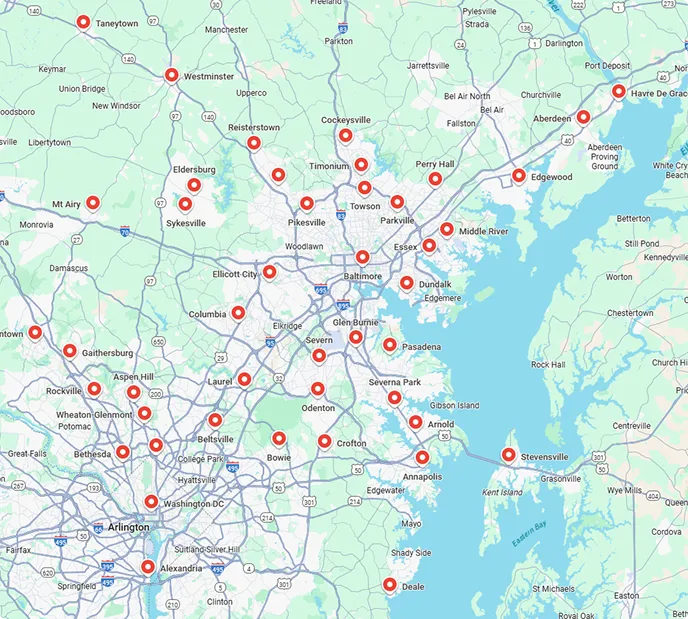
Service areas