

Tankless Water Heater Installation in Wheaton, MD
For Wheaton homeowners, upgrading to a tankless water heater offers significant advantages: on-demand hot water, superior energy efficiency, and a smaller footprint. These benefits are especially important when navigating variable winters, compact lots, and the desire for more energy-conscious budgets. Tario HVAC can show you exactly how tankless systems excel in Wheaton, helping you choose the ideal size and fuel type. We'll detail what our professional site assessment and installation involve, cover permit and code considerations specific to Montgomery County, discuss ongoing maintenance expectations, and paint a clear picture of the realistic outcomes you can expect after a retrofit.
.webp)
Why choose a tankless Water Heater in Wheaton, MD
- Energy efficiency: Tankless units heat water only when needed, reducing standby losses common with storage tanks. For households that value lower utility waste and long-term performance, this is a key benefit.
- On-demand hot water: Continuous hot water suits larger families, appliances that run back-to-back, and modern HVAC-assisted homes where simultaneous showers and laundry are frequent.
- Space savings: Many Wheaton homes, especially townhouses and older single-family homes, gain usable space when the bulky tank is removed.
- Local climate considerations: Winters in the Wheaton area bring colder incoming water temperatures, which affects required temperature rise and system sizing. Also consider local water hardness that can increase scaling risk on heat exchangers.
Common tankless water heater issues and service types in Wheaton
- Improperly sized units that underperform during cold snaps
- Insufficient gas line or electrical capacity for high-demand models
- Venting conflicts in retrofits, especially in multi-story or tight-utility spaces
- Scale buildup from local water hardness reducing efficiency and lifespan
- Condensing unit condensate management in winter months
Services typically provided:
- System sizing and fuel-type selection
- Site assessment for plumbing, gas, venting, and electrical needs
- Full retrofit installation, including upgrades as needed
- Permitting, inspections, and code compliance
- Post-installation commissioning and homeowner orientation
- Scheduled maintenance and descaling programs
Sizing and fuel-type selection
Proper sizing focuses on required flow rate (gallons per minute) and temperature rise (difference between incoming cold water and desired hot water temperature). In Wheaton, plan for the coldest months when incoming water temperature is lowest. A detailed assessment accounts for peak demands—simultaneous showers, dishwasher, and laundry—and prioritizes matching the unit’s maximum flow at the needed temperature.
Fuel options:
- Natural gas: Common in Montgomery County homes; offers high flow capacity and lower operating costs for many households. Requires adequate gas line sizing and proper venting.
- Propane: Suitable where natural gas is not available; similar performance to natural gas but requires tank storage and refueling logistics.
- Electric: Easier to install in homes without gas but requires sufficient electrical infrastructure and may be best for point-of-use or smaller-demand applications.
Selection depends on existing utilities, projected hot water demand, and retrofit complexity.
Site assessment and required modifications
A thorough site assessment verifies:
- Current water heater location and structural support
- Gas service capacity and need for line upsizing
- Electrical panel capacity or need for dedicated circuits for electric units
- Venting route feasibility for gas models, including clearances and termination points
- Condensate disposal for high-efficiency condensing units
- Accessibility for maintenance and local code clearances
Common modification tasks:
- Upgrading gas piping or installing a new meter setting
- Adding or upgrading electrical circuits and breakers
- Cutting new vent penetrations or installing stainless steel venting
- Installing condensate drain lines and neutralization if required
- Adding water filtration or a softening pre-treatment to limit scale
Step-by-step installation process
- Pre-install assessment and permit pull: Confirm model, venting plan, and necessary upgrades.
- Removal of old unit and preparation: Drain and disconnect the existing tank, prepare mounting location.
- Mechanical and plumbing work: Install supply and return connections, pressure relief, and condensate drains.
- Fuel and electrical upgrades: Resize gas lines or add electrical circuits as required.
- Venting installation: Run new venting or adapt existing routes to meet manufacturer and code requirements.
- Unit installation and controls setup: Mount unit, connect utilities, program temperature and safety settings.
- Pressure, leak, and combustion testing: Verify system integrity, perform combustion analysis for gas units.
- Commissioning and homeowner walkthrough: Demonstrate operation, safety features, and routine maintenance steps.
Permit and code considerations in Wheaton / Montgomery County
Work must comply with local codes and inspections. Typical requirements:
- Building and mechanical permits from Montgomery County permitting authorities
- Separate plumbing, gas, and electrical permits as needed
- Installation to meet the Maryland Plumbing Code, National Fuel Gas Code, and local amendments
- Licensed contractors for gas and electrical work to pass inspection
- Documentation of venting type, combustion testing results, and final inspection sign-off
Permits and inspections protect safety and ensure long-term compliance. Plan for permit timelines when scheduling a retrofit.
Expected costs and payback
Costs and payback depend on multiple factors: unit type and capacity, complexity of venting or utility upgrades, and whether water treatment is required. Retrofit projects that need significant gas or electrical upgrades will be more involved than direct replacements. Energy savings from on-demand heating contribute to a return on investment over time; homes with moderate to high hot water usage typically see the most measurable operational benefits. Incentives or utility programs may be available locally to offset installation costs—verify eligibility before installation.
Maintenance needs and longevity
Routine maintenance preserves efficiency and extends life:
- Annual or semi-annual descaling/flush, frequency based on water hardness
- Cleaning or replacing inlet filters and strainers
- Burner and heat exchanger inspection for gas units
- Vent and condensate trap inspection and cleaning
- Monitoring error codes and addressing issues promptly
With regular maintenance, tankless systems can provide many years of reliable service. Neglect, particularly in hard-water areas, is the most common cause of premature failure.
Before and after project examples
- Single-family retrofit: An older Wheaton home converted from a 50-gallon tank to a gas tankless unit. Challenges included limited venting routes and an undersized gas line. After upgrading the line and installing stainless venting, the homeowner gained continuous hot water, reclaimed utility closet space, and reduced household standby heat loss.
- Townhouse replacement: A tight-utility closet required a wall-mounted electric tankless for space reasons. Electrical panel upgrade was coordinated with the installation. Outcome: instant hot water for two bathrooms and clear floor space where the old tank sat.
- Multi-unit condo conversion: Centralized storage units were replaced with point-of-use tankless systems during a common-area modernization. Installation prioritized venting management and condensate routing. Result: reduced heating cycles, greater hot water availability, and easier phased maintenance.
FAQs
Q: How do I know if my Wheaton home has the right utilities for a gas tankless unit?
A: A site assessment will check gas meter capacity, piping size, and venting feasibility. If upgrades are needed they will be identified before installation.
Q: Will a tankless water heater work during Wheaton winters when ground water is cold?
A: Yes, if the unit is sized for the required temperature rise. Cold incoming water increases the required heating capacity, so professional sizing is essential.
Q: How often should a tankless unit be descaled in Wheaton?
A: Frequency depends on local water hardness. Many homeowners benefit from annual descaling; homes with hard water may need descaling more often or a dedicated water treatment solution.
Q: Are permits required for a tankless water heater installation in Montgomery County?
A: Yes. Mechanical, plumbing, gas, and electrical work typically require permits and inspections to ensure compliance with local codes.

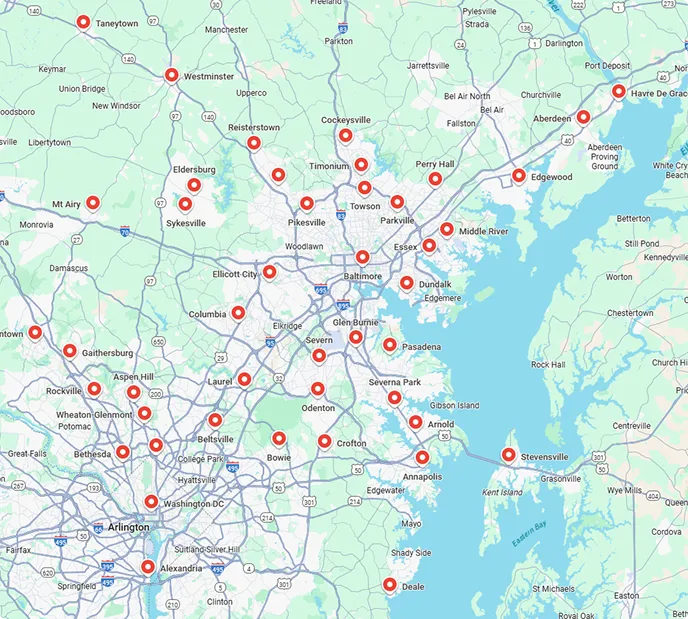
Service areas