



Sewer Cleanout in Wheaton, MD
For a Wheaton, MD homeowner, a backed-up sewer is easily one of the most disruptive and health-risking plumbing problems imaginable. Catching the need for a sewer cleanout or service early can significantly cut down on property damage, minimize exposure to contaminants, and ensure your home keeps running smoothly, especially through our region's freeze-thaw winters and heavy spring storms. At **Tario HVAC**, we can help you understand the common signs that indicate you need service, how our technicians diagnose the problem, the various cleaning and repair options we offer, effective root removal strategies, factors that influence service decisions, and practical maintenance tips tailored specifically for Wheaton homes.
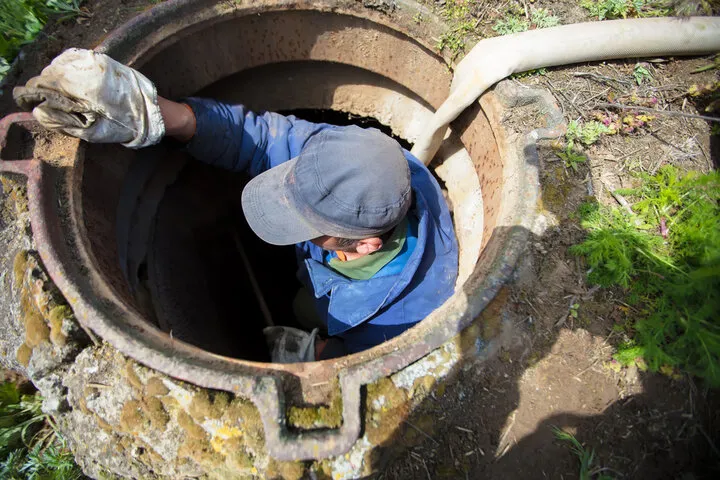
Common signs you need a sewer cleanout or service in Wheaton, MD
- Repeated backups or overflows from toilets, floor drains, or basement drains. Recurring backups usually point to a main sewer issue rather than a single fixture.
- Slow drains in multiple fixtures at the same time. If sinks, tubs, and toilets all drain slowly, the main line is a likely cause.
- Foul sewer odors around your yard, basement, or near sewer cleanout access points. Odors often indicate cracks, leaks, or partial blockages.
- Gurgling sounds coming from drains or toilets when other fixtures are used. This suggests trapped air caused by obstruction.
- Lawn depressions, soggy patches, or unusually lush grass in the yard above sewer lines. These can signal a leaking or collapsed pipe.
- Water backing into the lowest drains during heavy rains. Wheaton’s storm events and older combined sewer systems can exacerbate inflow and cause backups.
How inspection works: diagnosing the issue
- Visual assessment and history: A technician will note which fixtures are affected, when problems started, and any recent construction or landscaping that might have disturbed lines.
- Camera inspection (video scope): A flexible camera system is sent through the main line to identify blockages, root intrusion, collapsed sections, offsets, or bellies. Camera inspection is the most reliable way to locate a problem without excavation.
- Smoke or dye testing: Used selectively to detect leaks or cross-connections between storm and sanitary lines when surface signs are present.
- Depth and location mapping: Knowing the depth and position of the main cleanout and sewer line helps plan access and repair methods, which is important in Wheaton where yards may have mature trees.
Cleaning approaches: what to expect
- Rodding (mechanical augers and cables): Ideal for removing soft obstructions, grease, or small root intrusions near the cleanout. Rodding is efficient for many blockages but may not remove thick root masses or hardened scale.
- Hydro-jetting (high-pressure water cleaning): Powerful, effective at removing grease, mineral buildup, biofilm, and roots lining the pipe. Hydro-jetting restores pipe flow and is recommended when camera inspection shows heavy deposits or root encroachment.
- Combination methods: Some jobs start with rodding to break up a blockage, then hydro-jetting to flush debris and clean the pipe walls thoroughly.
- Safety and containment: Technicians use containment to avoid basement contamination during aggressive cleaning. Expect temporary water or odor disturbances during cleaning.
Root removal and repair options
- Mechanical root cutting: Rotary cutters on a cable can shear roots inside the pipe. This is a fast solution but roots will regrow unless addressed.
- Chemical root treatments: Applied post-cutting to slow regrowth. These treatments are a maintenance tool, not a permanent cure, and should be used judiciously.
- Trenchless repairs (pipe lining, cured-in-place pipe CIPP): When the pipe is cracked, offset, or has repeated root issues, trenchless lining restores structural integrity without full excavation. This is especially valuable in Wheaton yards with mature trees or close property lines.
- Pipe replacement: Necessary when lines are collapsed, severely offset, or compromised by extensive root penetration. Open excavation may be required when trenchless methods are not feasible.
- Spot repair: For localized damage, small sections can be replaced without relining the entire run.
How decisions are made: factors that influence the approach
- Pipe material and age: Older clay or cast-iron lines in many Wheaton homes are more prone to root intrusion and fractures than modern PVC.
- Location and access: Deep or poorly accessible lines may favor trenchless options over open excavation.
- Extent of damage shown on camera: Surface-scale buildup may only need hydro-jetting, while structural failure requires lining or replacement.
- Yard features and trees: Mature trees common in Wheaton increase the likelihood of roots; preserving landscaping may sway the decision toward trenchless repair.
Emergency sewer issues and response
Sewer backups and overflows present health risks. Emergency response protocols prioritize isolating the affected area, minimizing contamination, and restoring flow. Emergency work often begins with an inspection and temporary measures to stop active backups, followed by a planned repair or cleaning once the cause is identified. In Wheaton homes, quick action during heavy rain events reduces the risk of basement flooding and property damage.
Preventative maintenance tips for Wheaton homeowners
- Schedule regular camera inspections every 2 to 3 years if you live in an older home or near mature trees. Early detection prevents costly repairs.
- Annual hydro-jetting for homes with chronic slow drains or known root issues—keeps lines clear and reduces tree root attraction.
- Avoid flushing grease, wipes, or non-flushable items. Grease solidifies and catches debris, accelerating buildup.
- Manage landscaping: Keep large trees and shrubs away from sewer line routes where possible, and choose less invasive species near known sewer runs.
- Monitor for early signs such as slow drainage, gurgling, or odors, and arrange an inspection before a complete backup occurs.
- Sump pump and backflow prevention: Consider a backflow prevention device if your property is prone to stormwater infiltration or if municipal records indicate combined sewer issues nearby.
FAQs
Q: How will I know if the main sewer line or a local drain is the problem?
A: If multiple fixtures are affected at once, especially toilets and basement floor drains, the main sewer line is likely the issue. A camera inspection confirms the location.
Q: What is camera inspection and why is it important?
A: Camera inspection uses a flexible video scope inserted into the sewer line to identify blockages, root intrusion, cracks, and pipe condition. It guides the right repair method without unnecessary digging.
Q: Is hydro-jetting safe for older pipes?
A: Hydro-jetting is effective and safe when performed by experienced technicians who assess pipe condition first. In severely deteriorated lines, gentler methods or targeted repairs may be recommended.
Q: Can cutting roots solve the problem permanently?
A: Mechanical root cutting removes current intrusion but does not stop regrowth. Combining cutting with chemical treatments or choosing trenchless lining or replacement provides longer-term solutions.
Q: How often should a sewer cleanout be inspected in Wheaton?
A: For properties with older sewer lines or large trees nearby, an inspection every 2 to 3 years is a typical guideline. Homes with frequent issues may need annual checks.

Service areas
