



Sump Pumps in Stevensville, MD
Basements and low-lying crawlspaces in Stevensville, MD face unique flooding risks from a high water table, coastal storm surge, heavy spring rains, and occasional nor'easters or hurricane remnants. A properly selected, installed, and maintained sump pump system is a practical, and often necessary, defense against water damage, mold, and structural issues. Tario HVAC offers expert sump pump installation, replacement, and repair services tailored to Stevensville homes. We also cover backup options, sizing and pit preparation, maintenance and testing plans, flood prevention strategies, emergency response considerations, and provide realistic expectations for lifespans and warranties.
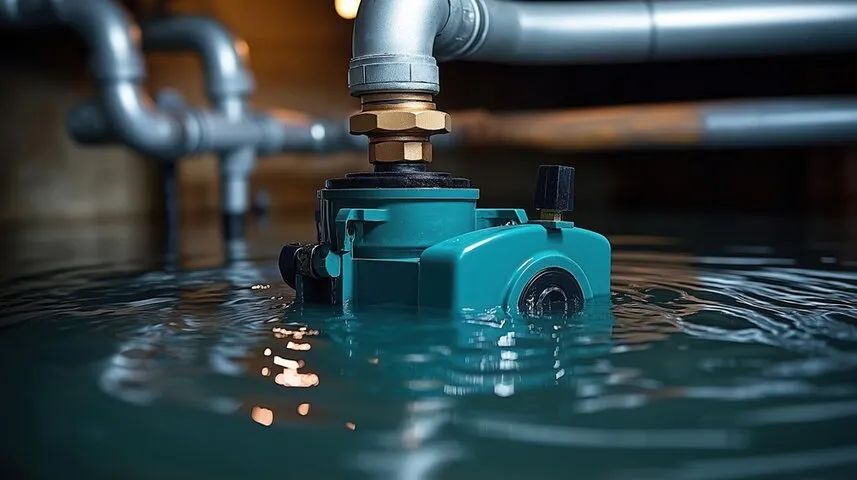
Common Sump Pump services in Stevensville, MD
- Sump pump installation: new systems sized to the property, appropriate pit preparation, discharge routing, and alarm integration.
- Sump pump replacement: upgrading aged or undersized pumps, switching from pedestal to submersible units, or adding redundancy.
- Sump pump repair: diagnosing noisy motors, stuck floats, tripping circuits, reduced flow, or continuous cycling.
- Backup and battery-powered systems: battery-based or water-powered backups and generator-compatible setups for power outages during storms.
- Pump sizing and pit preparation: selecting horsepower and GPH based on soil permeability and expected inflow, plus proper pit depth, liner, and cover.
- Maintenance plans and testing: scheduled inspections, seasonal testing, battery checks, and preventive cleaning.
- Flood prevention and emergency response: system integration with alarms, valve checks, and prioritized response for storm events.
- Lifespan, reliability, and warranty guidance: realistic service life expectations and what warranties typically cover.
Why installation and correct sizing matter in Stevensville
Stevensville’s proximity to tidal waters and marshy soils increases both surface runoff and subsurface seepage after heavy rains. An incorrectly sized pump or poorly prepared pit will struggle during peak inflow events. Proper installation begins with a site-specific assessment: expected inflow, basement footprint, soil drainage, and discharge routing away from foundations and neighboring properties. Sizing decisions use gallons per hour (GPH) and horsepower to ensure the pump can remove water faster than it enters the pit during typical local storms.
Installation and pit preparation - what to expect
- Site survey: evaluate basement grade, soil, foundation drainage, and existing plumbing or sump locations.
- Pit construction: concrete or prefabricated plastic pit with recommended depth and a sealed cover to reduce debris and odors.
- Pump selection: pedestal vs submersible, horsepower selection, and float switch type. Submersible pumps are common in wet environments because they are quieter and more efficient for continuous operation.
- Discharge system: PVC lines routed to approved discharge points, check valves to prevent backflow, and freeze protection where applicable.
- Alarms and controls: high-water alarms and optional smart monitoring for remote alerts during storms.
Backup systems and battery options
Power outages often coincide with the heaviest storms. Battery backup systems provide automatic switchover when the primary pump loses power and can maintain pumping for several hours depending on battery capacity and pump demand. Alternatives include water-powered backups or generator readiness configurations. For Stevensville homeowners, a battery backup sized to handle prolonged heavy rainfall periods is recommended, and combining battery backup with a second primary pump adds redundancy during peak events.
Common repairs and diagnostic process
Typical issues include stuck or fouled float switches, clogged intakes, failed impellers, worn bearings, and electrical faults. A professional diagnostic includes:
- Visual inspection and pit cleaning.
- Electrical tests for motor current and GFCI/circuit integrity.
- Float and switch operation checks.
- Discharge line and check valve inspection.
- Flow and cycling performance measurement.
Repairs range from clearing debris and replacing switches to full motor replacement or recommending an upgrade if the pump is undersized or beyond economical repair.
Maintenance plans and testing
Regular maintenance extends pump life and increases reliability when storms hit.
- Recommended frequency: at least annual service, with a spring check before rainy season and an autumn check if winter freezing is a factor.
- Typical tasks: pit cleaning, float test, check valve inspection, discharge line flushing, electrical testing, and battery load testing for backups.
- Testing: simulate high water to confirm automatic activation and proper shutoff, and verify alarm systems.
- Record keeping: service logs help track battery replacement schedules and component wear.
Flood prevention strategies for Stevensville homes
Mitigation should combine interior and exterior measures:
- Maintain gutters, downspouts, and grading to divert surface water from foundation.
- Install check valves or backflow preventers where municipal systems can back up.
- Integrate sump pump alarms with home monitoring to get early warnings during storms.
- Consider drainage enhancements such as French drains or exterior grading where feasible.
These measures reduce the load on your sump pump and lower the risk of basement flooding during coastal storm events.
Emergency response and what homeowners should know
During an emergency, reduce risk by avoiding contact with standing water that may be electrically charged or contaminated. If a pump fails during a storm, avoid running extension cords and do not attempt complex electrical repairs. Basic homeowner checks include verifying power to the pump, clearing visible debris from the pit, and ensuring the discharge line is not blocked or frozen. Professionals prioritize flooded properties and evaluate whether temporary pumping, battery replacement, or system upgrades are needed.
Lifespans and warranties
Typical sump pump life ranges from 5 to 15 years depending on usage, quality, and maintenance. Submersible pumps used heavily in storm-prone areas may wear faster, while regular maintenance and timely repairs extend service life. Manufacturer warranties commonly cover defects for 1 to 5 years; some premium units offer longer coverage on motors. Installed system components like check valves and batteries have separate expected service lives and may carry distinct warranties.
FAQs
Q: How often should I test my sump pump in Stevensville?
A: Test your pump at least twice a year, ideally in spring and fall, and after major storms; backup batteries should be tested more frequently and replaced per manufacturer guidance.
Q: Do I need a backup system if I have a primary sump pump?
A: Yes. In Stevensville, power outages can coincide with heavy rain events. A battery or water-powered backup reduces flood risk during outages.
Q: What size pump do I need for my basement?
A: Size depends on pit inflow, basement square footage, and soil drainage. A site assessment determines appropriate GPH and horsepower; many homes require a pump rated 1/3 to 1/2 horsepower, but high-inflow properties need larger capacity.
Q: Can I install a sump pump myself?
A: Home installation is possible for experienced DIYers, but professional installation ensures correct pit prep, discharge routing, check valve placement, and electrical safety—critical where flood risk is high.
Q: How long do backup batteries last?
A: Battery life varies by type and discharge profile; typical sealed lead acid batteries last 3 to 5 years in backup service and should be load-tested annually.
Q: What are signs my sump pump is failing?
A: Continuous cycling, unusual noises, reduced flow, motor not starting, tripped breakers, or a non-operational float switch are common signs indicating service is needed.

Service areas
