



Sump Pumps in Baltimore, MD
Baltimore homeowners often worry about basement flooding and persistent dampness. With our low-lying neighborhoods, a high water table near the harbor, and those occasional coastal storms and heavy downpours, a dependable sump pump is truly one of the most crucial investments for protecting your finished basements, utilities, and cherished belongings. **Tario HVAC** offers comprehensive sump pump installation, repair, and maintenance options specifically tailored for Baltimore homes. We'll help you select the ideal system, spot failure signs early, and ensure your basement stays dry through every season.
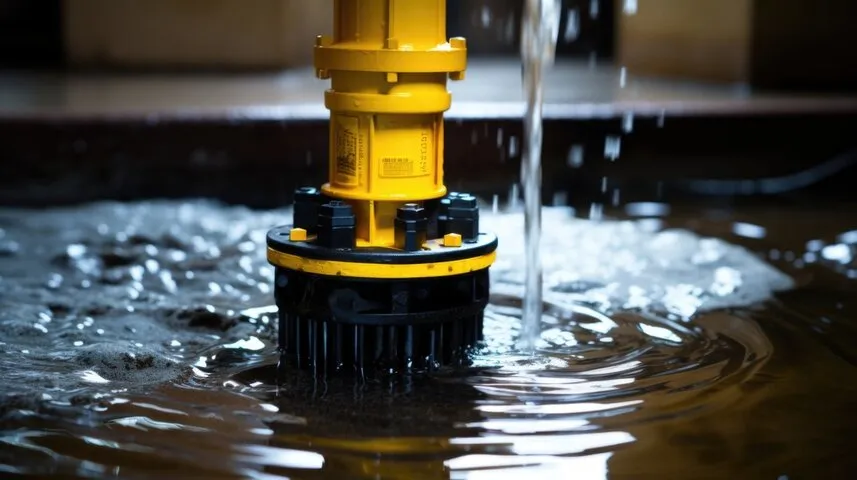
Common Sump Pump services in Baltimore
- Sump pump installation: sizing the pump to match basement drainage needs, selecting submersible vs pedestal models, and installing or relocating the sump pit.
- Battery backup and secondary systems: installing battery backups, water-powered backups, or duplex (two-pump) systems for redundancy during power outages and extreme storms.
- Repair and replacement: diagnosing motor failures, replacing worn impellers, float switches, check valves, and corroded discharge lines.
- Maintenance and seasonal tune-ups: annual inspections, pit cleaning, testing float operation, and battery checks to prevent failure during wet months.
- Integration with basement waterproofing: tying sump pumps into perimeter French drains, interior drainage systems, and foundation crack repairs for a comprehensive solution.
- Emergency flood response: rapid assessment, temporary pumping, and stabilization advice after heavy rainfall or sewer backup events.
Choosing the right system for Baltimore homes
- Capacity and head rating: Match pump horsepower and GPM (gallons per minute) to the volume of water that typically accumulates and the vertical distance the water must be discharged. Urban rowhouses and low-level basements often need higher capacity than a light-use utility space.
- Submersible vs pedestal:
- Submersible pumps sit inside the pit, are quieter, and handle sediment better. They’re commonly chosen for finished basements and homes at higher flood risk.
- Pedestal pumps have the motor above the pit and are easier to service. They can be a good fit where space or pit-size is constrained and sediment levels are low.
- Materials and corrosion resistance: In Baltimore’s coastal-influenced environment, choose components (discharge lines, fasteners, and pump housings) that resist corrosion from salt air and urban runoff.
- Float and switch types: Consider vertical floats for tight pits and tethered floats where debris is minimal. Electronic sensors are available where more precise activation is needed.
- Redundancy: For homes vulnerable to flash flooding or prolonged outages, duplex systems or battery backups reduce the chance of catastrophic failure.
Battery backup and alarm options
- Battery backup units provide run time when grid power fails. Evaluate typical outage durations in your area and choose battery capacity accordingly.
- Water-powered backups can be used where a reliable pressurized water source exists, but they require municipal water and may be restricted by local codes.
- Alarms and monitoring: High-water alarms alert you before sump overflow; Wi-Fi-enabled monitors can send alerts to your phone. Alarms are particularly useful for second homes or long periods away.
- Maintenance: Backup batteries typically need replacement every 3 to 5 years and should be tested seasonally, especially before Baltimore’s rainy periods.
Integration with basement waterproofing
A sump pump is most effective when it’s part of a complete waterproofing strategy:
- Interior perimeter drains (French drains) funnel water to the sump pit more effectively than a single low spot.
- Foundation crack sealing and exterior drainage improvements reduce the volume of water that must be pumped.
- Coordinating pump discharge to a safe upslope location or storm drain (as allowed by local code) prevents water from reentering the foundation zone.
Signs your sump pump needs repair or replacement
- Pump runs constantly or cycles frequently (short-cycling).
- Motor hums but impeller does not turn, or pump fails to start.
- Visible rust, corrosion, or sediment build-up in the pit.
- Water in the basement after storms when the pump should handle inflow.
- Strange noises: grinding, screeching, or loud vibrations.
- Float switch that sticks or becomes entangled in debris.
- Discharge line frozen, clogged, or dumping water near the foundation.
Diagnostic and inspection process
A thorough diagnosis typically includes:
- Visual inspection of the pit, pump, float, and discharge line for debris, corrosion, and obvious damage.
- Electrical check: verify power supply, circuit breaker, and wiring continuity.
- Operational test: pour water into the pit to observe activation, run time, and discharge behavior.
- Check valve inspection: ensure one-way flow to prevent water returning to the pit.
- Evaluate pump capacity vs observed inflow and the vertical lift required.
- Assess backup systems (battery charge, alarm function) and integration with existing waterproofing.
Common repairs and long-term solutions
- Cleaning and debris removal to restore float and impeller function.
- Replacing failed float switches, check valves, or discharge piping.
- Motor or seal replacement for damaged pumps — sometimes more cost-effective to replace rather than repair, depending on age and condition.
- Installing a larger-capacity pump or a duplex system for high-inflow situations.
- Moving or enlarging the sump pit when original location or size impedes performance.
- Corrosion mitigation: use stainless steel or polymer components and protect exposed metal from salt and moisture exposure.
Emergency flood response guidance
- If water is rising rapidly, avoid contact with standing water if electrical appliances are submerged or circuits may be live. Shut off electricity to the affected area at the main breaker only if it is safe to do so.
- If the pump has stopped working during a storm, a temporary sump pump or portable transfer pump can reduce water levels while repairs are arranged.
- After standing water is removed, have the pump and pit inspected before restoring long-term use to ensure debris, sediment, and structural issues are addressed.
Expected lifespan and maintenance schedule
- Typical sump pumps last between 7 and 15 years depending on use, model quality, and maintenance. Submersible pumps often fall toward the shorter end when exposed to heavy sediment loads.
- Recommended maintenance:
- Inspect and test pump operation at least twice a year, ideally before the spring wet season and before fall storm months.
- Clean the pit and check the float, intake screen, and discharge line each inspection.
- Test backup batteries monthly and replace according to manufacturer guidance (commonly every 3 to 5 years).
- After major storms or power outages, retest systems to confirm readiness.
Broader benefits of a reliable sump system in Baltimore
A properly selected and maintained sump pump reduces mold and mildew risk, protects finished living spaces and HVAC equipment, and preserves structural integrity in older Baltimore rowhouses and basements. Combining a well-sized pump with backup power and integrated waterproofing creates resilience against the region’s frequent heavy rains, coastal storm events, and urban runoff conditions-helping maintain property value and household safety.
Q: How often should I test my sump pump?
A: Test your pump at least twice a year and after any major storm or power outage by pouring water into the pit until the float activates and confirms proper pumping and shutoff.
Q: Should I choose a battery backup for my Baltimore home?
A: If you live in a low-lying area, near the harbor, or have experienced power outages during storms, a battery backup or duplex system provides valuable redundancy and reduces flood risk.
Q: Can I install a sump pump myself?
A: Basic installations are possible for experienced DIYers, but correct sizing, pit placement, discharge routing, and local code compliance are critical. Professional assessment ensures the system matches your home’s specific drainage and foundation needs.
Q: What causes a pump to short-cycle?
A: Short-cycling can be caused by an oversized pit with a small pump, a malfunctioning float switch, excessive inflow relative to pump capacity, or a clogged discharge line. A diagnostic check identifies the root cause.

Service areas
