


Whole House Dehumidifiers in Silver Spring, MD
For Silver Spring, MD homeowners, understanding whole-house dehumidification is key. Tario HVAC can help you discover why it matters, how to select and install the right unit, and what to expect after installation. We’ll cover common issues like mold, condensation, and warped wood, then compare various options: ducted refrigerant, fan-powered, desiccant, and integrated coil systems. We also outline a typical installation process, energy considerations, essential maintenance tasks, and practical tips for efficient condensate handling and control settings, all designed to achieve reliable humidity management year-round. We strongly emphasize the importance of sizing accuracy and professional installation for optimal results.
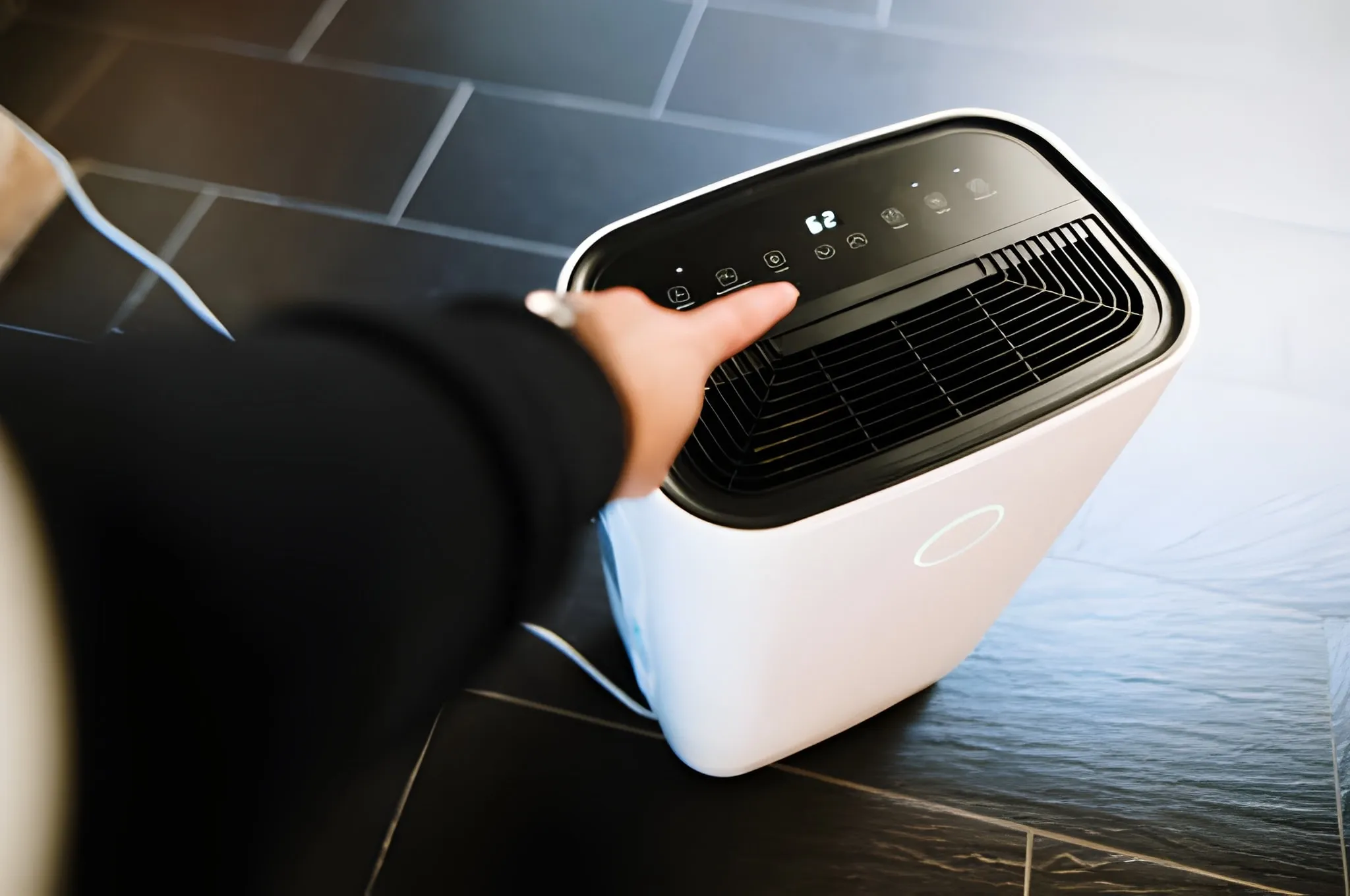
Whole House Dehumidifiers in Silver Spring, MD
Keeping indoor humidity in the recommended range is one of the most effective ways to protect your Silver Spring home from mold, musty odors, and damage to wood finishes and electronics. A properly sized and installed whole house dehumidifier controls moisture continuously, improving comfort and indoor air quality while reducing strain on your HVAC system. This page explains why whole‑home dehumidification matters in Silver Spring, MD, how systems are selected and installed, common problems and fixes, energy and maintenance considerations, and what you can expect after installation.
Why a whole house dehumidifier in Silver Spring, MD matters
Silver Spring sits in the Mid‑Atlantic humid climate zone. Summers are muggy and basements, lower levels, and older homes often retain moisture year‑round. High indoor relative humidity (RH) above 60% promotes mold growth, dust mite proliferation, warped hardwood floors, peeling paint, and increased corrosion. Whole house dehumidifiers provide centralized control to maintain RH in the recommended 40–50% range, preventing these problems and improving perceived comfort without overcooling the home.
Common whole‑house dehumidifier issues in Silver Spring, MD
- Mold and musty odors in basements, crawlspaces, or closets
- Condensation on windows and cold water pipes during late spring and summer
- Warped or cupped hardwood floors and damaged finishes
- Allergies and respiratory irritation linked to dust mites and mold spores
- HVAC short‑cycling or excessive runtime because of excess latent load
Types of whole house dehumidifiers and how to choose
- Ducted refrigerant dehumidifiers (most common for homes): Installed in the return or supply ductwork, these extract moisture by cooling a refrigeration coil and collecting condensate. They are sized for capacity (pints per day or gallons per 24 hours) based on home square footage, insulation, number of occupants, and moisture sources (basement, laundry, bathroom use).
- Fan‑powered vs. bypass models: Fan‑powered units actively move air through the unit and keep airflow independent of the HVAC fan. Bypass models rely on the HVAC blower to move conditioned air through the dehumidifier and can be more economical if airflow is adequate.
- Desiccant dehumidifiers: Less common in typical Maryland homes, they use a drying medium rather than refrigeration and can perform better at lower temperatures or in very tight spaces.
- Integrated coil dehumidification: Some modern HVAC systems remove moisture at the evaporator coil; this can help but often lacks capacity for homes with high humidity loads.
Choosing the right unit requires a moisture load calculation that accounts for Silver Spring’s humid summers, basement conditions, number of occupants, and local ventilation patterns. Capacity selection is expressed in pints per day (or liters/day). Undersizing leads to persistent humidity; oversizing wastes energy.
Integration with HVAC ductwork and condensate handling
- Placement: Most whole‑house units are mounted in the return duct, equipment closet, or a mechanical room near existing HVAC equipment to minimize duct runs and maintain good airflow.
- Duct connections: Properly sized inlet and outlet connections and attention to static pressure ensure the HVAC system continues to perform efficiently. Improper installation can reduce airflow, lowering the dehumidifier and air handler performance.
- Condensate management: Collected water must be routed to a floor drain, utility sink, or exterior discharge. If gravity drainage is not possible, a condensate pump is installed. Condensate lines should be routed to code‑approved disposal points and protected from freezing during winter.
- Electrical and controls: Whole‑house units require a dedicated electrical circuit and a compatible control strategy—either a standalone humidistat, integration with a smart thermostat, or connection to the HVAC control board for coordinated operation.
The installation process: what to expect
- Site assessment and load calculation: Technician measures spaces, reviews basement condition, and evaluates current HVAC capacity.
- Unit selection: Capacity and model are chosen for the home’s moisture load and duct layout.
- Preparation: Space is readied—clearance verified, duct openings marked, and condensate routing planned.
- Mechanical installation: Unit mounted, ducts connected, electrical wired, and condensate drain or pump installed.
- Commissioning and balancing: System is tested, humidity setpoints verified, and airflow adjusted so the dehumidifier and HVAC work together without creating pressure problems.
- Owner orientation: Controls, recommended setpoints, and routine maintenance tasks are explained.
Energy use and efficiency
Whole‑house dehumidifiers add electrical load but can improve overall HVAC efficiency by reducing latent load (the moisture the air handler must remove). Look for units with variable‑speed compressors and efficient ECM fans that deliver better moisture removal per kWh. Coordinated controls that only run the dehumidifier when needed (rather than continuous operation) minimize energy use. In Silver Spring, using a dehumidifier during hot, humid months often reduces AC runtime because the air feels comfortable at a slightly higher temperature when humidity is controlled.
Maintenance and filter care
Regular maintenance keeps performance steady and prevents failures:
- Monthly: Check and clean or replace the unit’s air filter. A clogged filter reduces airflow and performance.
- Quarterly: Inspect condensate lines and the condensate pan for clogs, algae, or standing water; clear as needed.
- Annually: Professional inspection to check refrigerant charge, coil cleanliness, fans, electrical connections, and control calibration. Technicians can also verify drainage, electrical safety, and airflow balance.
- As needed: If the unit serves a basement with frequent laundry or significant moisture sources, increase inspection frequency.
Common problems and solutions
- Insufficient moisture removal: Often due to undersized unit, blocked airflow, or a clogged condensate line. Solution: verify sizing, clean filters and coils, and check duct connections and drains.
- Short cycling: Caused by incompatible controls or overly tight humidity settings; resolved by adjusting control strategy or adding a dedicated humidistat.
- Noisy operation: Fan or mounting vibration issues; ensure unit is properly isolated on rubber pads and fans are balanced.
- Frozen coils: Can happen in cool basements with low supply temperatures—address with proper unit placement or models designed for low‑temperature operation.
Expected outcomes for humidity control in Silver Spring homes
With correct sizing, professional installation, and regular maintenance, a whole house dehumidifier will:
- Maintain indoor RH consistently in the 40–50% range through Silver Spring’s humid months
- Reduce visible and hidden mold risk, musty odors, and allergen load
- Protect wood floors, cabinetry, painted surfaces, and electronics from moisture damage
- Improve comfort without overcooling rooms, potentially lowering perceived AC load
- Deliver predictable performance when integrated and balanced with your HVAC system
A whole‑home dehumidifier is an investment in durability, comfort, and indoor air quality—especially valuable for Silver Spring homes with humid basements, older construction, or recurring condensation problems. Regular maintenance and correct integration are the keys to reliable, energy‑smart humidity control year after year.

Service areas