


Whole House Dehumidifiers in Edgewood, MD
Whole house dehumidifiers in Edgewood, MD, provide centralized humidity control for basements, crawlspaces, and living areas. We'll help you understand when a whole-home unit is the best choice over portable options, how to size and integrate it with your existing HVAC system, and the installation and drainage methods that ensure reliable operation. With Tario HVAC, you'll learn about energy efficiency, routine maintenance, and the health and structural benefits of controlling excess moisture, empowering you to protect your home, improve air quality, and reduce long-term humidity-related damage.
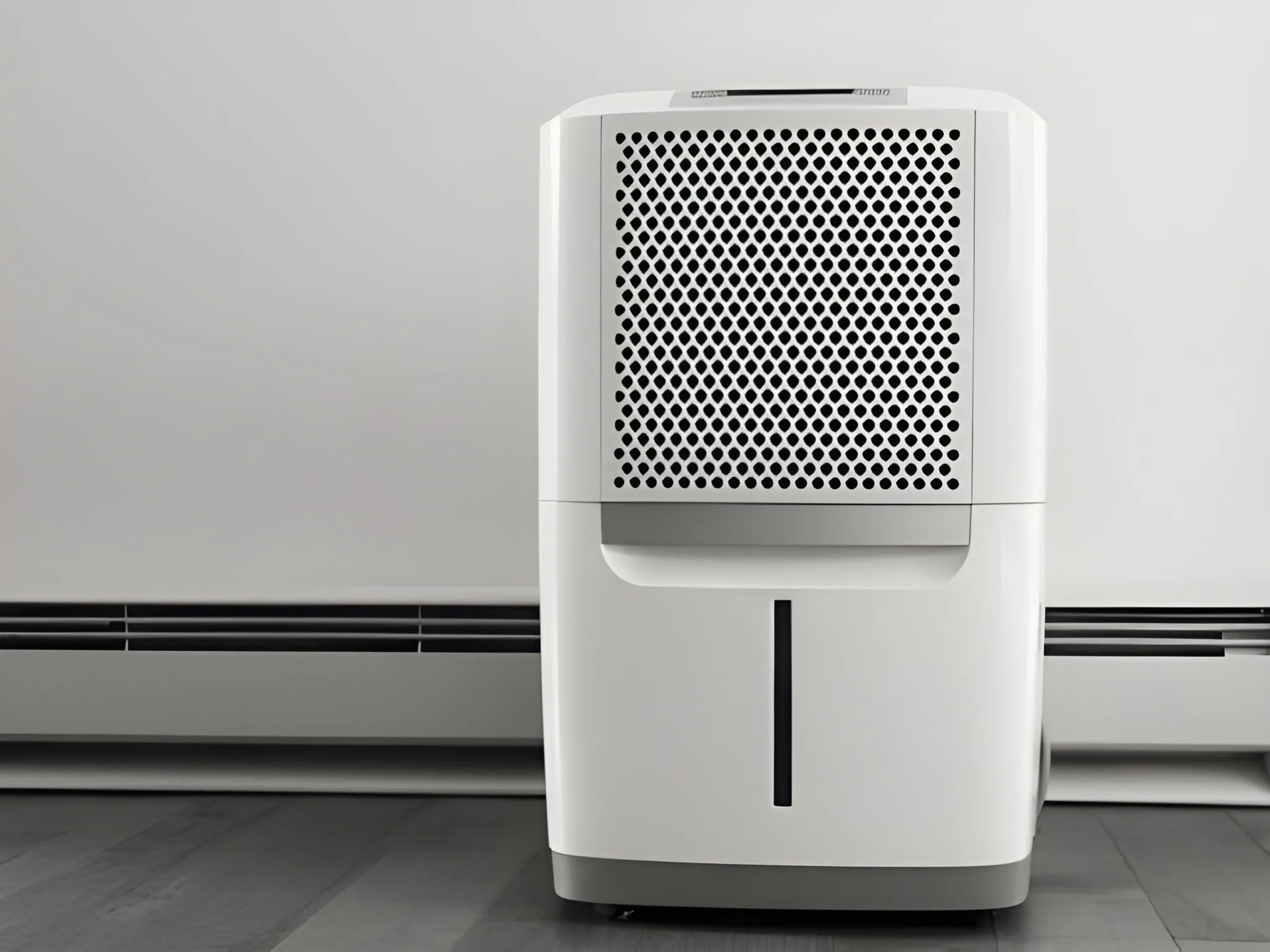
Whole House Dehumidifiers in Edgewood, MD
Excess indoor humidity is one of the most common comfort and structural problems in Edgewood, MD. Humid summers and occasional coastal influence from the Chesapeake Bay raise indoor relative humidity levels, especially in basements, crawlspaces, and older homes with limited ventilation. A whole house dehumidifier is designed to control moisture for the entire home, preventing mold, musty odors, wood rot, and reduced HVAC efficiency. This page explains when a whole-home unit is the right choice, how sizing and integration work, installation and drainage options, energy considerations, maintenance, and the health and structural benefits specific to Edgewood homes.
When to choose a whole-home unit vs portable models
Whole-house dehumidifiers are the right option when humidity problems affect multiple rooms, or when long-term moisture control is needed without moving a unit around.
- Choose a whole-house dehumidifier if:
- Multiple living areas, basement, and crawlspace experience high relative humidity (above 50 to 55 percent).
- You want a permanent solution integrated with your HVAC for automatic, centralized control.
- Portable units in basements are noisy, require frequent emptying, or cannot keep up during humid spells.
- Portable units may be appropriate when:
- You need a temporary or localized fix for a single room.
- Home size or layout prevents effective whole-house integration.
- Budget constraints or rental situations make permanent installation impractical.
Sizing and capacity selection
Correct sizing ensures reliable humidity control without unnecessary energy use.
- Capacity is usually listed in pints per day (pints of water removed at standard test conditions). For whole-house systems, capacities commonly range from 30 to over 100 pints per day.
- Factors to consider:
- Home square footage and finished attic/basement area.
- Number of occupants and typical activities that generate moisture (cooking, showers, laundry).
- Current indoor RH and outdoor humidity typical in Edgewood summers.
- Insulation, air sealing, and ventilation levels.
- Rule of thumb starting point:
- 1,000 to 1,500 sq ft with mild humidity: 30 to 50 pints/day.
- 1,500 to 2,500 sq ft or moderate humidity: 50 to 70 pints/day.
- Larger homes, basements, or high humidity: 70 to 100+ pints/day.
- A professional load calculation that considers Edgewood seasonal humidity and your home’s envelope produces the most reliable sizing recommendation.
Integration with existing HVAC
A whole-house dehumidifier can work with your current forced-air system or operate as a standalone ducted unit.
- Common integration approaches:
- Plenum-mounted units: installed on the supply or return plenum of the furnace or air handler for centralized distribution.
- Ducted units: connected to the duct system with dedicated supply and return or combined into existing ducts.
- Standalone ducted systems: used where furnace integration is not possible.
- Controls and automation:
- Dedicated humidistats allow precise RH setpoints, typically 40 to 50 percent for comfort and mold prevention.
- Integration with the HVAC control board or thermostat allows dehumidification to run independently of cooling, preventing overcooling while reducing humidity.
- Many systems work with energy recovery ventilators or ERVs to balance fresh air and moisture control.
Basement and crawlspace solutions
Basements and crawlspaces are the most vulnerable areas in Edgewood homes due to seasonal groundwater and poor ventilation.
- Benefits of whole-house or dedicated basement dehumidifiers:
- Stable RH levels that inhibit mold growth on framing, stored items, and finishes.
- Reduce musty odors and protect HVAC equipment located in basements.
- Protect finishes, furniture, and insulation from moisture damage.
- Placement tips:
- Position near the center of the problem area or near a return duct when integrated with the HVAC.
- Ensure clearance for airflow and service access.
- For crawlspaces, consider sealed crawlspace solutions combined with dehumidification to control ground moisture and radon concerns.
Installation and drainage options
Installation should follow local code and best practices to ensure safe, effective operation.
- Electrical and clearances:
- Dedicated 120V or 240V circuit may be required depending on unit size.
- Follow manufacturer clearances for airflow and service access.
- Drainage options:
- Gravity drain to floor drain or exterior: simplest when elevation allows.
- Condensate pump: required when gravity drain is not available; pumps water to a nearby sink, sump, or exterior discharge point.
- Sump integration: routing condensate to the sump pit is common in basements; ensure proper check valves and backflow prevention per local code.
- Condensate safety switch: recommended to prevent overflow if the primary drain clogs.
- Location and noise:
- Locate unit where noise and vibration impact are minimized, such as mechanical closets or basements.
- Use vibration isolation pads and secure duct connections.
Energy use and efficiency
Modern whole-house systems are designed to be efficient and minimize operating cost in the Edgewood climate.
- Efficiency factors:
- Seasonal humidity and runtime determine energy use more than unit nameplate power.
- Variable-speed compressors and fans adjust output to meet demand without cycling, improving efficiency.
- Look for units with higher moisture removal efficiency and controls that prevent unnecessary operation.
- Savings and HVAC synergy:
- Proper humidity control reduces cooling load perception, allowing slightly higher thermostat settings without sacrificing comfort.
- Dehumidifiers that work with the HVAC system avoid unnecessary cooling cycles and lower overall energy use when balanced correctly.
Maintenance tips and filter care
Routine maintenance keeps the system reliable and extends service life.
- Regular tasks:
- Clean or replace the air filter per manufacturer instructions, usually every 3 months or more often in dusty conditions.
- Inspect and clean the coil and condensate pan annually to prevent mold and blockages.
- Flush condensate lines periodically to prevent algae buildup.
- Test float switches and condensate pumps during service visits.
- Check controls and recalibrate the humidistat if needed.
- Annual professional service:
- A qualified technician should test system performance, refrigerant levels, and airflow each year to ensure peak efficiency.
Health and structural benefits of controlling excess humidity
Controlling indoor humidity yields clear benefits for Edgewood homes, families, and property value.
- Health improvements:
- Reduced mold and dust mite populations lower allergy and asthma triggers.
- Elimination of musty odors improves indoor air quality and comfort.
- Structural and material protection:
- Protects wood framing, floors, and trim from swelling, warping, and decay.
- Prevents paint and wallpaper from peeling and reduces corrosion on metal fixtures.
- Comfort and HVAC performance:
- Lower relative humidity makes the home feel cooler and allows for comfortable thermostat settings without overcooling.
- Stabilized humidity reduces condensation on windows and structural surfaces, preventing long-term damage.
Whole house dehumidifiers in Edgewood, MD provide a long-term, energy-conscious solution for the region’s seasonal humidity challenges. Proper sizing, HVAC integration, thoughtful installation, and routine maintenance deliver measurable health, comfort, and structural benefits for homeowners dealing with persistent moisture issues.

Service areas