



Whole House Dehumidifiers in Crofton, MD
Crofton, MD residents can effectively address persistent humidity with whole-house dehumidifiers from Tario HVAC, designed to work seamlessly with existing HVAC systems. Tario HVAC explains precisely why controlling indoor moisture at the source dramatically reduces mold risk, expertly protects wood and finishes, and significantly improves comfort, especially during humid summers. We compare ducted versus standalone units, outlining proper sizing based on your home's layout and climate, and detailing all installation and maintenance steps. Tario HVAC emphasizes flawless integration with your current controls and efficient condensate drainage. Our proper sizing and professional installation deliver energy-efficient, reliable humidity management, leading to healthier homes for years to come.
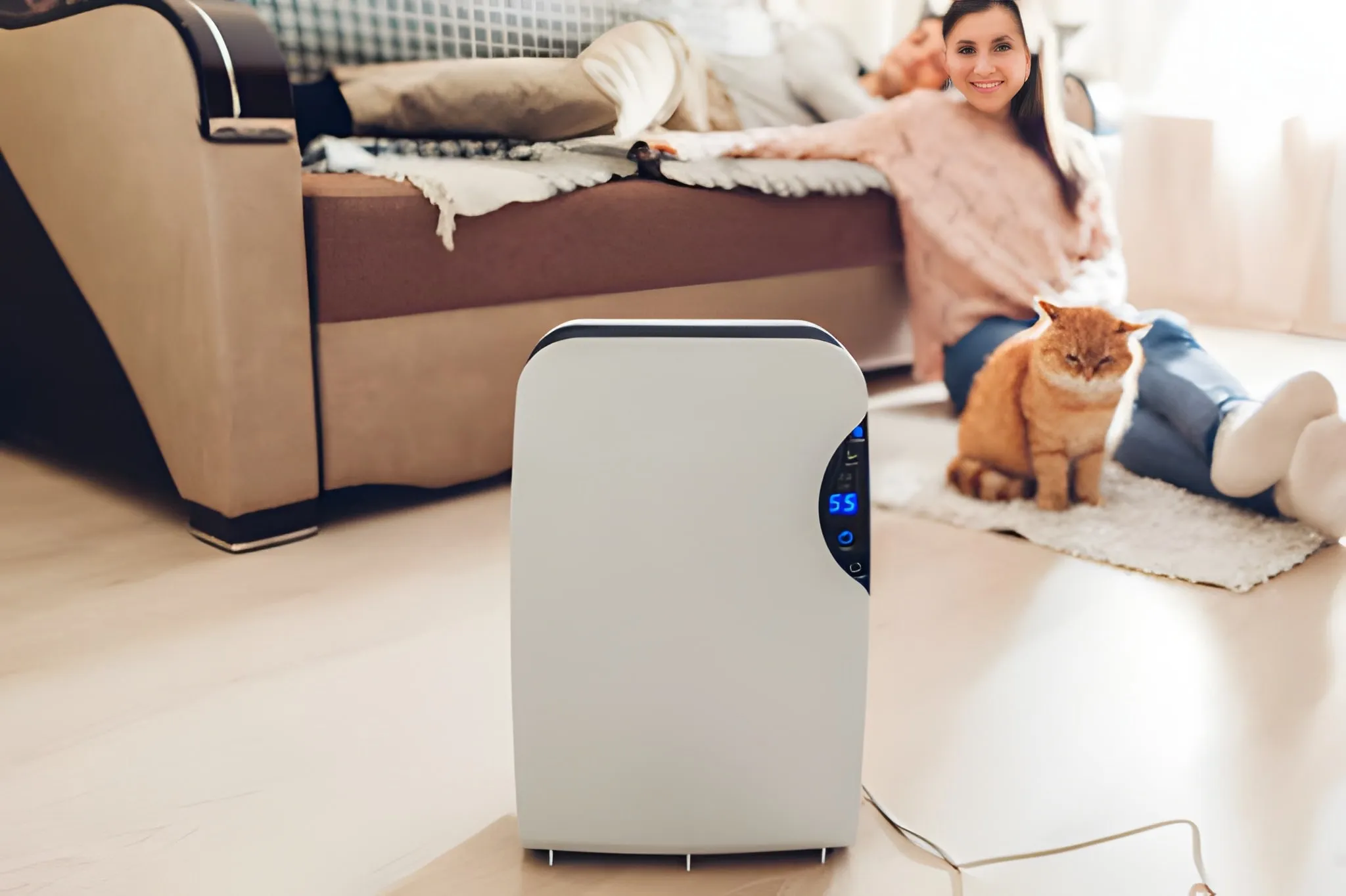
Whole House Dehumidifiers in Crofton, MD
High indoor humidity is one of the most common comfort and health problems in Crofton, MD. Summers are humid, and many homes near the Chesapeake Bay experience lingering moisture in basements, crawlspaces, and older duct systems. A whole house dehumidifier is a targeted, long-term solution to control relative humidity throughout your home, prevent mold and mildew, protect wood and finishes, and improve overall comfort without overworking your air conditioner.
Why a whole house dehumidifier for Crofton homes
Crofton’s climate—with warm, muggy summers and frequent humidity through spring and fall—creates conditions where indoor relative humidity routinely rises above recommended levels. High indoor humidity leads to:
- Musty odors and visible mold growth in basements, closets, and bathrooms.
- Condensation on windows and cold surfaces, which accelerates paint and trim deterioration.
- Increased dust mite and mold allergen activity, affecting indoor air quality.
- Longer cooling runtimes as air conditioners struggle to remove moisture.
A whole house dehumidifier controls humidity at the source, keeping indoor relative humidity in the ideal range of 40 to 50 percent. That level reduces mold risk, improves perceived comfort, and protects building materials and furnishings.
Common whole-house dehumidifier issues in Crofton, MD
Homeowners typically notice one or more of the following symptoms before deciding on a whole house system:
- Persistent damp or musty odors in basements and lower levels.
- Visible condensation on windows and pipes during warm months.
- Peeling paint, efflorescence, or water stains on foundation walls.
- Allergies or respiratory symptoms worsening during humid months.
- HVAC running frequently but humidity remaining high, especially in shoulder seasons when AC doesn’t run long enough to dehumidify.
Ducted vs standalone whole house units — what’s the difference
- Ducted whole house dehumidifiers integrate with your existing HVAC ductwork and treat the entire home through the central system. They can be installed in the furnace/air handler closet, attic, or mechanical room and pull return air from the system for dehumidification.
- Standalone or ductless whole house units are packaged systems that may require their own supply and return ducts or use localized ducting. They are useful where central HVAC integration is impractical.
Ducted systems generally offer seamless, quieter operation and centralized maintenance. Standalone systems can be a flexible alternative for homes with unconventional duct layouts or where compressor placement needs to be separate from the main HVAC equipment.
System sizing for basements and humid climates
Correct sizing matters more than brand. Dehumidifier capacity is measured in pints per day (or liters per day) and should be chosen based on:
- Home square footage and ceiling height.
- Baseline air leakage and insulation quality.
- Presence of high-moisture areas like an unfinished basement, crawlspace, or attached garage.
- Local climate factors; Crofton’s humid summers and occasional heavy rains raise moisture loads.
Basements often require a dedicated approach: unfinished basements, even in finished basements with carpets, typically need higher capacity and continuous drainage. A HVAC professional will perform a moisture load assessment, factoring in indoor humidity targets and outdoor conditions typical for Crofton, to recommend the correct capacity and airflow (CFM).
Integration with existing HVAC
Whole house dehumidifiers can work alongside your existing heating and cooling system in several ways:
- Inline dehumidifier installed in the return or supply plenum of the air handler, using HVAC fan operation to circulate air.
- Dedicated dehumidifier with its own fan and ducting but tied into the home’s control system via a humidistat or integrated control board.
- Controls that allow independent dehumidification when the AC is off, useful during cooler, humid spring and fall days.
A professional will ensure controls prevent conflicts between the dehumidifier and your thermostat, optimizing runtime so the dehumidifier operates when needed without unnecessary energy use.
Condensate handling and placement
Whole house systems remove large volumes of water that must be drained safely. Options include:
- Gravity drain to an existing floor drain or sump pit.
- Condensate pump to move water to a sink, laundry drain, or exterior location.
- Hard plumbed connection to a utility drain or sewage line where available.
Proper placement also reduces noise and simplifies maintenance. Typical installations are in basements, utility closets, or mechanical rooms with convenient drainage and service access.
Energy considerations and efficiency
Whole house dehumidifiers consume power, but modern units are designed for efficiency:
- Look for units with variable-speed fans and compressors that adjust output to actual moisture load.
- Built-in humidistats allow precise control to maintain target RH without overrunning.
- Running a properly sized dehumidifier can reduce total HVAC energy use by allowing the cooling system to run more efficiently and at higher setpoints while maintaining comfort.
- Cold-weather capability matters if you need dehumidification during cooler Maryland shoulder seasons; low-temperature operation prevents coil freezing and ensures year-round performance.
An energy-efficient whole house unit that is properly integrated will typically be more economical and effective than relying on window or portable dehumidifiers running in multiple rooms.
Installation and maintenance guidelines
Professional installation ensures correct airflow, refrigerant and electrical work, and condensate management. Typical steps include:
- Load and size assessment based on home layout and Crofton climate patterns.
- Selection of placement with access to ductwork and drainage.
- Proper connection to the HVAC system or standalone ducting.
- Commissioning and humidistat calibration to target the 40 to 50 percent range.
Maintenance keeps performance high:
- Check and clean or replace any air filters every 1 to 3 months depending on use.
- Inspect condensate drains and pumps regularly to prevent clogging.
- Annual inspection of coils and refrigerant charge to maintain efficiency.
- Periodic verification of humidity readings in multiple rooms to confirm balanced performance.
Expected results and benefits
After proper installation and commissioning you can expect:
- Noticeable reduction in musty odors and mold risk within days to weeks as surfaces dry and mold spores become less active.
- Fewer visible condensation problems on windows and cold surfaces.
- Improved comfort with reduced stickiness without lowering thermostat setpoints excessively.
- Protection of wood floors, trim, and stored belongings from moisture damage.
- Reduced allergy triggers from dust mites and mold, improving indoor air quality.
Whole house dehumidification is a long-term investment in comfort, home preservation, and indoor air quality—especially relevant in Crofton, MD where seasonal and summer humidity is a persistent concern. Proper sizing, professional integration with your HVAC, and routine maintenance deliver reliable, energy-smart results that protect your home and health.

Service areas
