

Whole House Dehumidifiers in Alexandria, VA
Whole-house dehumidification, provided by Tario HVAC, offers a practical, long-term solution for effective moisture control in Alexandria homes. This is especially crucial where basements, older construction, or persistent summertime humidity lead to ongoing problems. With Tario HVAC, you get regular maintenance, professional sizing, and seamless integration, ensuring your system remains effective and reliable for year-round indoor comfort and optimal building health.
Whole House Dehumidifiers in Alexandria, VA
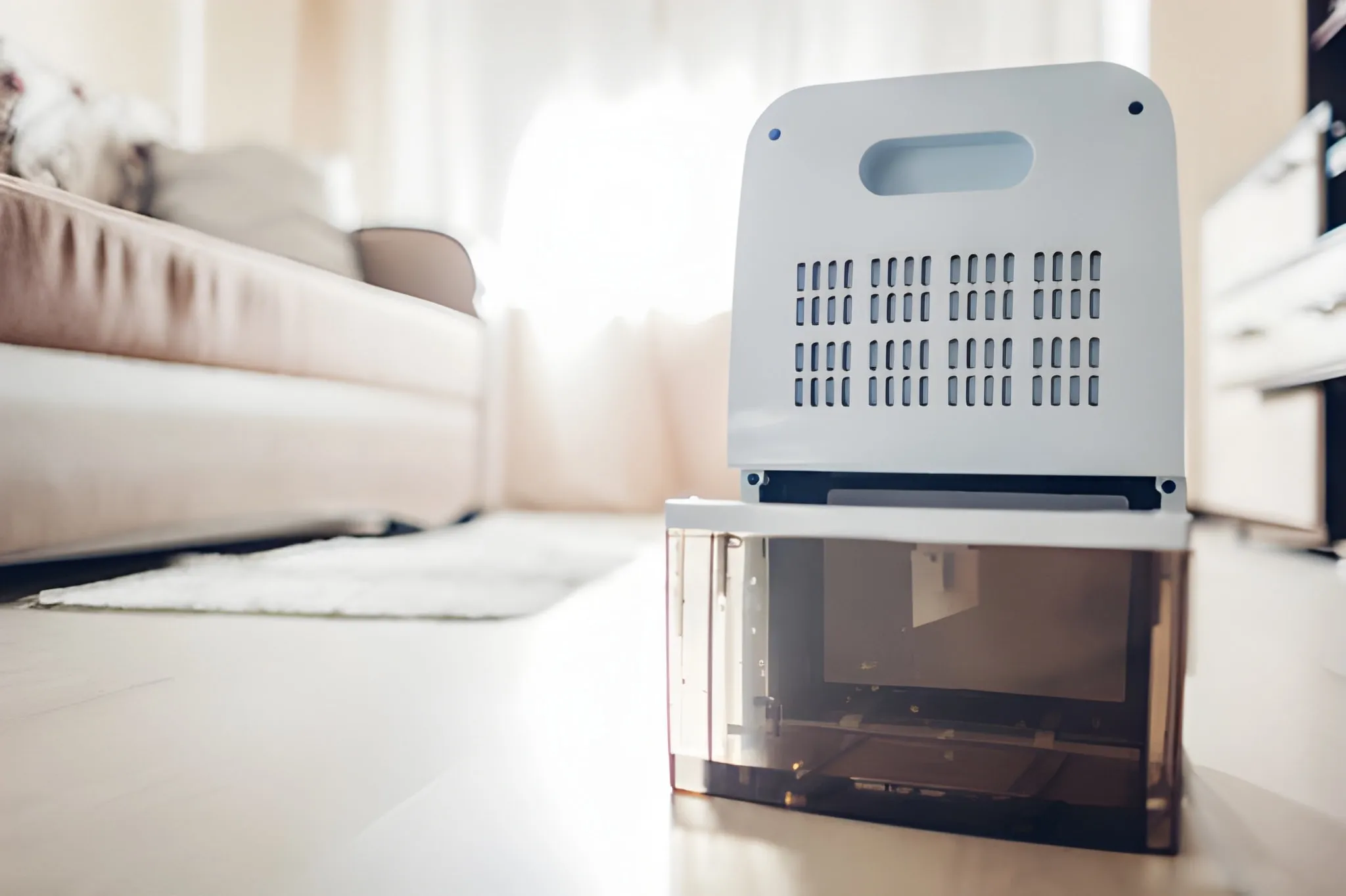
High humidity is one of the most common comfort and building-health problems in Alexandria, VA. Warm, humid summers and older brick or rowhouse construction create conditions where basements, crawlspaces, closets, and living spaces hold excess moisture. A properly sized whole house dehumidifier reduces mold and mildew, protects wood floors and historic trim, and makes your home feel cooler without overworking the air conditioner. This page explains when whole-house dehumidification is recommended, how whole-home systems differ from portable units, sizing and integration with existing HVAC ductwork, the typical installation process, energy and drainage options, routine maintenance, and the real outcomes you can expect in Alexandria homes.
When a whole-house dehumidifier is recommended
Whole-house dehumidifiers are best when moisture problems are not limited to a single room or when portable units are inconvenient or ineffective.
Common indications in Alexandria homes:
- Basements or crawlspaces with musty odors, visible mold, or damp foundation walls.
- Condensation on windows, especially in the cooler months or during high humidity spells.
- Allergies or asthma worsened by mold and dust mite growth.
- Older homes with limited ventilation and higher air infiltration from the Potomac corridor or nearby tidal areas.
- Homeowners who want a single, automated solution that protects the entire living space and finishes.
Whole-home vs portable dehumidifiers: key differences
Why choose a whole-house dehumidifier over one or more portable units?
- Coverage: Whole-home systems control humidity for the entire house, not just single rooms.
- Continuous operation: Designed for long-term, low-maintenance use with automatic humidity control.
- Integration: Can be installed in the HVAC return plenum so conditioned air is dehumidified and distributed through existing ducts.
- Noise and aesthetics: Typically quieter and out of sight in a mechanical room, basement, or garage.
- Energy and efficiency: Larger systems run more efficiently for whole-home loads than multiple portable units running simultaneously.
- Drainage and capacity: Built for continuous condensate management and larger moisture removal capacities.
Portable dehumidifiers still work well for single-room issues, temporary remediation, or where installation is not practical, but they require frequent emptying or separate condensate solutions and may struggle in high-load seasons.
System sizing and factors that matter in Alexandria
Sizing a whole-house dehumidifier is more than square footage. Proper sizing ensures reliable humidity control without short-cycling or unnecessary energy use.
Factors used to size systems:
- Home square footage and ceiling height.
- Insulation, window types, and air leakage typical in older Alexandria homes.
- Number of occupants and occupant activities that generate moisture (cooking, showers, laundry, indoor plants).
- Presence of basements, crawlspaces, or attached garages that introduce extra moisture.
- Local climate: Alexandria’s hot, humid summers and occasional high-dew-point days increase moisture load substantially.
A professional will calculate the moisture load and recommend a system rated for whole-house capacity (often expressed in pints per day or liters per day). Correct sizing avoids common problems like inadequate dehumidification or excessive energy use.
Integration with existing HVAC ductwork
Whole-house dehumidifiers can integrate in several ways depending on your HVAC layout and space availability.
Common integration options:
- Return-plenum installation: unit mounted in the return air plenum or close to the air handler so dehumidified air is circulated through the central system.
- Dedicated ducted unit: connects to its own supply and return runs to control specific zones.
- Standalone basement or mechanical-room installation with a duct or fan-assisted distribution.
Key integration considerations:
- Proper airflow and static pressure compatibility with your furnace or air handler.
- Electrical supply and control wiring, often tied into existing thermostat/humidity control.
- Condensate drainage route and access for maintenance.
- Avoiding control conflicts between humidistat and thermostat; controls should be coordinated to maintain comfort and efficiency.
Installation process
A typical installation includes:
- Inspection and load assessment to determine the right capacity and placement.
- Selection of a unit sized for your home and moisture load.
- Mechanical installation: mounting the unit, connecting to return plenum or ducts, and sealing connections to prevent duct leaks.
- Electrical and control wiring to power the unit and integrate a humidity control or the existing thermostat.
- Condensate routing: gravity drain to floor drain, tie-in to HVAC drain lines, or installation of a condensate pump if needed.
- Commissioning and testing: verify airflow, setpoints, and drainage; measure baseline humidity to confirm performance.
Installations in Alexandria often require attention to older basements and limited drain availability, so planning the condensate path is critical.
Energy use and drainage options
Energy use
- Whole-house dehumidifiers add electrical load but can reduce overall HVAC runtime by lowering indoor humidity and perceived temperature.
- More efficient units are designed to remove more moisture per kWh. Selecting a properly sized, high-efficiency model reduces operating costs over time.
Drainage options
- Gravity drain to floor drain or utility sink when elevation permits.
- Condensate pump for locations without a convenient low drain, common in slab-on-grade or finished basements.
- Tie-in to the HVAC condensate line when coordinated during installation.
Proper drainage design prevents standing water, freeze issues in winter, and condensate pump failures that are common causes of system downtime.
Maintenance and filter care
Routine care keeps the system performing and protects home health:
- Change or clean the unit filter per manufacturer guidance, typically every 3 months or as recommended.
- Inspect condensate lines and traps seasonally for clogs or algae buildup; flush if needed.
- Test condensate pump operation if installed; replace worn pumps proactively.
- Clean the coils and drain pan annually to remove dust and biofilm.
- Recalibrate or check humidistat settings to maintain target relative humidity (generally 45 percent or lower for mold prevention in Alexandria).
Annual professional service is recommended to inspect controls, electrical connections, and airflow balance.
Common issues and troubleshooting
- Improper sizing: under-sized units cannot keep up in peak humidity; over-sized units short-cycle and may not remove sufficient moisture from the air.
- Poor drainage: clogged drains or failing pumps cause leaks or shutdowns.
- Control conflicts: independent humidistats must be coordinated with HVAC controls to avoid fighting the air conditioner.
- Airflow restrictions: dirty filters, closed vents, or incompatible fan speeds reduce effectiveness.
Knowing these issues helps you prioritize correct installation and routine maintenance for reliable performance.
Outcomes you can expect in Alexandria homes
With a properly selected and installed whole-house dehumidifier you can expect:
- Reduced mold and mildew growth on walls, ceilings, and in basements.
- Fewer musty odors and less visible condensation on windows.
- Improved comfort with less reliance on excessive air conditioning.
- Protection for wood floors, historic trim, and stored belongings from moisture damage.
- Potentially lower energy use from the air conditioner during peak summer months because dehumidified air feels cooler at higher thermostat setpoints.

Service areas