

Whole House Air Purifiers in Stevensville, MD
Whole-house air purifiers in Stevensville, MD provide comprehensive indoor air cleaning for every single room in your home. We at Tario HVAC will outline powerful options like in-duct HEPA systems, UV germicidal lights, activated carbon filters, and electronic purifiers, detailing their targets, performance notes, and ideal use scenarios. We cover professional installation and placement, precise system sizing, common issues, essential maintenance schedules, and ensuring compatibility with your existing HVAC equipment. You'll learn how continuous filtration effectively reduces pollen, smoke, odors, and microbes, and how Tario HVAC helps you achieve measurable improvements in comfort and respiratory health year-round.
.webp)
Whole House Air Purifiers in Stevensville, MD
Clean indoor air is one of the most effective ways to protect family health and comfort in Stevensville, MD. Whole house air purifiers treat the air throughout your home, not just a single room, reducing allergens, smoke, odors, volatile organic compounds, and microbes. For homeowners on Kent Island and surrounding areas, whole home filtration matters year round because of seasonal pollen, humid summers that promote mold, and occasional smoke transport from regional wildfires or local boating and grilling. This page explains your options, what each technology targets, installation and placement guidance, expected improvements, routine maintenance, and compatibility with existing HVAC systems.
Why whole house air purification matters in Stevensville, MD
Stevensville experiences high spring and early summer pollen counts, humid summers that increase mold and dust mite activity, and periodic smoke events that raise fine particle concentrations. Salt air and wood smoke add unique odor and particle loads in coastal communities. A whole house approach filters return air from every room through your HVAC system so filtration is continuous and uniform. That means fewer hot spots, less settling dust, and consistent reduction of airborne triggers that aggravate asthma, allergies, and general respiratory discomfort.
Common whole house air purifier options and what they remove
Below are the primary whole home technologies, with a practical summary of what each targets and typical performance notes.
- HEPA in-duct systems
- Targets: Allergens (pollen, pet dander), dust, fine particles, some smoke particulates.
- Performance: True HEPA media captures 99.97% of particles 0.3 micron in size when operated as designed. In-duct HEPA requires space and attention to static pressure to avoid reducing HVAC airflow.
- Best for: Homes with allergy or asthma concerns and for reducing PM2.5 from smoke.
- UV germicidal lights
- Targets: Microbes on coils and in the airstream, including bacteria, viruses, and mold spores.
- Performance: UV-C reduces microbial growth on HVAC coils and can reduce airborne microbes when sized correctly. Effectiveness depends on exposure time and bulb intensity.
- Best for: Homes with recurring mold odor, high humidity, or immune-compromised occupants.
- Activated carbon filters and beds
- Targets: Odors, VOCs (cleaning products, off-gassing furniture), smoke gases.
- Performance: Carbon adsorbs many gases and smells; life depends on pollutant load and carbon surface area. Not efficient for removing particles by itself.
- Best for: Homes with persistent cooking odors, boat exhaust, or chemical smells.
- Electronic purifiers (ionizers, electrostatic precipitators)
- Targets: Fine and ultrafine particles, smoke, some allergens.
- Performance: Can be very effective at particle removal but some types produce ozone as a byproduct. Regular cleaning of collector plates is required.
- Best for: Situations where space constraints or very small particle removal is a priority, but choose low-ozone certified models.
Common whole house air purifier issues in Stevensville and how they are diagnosed
- Reduced airflow after retrofit: Often caused by high-efficiency filters or HEPA media increasing static pressure. Diagnose with HVAC static pressure measurement and airflow tests.
- Frequent filter loading in high-pollen seasons: Inspect return grille cleanliness and confirm prefilter use; consider higher-capacity prefilters or more frequent changes.
- UV lamps that seem ineffective: UV bulbs weaken over time. Test lamp output and check placement; lamps work best when installed near coils and in the airstream path.
- Odors persist despite filtration: Likely inadequate activated carbon capacity or source control issue. Evaluate pollutant sources and consider larger carbon beds or targeted source mitigation.
Installation and placement guidance
- In-duct vs standalone: In-duct whole house units integrate into the return air plenum or main duct run for whole-home coverage. Standalone units or duct-mounted modules can be used where in-duct HEPA is not feasible.
- Placement for best performance:
- HEPA modules: Install in the return plenum or upstream of the air handler with adequate space and a compatible housing to control static pressure.
- UV germicidal lights: Mount near the evaporator coil and drain pan to control microbial growth and improve coil efficiency.
- Activated carbon: Place in a dedicated canister or media cabinet in the return path where air velocity allows contact time.
- Electronic collectors: Install in an access panel with easy access for cleaning and in a dry, corrosion-protected location given Stevensville coastal humidity.
- System sizing: Match airflow capacity to the HVAC fan. Oversized media or excessive restriction will reduce system airflow and comfort. Consider upgraded fan motors or bypass housings when adding high-efficiency media.
Expected health and indoor air quality improvements
- Allergy and asthma symptom reduction: Continuous HEPA filtration and regular air changes lower airborne allergen levels, often reducing symptoms for sensitive occupants.
- Lower PM2.5 and smoke exposure: Properly sized HEPA plus activated carbon will reduce fine particles and associated smoke odor, improving indoor air during regional smoke events.
- Reduced mold growth and odors: UV lights reduce microbial growth on coils and in ductwork, and dehumidification improvements reduce mold risk during humid Maryland summers.
- Improved overall comfort: Less dust settling, fewer odors, and more consistent air quality contribute to perceived indoor comfort and may reduce cleaning frequency.
Maintenance and filter replacement
- HEPA/High-efficiency media: Inspect every 3 months; replace typically every 9 to 12 months depending on use and local conditions. In high-pollen or smoke seasons, replacement may be sooner.
- Prefilters: Replace or clean monthly to protect downstream media and maintain airflow.
- Activated carbon: Replace every 6 to 12 months depending on pollutant load and carbon volume.
- UV bulbs: Replace annually or per manufacturer output recommendations; clean quartz sleeves periodically to maintain intensity.
- Electronic collectors: Clean collector plates monthly to quarterly depending on loading; ensure collectors are in corrosion-resistant housings in coastal environments.
- Annual inspection: Have the integrated HVAC and purifier system inspected yearly to monitor static pressure, fan performance, and any corrosion issues common to coastal Maryland homes.
Compatibility with existing HVAC systems
- Check space and static pressure: Many older Stevensville homes have furnaces or air handlers designed for standard filters. Adding HEPA or dense media may require a larger plenum, a fan upgrade, or a purpose-built in-duct air cleaner housing.
- Duct condition and sealing: Effective whole house purification works best with tight ductwork. Inspect ducts for leaks, seal gaps, and ensure returns are adequate so filtration covers all living spaces.
- Zoning and balances: Homes with multiple zones or variable-speed systems need tailored solutions. Verify that the purifier will operate correctly across all fan speed settings.
- Corrosion and humidity considerations: Choose housings and components rated for coastal, humid environments. Electronic components and metal housings should be corrosion-resistant or treated.
Selecting the right whole house air purifiers in Stevensville, MD means balancing particle and gas removal needs with HVAC compatibility and ongoing maintenance. For coastal and humid climates, prioritize humidity control, corrosion-resistant components, and appropriate activated carbon capacity for odor and VOC control. Well-designed whole home systems deliver measurable indoor air quality improvements, reduce health triggers, and make indoor living areas more comfortable year round. Regular maintenance and correct sizing are essential to sustain performance and protect HVAC equipment.

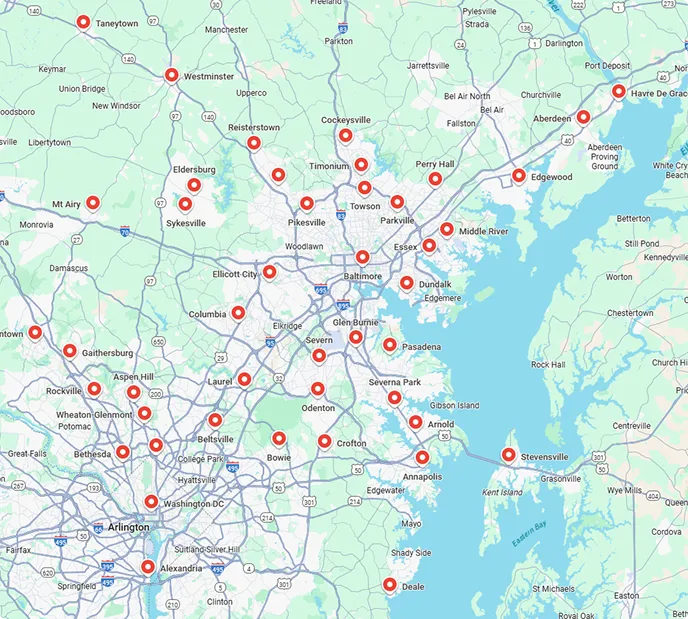
Service areas