

Ventilation in Stevensville, MD
In Stevensville, MD, Tario HVAC understands how crucial whole-home ventilation systems are for tackling coastal humidity, salt exposure, and diverse home designs, all to protect your indoor air quality and energy performance. We outline common issues like high humidity, lingering odors, condensation, and the risk of backdraft. We then present three main approaches: exhaust, supply, and balanced ventilation, noting that ERVs are often the most effective choice for the Stevensville climate. Our service covers a thorough assessment, strategic ductwork placement, explaining energy recovery benefits, precise installation and balancing, routine maintenance, and all compliance considerations to ensure you enjoy durable, healthy indoor environments.
.jpeg)
Ventilation in Stevensville, MD
Proper whole home ventilation is one of the most effective ways to protect indoor air quality, control moisture, and preserve building durability in Stevensville, MD. Homes here face humid summers, salt air from the Chesapeake Bay, and a mix of older and newer construction with differing airtightness. These local conditions make a tailored ventilation strategy essential to prevent mold, condensation, and indoor pollutant buildup while maintaining energy performance.
Common ventilation issues in Stevensville homes
- High indoor humidity and condensation on windows during summer and shoulder seasons due to coastal humidity and modern tight construction.
- Persistent odors, VOC buildup, and elevated CO2 in homes with limited fresh air exchange.
- Mold problems in basements, crawlspaces, and bathrooms where moisture accumulates.
- Imbalanced pressure causing backdrafting of combustion appliances or uncomfortable drafts.
- Corrosion and equipment wear accelerated by salt air in coastal areas if outdoor intakes and materials are not specified correctly.
Whole home ventilation options explained
Understanding the differences helps choose the right solution for your home and climate.
- Exhaust ventilation
- Simple system that removes indoor air from wet rooms and relies on passive outdoor air infiltration.
- Lower upfront cost but can create negative pressure, drawing pollutants from attics, crawlspaces, or appliance flues.
- Best for leakier, older homes where infiltration is adequate.
- Supply ventilation
- Uses a fan to bring filtered outdoor air into the home, creating slight positive pressure that reduces infiltration of unconditioned air.
- Useful where outdoor air needs filtration and for homes with potential backdrafting concerns.
- Requires careful filtration and tempering to avoid introducing excess humidity during humid months.
- Balanced ventilation (HRV and ERV)
- Balanced systems move equal amounts of supply and exhaust air and are the preferred whole home approach for tight, energy efficient homes.
- HRV (heat recovery ventilator) transfers sensible heat between exhaust and supply, best in cooler climates for preserving heating energy.
- ERV (energy recovery ventilator) transfers both sensible heat and some moisture, often the better choice in Stevensville because it helps moderate humid summer air while recovering energy.
- Balanced systems reduce pressure issues, improve steady air exchange rates, and offer the best control over both air quality and energy use.
Assessment and ductwork considerations
A proper installation begins with a thorough assessment tailored to Stevensville's climate and your building characteristics.
- Diagnostic steps
- Measure airtightness with a blower door test when appropriate.
- Conduct a ventilation rate assessment using ventilation airflow measurements, CO2 monitoring, and humidity logging to quantify needs.
- Inspect existing ductwork and building cavities for leaks, insulation gaps, and contamination.
- Ductwork and intake placement
- Use sealed, insulated ducts for supply and exhaust runs to minimize energy losses and condensation risk.
- Place outdoor intakes away from prevailing winds off the bay, exhausts, and pollutant sources to avoid reentrainment and salt spray exposure.
- Include backdraft dampers, insect screens, and intake filters sized for the anticipated MERV performance.
- Address crawlspace and basement connections carefully to avoid pulling conditioned air through damp or contaminated cavities.
Energy recovery benefits
- Energy recovery reduces heating and cooling loads by transferring heat and, in ERVs, some moisture between outgoing and incoming airstreams.
- In Stevensville, ERVs often provide the best balance between summer humidity control and winter energy savings, helping maintain comfortable indoor relative humidity without overworking the HVAC system.
- Properly sized and balanced systems reduce run time on central heating and cooling, improving overall home efficiency and lowering operating costs over time.
Installation and system balancing process
A well executed installation ensures performance matches design intent.
- Design phase
- Calculate required ventilation rates by room and whole house, following accepted standards and accounting for occupancy and activities.
- Select equipment sized for continuous and intermittent operation scenarios common in family homes.
- Installation
- Install ductwork with minimal bends and smooth transitions to reduce noise and pressure loss.
- Protect outdoor units and intakes from salt spray and water infiltration using appropriate enclosures and corrosion resistant materials in coastal settings.
- Route condensate drains and provide trap and inspection access for recovery cores.
- Commissioning and balancing
- Measure delivered airflow at each supply and exhaust point.
- Adjust fan speeds and dampers to achieve the target whole home ventilation rate and room balancing.
- Check pressure relationships to ensure no backdrafting risk with combustion appliances.
Maintenance needs and longevity
Routine maintenance keeps ventilation systems effective and prevents indoor air problems.
- Regular tasks
- Replace or clean intake and supply filters per manufacturer recommendations and local conditions, more often in dusty or salt air environments.
- Inspect and clean heat and energy recovery cores annually or per use patterns to prevent mold growth and maintain efficiency.
- Check condensate drains and pans for clogs and proper slope.
- Test system airflow and controls every 1 to 3 years or after major HVAC work.
- Corrosion and materials
- In Stevensville, specify corrosion resistant grills and fasteners for outdoor components and consider stainless or coated materials for long service life.
Code and compliance guidance
- Design and installation should comply with prevailing Maryland state and local building codes and follow industry ventilation standards such as ASHRAE 62.2 for residential ventilation rates and practices.
- Permits are typically required for mechanical and ductwork modifications. Local inspection ensures combustion appliance safety, proper ventilation rates, and correct condensate handling.
- Documentation during installation and commissioning provides proof of compliance and is useful for future home sales or warranty matters.
Why addressing ventilation now matters
Effective whole home ventilation in Stevensville, MD protects occupant health, reduces mold and moisture damage, and preserves the value and durability of your home while controlling energy use. Given the coastal humidity and salt exposure common on Kent Island, selecting the right system, routing ducts correctly, and maintaining equipment are practical investments that prevent common problems before they become expensive repairs. Proper assessment, energy recovery selection, and balanced system commissioning deliver the best long term results for indoor air quality and comfort in Stevensville homes.

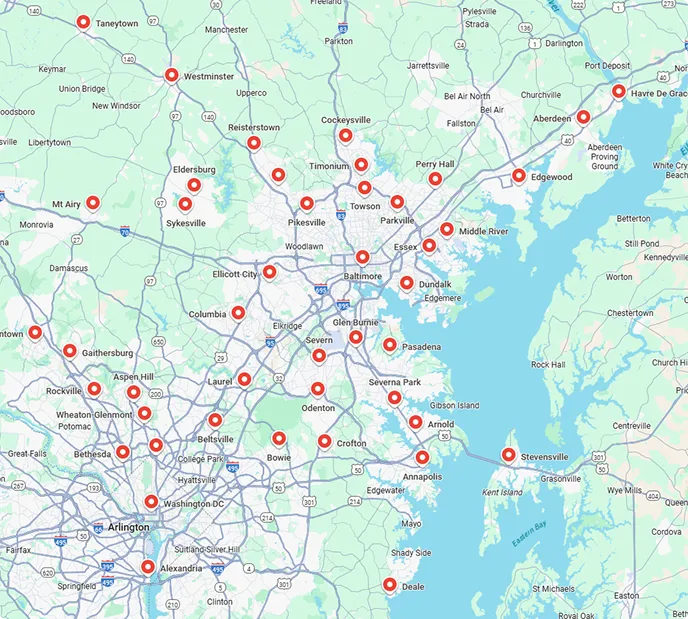
Service areas