

Whole House Air Filters in Ellicott City, MD
Understanding Whole House Air Filters in Ellicott City, MD reveals how in-home filtration safeguards occupants from seasonal pollen, dust, mold spores, and combustion particles, all while enhancing HVAC performance. We delve into local IAQ concerns, such as pollen, humidity-driven mold, older ducts, pet dander, and regional smoke events. Tario HVAC presents a comprehensive range of filtration options, from basic mechanical pleated filters to high-efficiency media, HEPA-capable systems, carbon filtration, and multi-stage configurations. We'll also cover selecting the right MERV rating, ensuring compatibility with your furnace, discussing professional installation, maintenance schedules, and lifestyle cost considerations.
Whole House Air Filters in Ellicott City, MD
Whole house air filters in Ellicott City, MD are one of the most effective ways to protect your home from seasonal pollen, household dust, mold spores, and combustion particles while keeping HVAC systems running smoothly. Whether you live in an older historic home near Main Street or a newer subdivision with open-plan living, selecting the right whole-house filtration strategy reduces allergy symptoms, helps control indoor pollutants that thrive in our humid summers and cold, damp winters, and supports consistent airflow throughout your heating and cooling system.
Common indoor air concerns in Ellicott City homes
Ellicott City presents several recurring indoor air quality challenges that influence filter choice:
- Seasonal tree and grass pollen in spring and early summer, and ragweed in the fall.
- High humidity in summer that increases mold and dust mite presence in basements and crawlspaces.
- Older homes with aging ducts or leaky return plenums that pull in outdoor dust and vehicle exhaust from nearby roads.
- Pet dander from households with dogs and cats.
- Occasional regional smoke or odor events that benefit from activated carbon filtration.
Understanding these local factors helps determine whether you need standard particulate filtration, odor control, or a combined approach.
Whole-house filtration options and MERV ratings
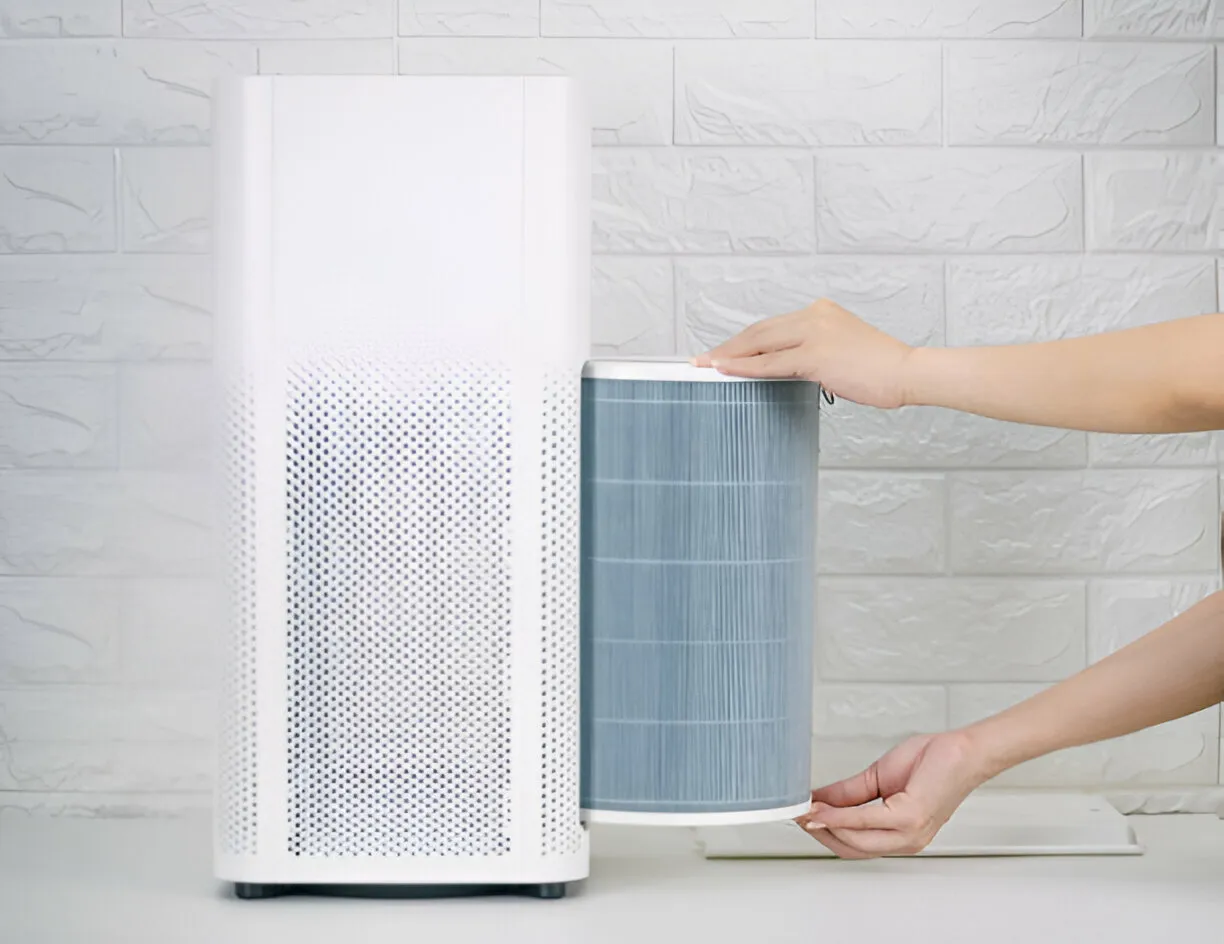
Whole-house options include mechanical filters, high-efficiency media filters, HEPA-capable systems, electronic air cleaners, and carbon or combination systems. Key terms to know:
- MERV ratings (Minimum Efficiency Reporting Value): scale from low to high that measures particle capture efficiency. Higher MERV captures smaller particles but can increase air resistance.
- Mechanical pleated filters: common, cost-effective, available in a range of MERV ratings.
- High-efficiency media filters: thicker filter media in a cabinet, better dust-holding and lower pressure drop per efficiency level.
- True HEPA: captures 99.97% of 0.3 micron particles but often requires dedicated systems or specially designed bypass housings; many residential HVAC systems cannot accept inline HEPA without modifications.
- Activated carbon media: reduces odors, VOCs, and smoke when combined with particulate filtration.
- Electronic air cleaners and UV systems: reduce microorganisms and small particulates; used as part of a multi-stage approach.
How to choose the right filter for specific indoor air concerns
Match filter type and MERV rating to your priorities:
- Allergy sufferers: MERV 8 to MERV 11 provides good pollen, dust mite, and pet dander control with minimal strain on most furnaces. For severe allergies, MERV 13 or a HEPA solution may be recommended but requires system assessment.
- Mold and dust control in humid homes: use MERV 11 to 13 with humidity management (dehumidifier, proper ventilation) to reduce spores and dust mite allergens.
- Smoke or odor events: combine particulate filtration (MERV 13 or higher) with activated carbon stages to absorb gases and odors.
- General dust control and baseline protection: MERV 6 to MERV 8 pleated filters are a common balance between filtration and airflow.
Compatibility with existing furnaces and air handlers
Not every filter is compatible with every furnace or air handler. Key compatibility factors:
- Static pressure and airflow: higher MERV filters restrict airflow more. Furnaces and air handlers have blower motors rated for certain static pressure; exceeding that reduces airflow, comfort, and can cause the system to run longer.
- Filter slot size and housing: retrofitting thicker media filters or whole-house media cabinets may require adjustments to filter racks or installation of a dedicated housing.
- Blower type: variable-speed ECM blowers handle higher-efficiency filters better than single-speed blowers because they can adjust to maintain airflow.A professional inspection verifies blower capacity, measures static pressure, and recommends the highest practical MERV rating without risking performance or warranty concerns.
Professional installation and replacement schedules
Professional installation ensures correct sizing and placement and minimizes performance issues:
- Assessment: technician inspects ductwork, measures static pressure, verifies filter cabinet sizing, and recommends a filtration stage appropriate for your home and system.
- Installation options: simple filter rack swaps, retrofit of a media filter cabinet, or installation of add-on whole-house filtration housings or bypass HEPA units.
- Replacement and maintenance: schedules vary by filter type and household conditions:
- Pleated filters (MERV 8-11): commonly replaced every 1 to 3 months in homes with pets or seasonal allergies; every 3 months for lower-traffic households.
- High-efficiency media filters: 6 to 12 months depending on loading and local dust levels.
- Electronic cleaners and washable filters: require periodic cleaning per manufacturer guidelines, typically every 3 to 12 months.Seasonal checks are smart in Ellicott City to prepare for pollen peaks and summer humidity.
Impact on system performance and energy use
Filters affect comfort, efficiency, and equipment life:
- Properly chosen filters remove pollutants without causing excessive pressure drop. That preserves airflow, heating and cooling capacity, and reduces runtime.
- Overly restrictive filtration on an undersized blower increases runtime and electricity use and may increase heat exchanger or compressor stress.
- Conversely, poor filtration leads to clogged coils and ducts, lowering efficiency and requiring more frequent HVAC service.A balanced system design with correctly rated filters, well-sealed ducts, and routine maintenance minimizes energy impacts while maximizing air quality.
Practical tips for better indoor air quality in Ellicott City
- Seal and insulate ducts to prevent outdoor contaminants from entering and to improve system effectiveness.
- Control humidity year-round: use exhaust fans, ventilate appropriately, and consider a whole-house dehumidifier during humid months.
- Use staged filtration: a lower-MERV prefilter to extend life of a higher-efficiency main filter or media cabinet.
- Keep combustion appliances maintained and vented to avoid indoor combustion products.
- Schedule HVAC tune-ups before peak pollen season and before winter to ensure system handles your chosen filter level.
Cost and maintenance expectations
Expect a range of upfront and ongoing considerations:
- Upfront costs include the filter media and any cabinet or retrofit work. Higher-efficiency media cabinets and HEPA-capable solutions represent a higher initial investment than basic pleated filters.
- Operating costs include replacement filters, possible increased fan energy if using higher MERV ratings, and periodic professional inspections or cleanings for electronic cleaners.
- Long-term value comes from reduced allergy symptoms, cleaner ductwork, fewer HVAC repairs, and improved comfort in Ellicott City’s seasonal climate.
Choosing the right whole house air filters in Ellicott City, MD means balancing airborne particle removal, odor control, and system compatibility. A professional assessment will identify what filtration level your specific furnace or air handler can support and which multi-stage strategies will deliver the best indoor air quality for your family and home. Regular maintenance, humidity control, and attention to duct integrity keep results consistent through pollen season, humid summers, and cold, damp winters.

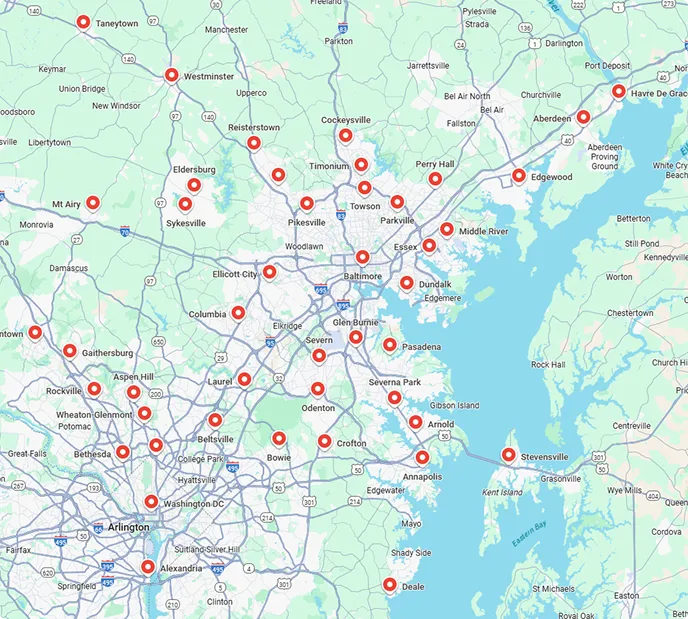
Service areas