



Ventilation in Ellicott City, MD
Ventilation in Ellicott City, MD significantly improves indoor air quality, manages moisture, and enhances comfort for both older historic homes and new construction. Tario HVAC offers a targeted approach that addresses humidity, odors, allergens, and mold risk with balanced strategies such as ERV and HRV systems, mechanical exhaust, or supply ventilation, always tailored to each specific layout. Our proper assessment, design, installation, and maintenance ensure energy efficiency, reduced allergens, and durable, healthier living spaces across seasonal extremes, while also protecting historic structures and basements from moisture and damp odors.
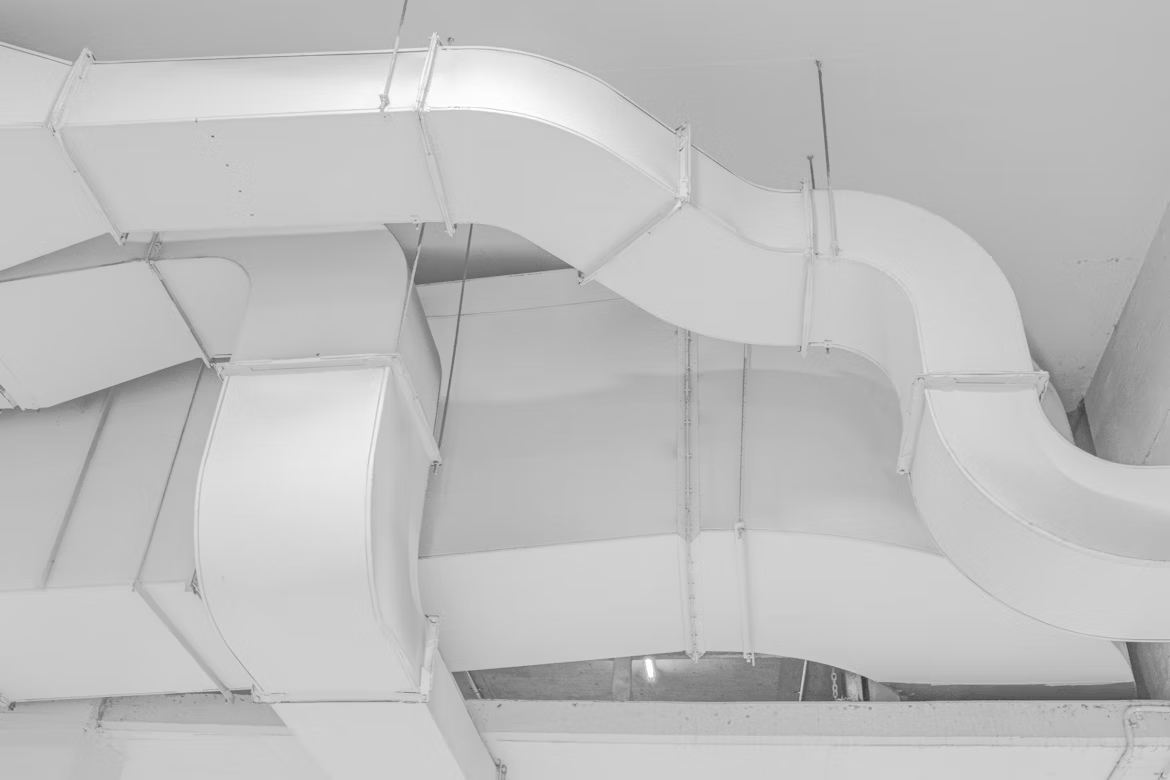
Ventilation in Ellicott City, MD
Proper ventilation is one of the most impactful upgrades you can make to a home in Ellicott City, MD. With hot, humid summers, cold winters, and a mix of older historic homes and newer construction, local households face unique moisture and indoor air quality challenges. Effective residential and whole-home ventilation reduces indoor pollutants, controls moisture that leads to mold and structural damage, and improves comfort without forcing you to run HVAC systems harder.
Why ventilation matters in Ellicott City homes
- High summer humidity and frequent storms increase indoor moisture and mold risk, especially in basements and crawl spaces.
- Older, tightly built historic houses can trap odors, combustion gases, and allergens without balanced ventilation.
- Flood-prone areas and past water intrusion incidents make moisture management a priority for long-term durability and health.
- Better ventilation reduces concentrations of VOCs, pollen, pet dander, and other pollutants that trigger allergies and respiratory problems.
If your home feels stuffy, shows condensation on windows, has persistent musty smells, or you notice rising allergy symptoms indoors, targeted ventilation solutions can resolve those issues while preserving energy efficiency.
Common ventilation problems in Ellicott City homes
- Poor air exchange in basements and lower levels, leading to mold growth and damp odors.
- Overventilation with window or attic leaks that increases energy bills and humidity in summer.
- Inadequate fresh air in tightly sealed renovations and remodeled historic homes.
- Imbalanced systems where exhaust fans depressurize the house and draw in unfiltered outdoor air or soil gases.
- Lack of coordination between HVAC and ventilation controls, causing runtime inefficiency.
Types of whole-home ventilation systems
Understanding the main system types helps match a strategy to your home layout and local climate.
- ERV (Energy Recovery Ventilator)
Transfers heat and a portion of moisture between outgoing stale air and incoming fresh air. ERVs are often recommended in climates with both cold winters and humid summers because they reduce HVAC load and help control indoor humidity. - HRV (Heat Recovery Ventilator)
Exchanges heat only, reducing heating and cooling load but not moisture transfer. HRVs are effective in colder, drier seasons; they are most useful when humidity control is handled separately. - Mechanical exhaust ventilation
Uses centralized exhaust fans to pull stale air out, typically from kitchens, bathrooms, and basements. It is simple and lower cost but can cause negative pressure if not properly balanced and may draw unconditioned air into the home. - Supply ventilation
Delivers filtered outdoor air into the living space and relies on passive exhaust (via bathroom fans, dryer vents, or building leakage) to exit. Supply systems can positively pressurize the home, which helps keep outdoor pollutants and radon out if properly filtered. - Balanced systems (ERV/HRV + distribution)
Combine controlled intake and exhaust with heat or energy recovery. Balanced systems provide consistent fresh air while minimizing energy penalties and avoiding pressure issues.
Assessment and design considerations for Ellicott City homes
A proper design begins with a focused assessment tailored to local conditions and the home layout.
- Evaluate building tightness and existing airflow paths using blower door testing or visual inspection.
- Map moisture-prone areas: basements, crawl spaces, attic penetrations, and older masonry walls.
- Review your HVAC system capacity and duct layout to determine whether integration with central air is feasible.
- Consider occupancy, number of bedrooms, and activities that increase pollutant loads like cooking or home workshops.
- Account for local climate patterns: summers with high humidity often favor ERV systems or an ERV plus dehumidification strategy.
Design should ensure balanced airflow rates that meet ventilation standards while limiting uncontrolled infiltration that brings in dust or pollen.
Typical installation process
- Site evaluation and measurement of rooms, existing ducting, and problem areas.
- Select location for the ventilator unit (mechanical room, basement, or conditioned attic) and route insulated ducts to intake and exhaust points.
- Install intake and exhaust terminations with weather protection and insect screening, avoiding areas prone to flood exposure.
- Integrate controls with HVAC or install independent timers, humidity sensors, or demand-controlled ventilation to optimize runtime.
- Commission the system by balancing airflow, verifying recovery efficiency (for ERV/HRV), and testing for proper pressure relationships throughout the house.
- Ensure compliance with local codes and obtain any necessary permits.
Energy and efficiency implications
Ventilation must balance indoor air quality with energy conservation.
- ERVs and HRVs reclaim much of the thermal energy in exhausted air, reducing heating and cooling loads compared to uncompensated ventilation.
- Demand-controlled ventilation (using CO2 or humidity sensors) reduces unnecessary run times in intermittently occupied homes, saving energy.
- Properly sized and insulated ductwork, plus smart controls coordinated with your HVAC, prevent energy loss and avoid humidity problems during Ellicott City summers.
- Consider pairing ventilation upgrades with insulation and air sealing measures to improve overall home performance and reduce operating costs.
Maintenance needs and common service items
Routine maintenance keeps ventilation systems effective and prevents secondary issues.
- Replace or clean filters on intake and bypass filters seasonally or as specified by the manufacturer.
- Inspect condensate drains and pans for blockages in humid months; standing water in ERV drains can cause odors and microbial growth.
- Clean core heat or energy exchangers annually or per manufacturer guidance to maintain efficiency.
- Verify fan operation and airflow balance after major weather events or home alterations.
- Check outdoor intakes for debris, leaves, or flood damage, especially after storms.
Choosing the right ventilation strategy for different home layouts in Ellicott City
- Older historic or retrofitted homes: Balanced ERV with careful duct routing helps bring fresh air without negative pressure or uncontrolled infiltration. Consider spot dehumidification for damp basements.
- New or tightly built construction: ERV or HRV integrated with central HVAC provides efficient fresh air exchange; demand control can reduce wasted ventilation in low-occupancy periods.
- Homes with basements or frequent moisture: Supply ventilation combined with a dedicated dehumidifier or ERV that handles moisture transfer reduces mold risk in lower levels.
- Small townhouses or stacked units: Centralized ERV may be impractical; high-quality mechanical exhaust with local supply vents and filtration can work if balanced to avoid drawing air between units.
Benefits and long-term value
Investing in the right whole-home ventilation improves indoor air quality, protects building materials from moisture damage, reduces allergy and asthma triggers, and can lower HVAC energy use when recovery ventilators and smart controls are used. For Ellicott City homeowners, good ventilation also helps protect against mold after wet seasons and reduces the chance of persistent damp odors in basements and historic structures.
Proper assessment, an appropriate system choice, and regular maintenance ensure that ventilation becomes a lasting solution that improves comfort, health, and home durability across seasonal extremes common in Ellicott City, MD.

Service areas
