



Whole House Air Filters in Beltsville, MD
For Beltsville, MD homes, various whole-house air filter options are available, and Tario HVAC offers practical guidance on choosing, installing, and maintaining filtration for optimal indoor air quality and system performance. We explain MERV ratings, different filter types such as pleated, washable, media, electronic, and carbon inserts, along with humidity control integration. Our team covers selection criteria based on allergies, odors, and smoke, as well as replacement schedules and maintenance. You'll gain a clear cost-versus-benefit framework and actionable steps to significantly improve your indoor air quality. This guidance from Tario HVAC helps Beltsville homeowners tailor filtration solutions to their specific needs.
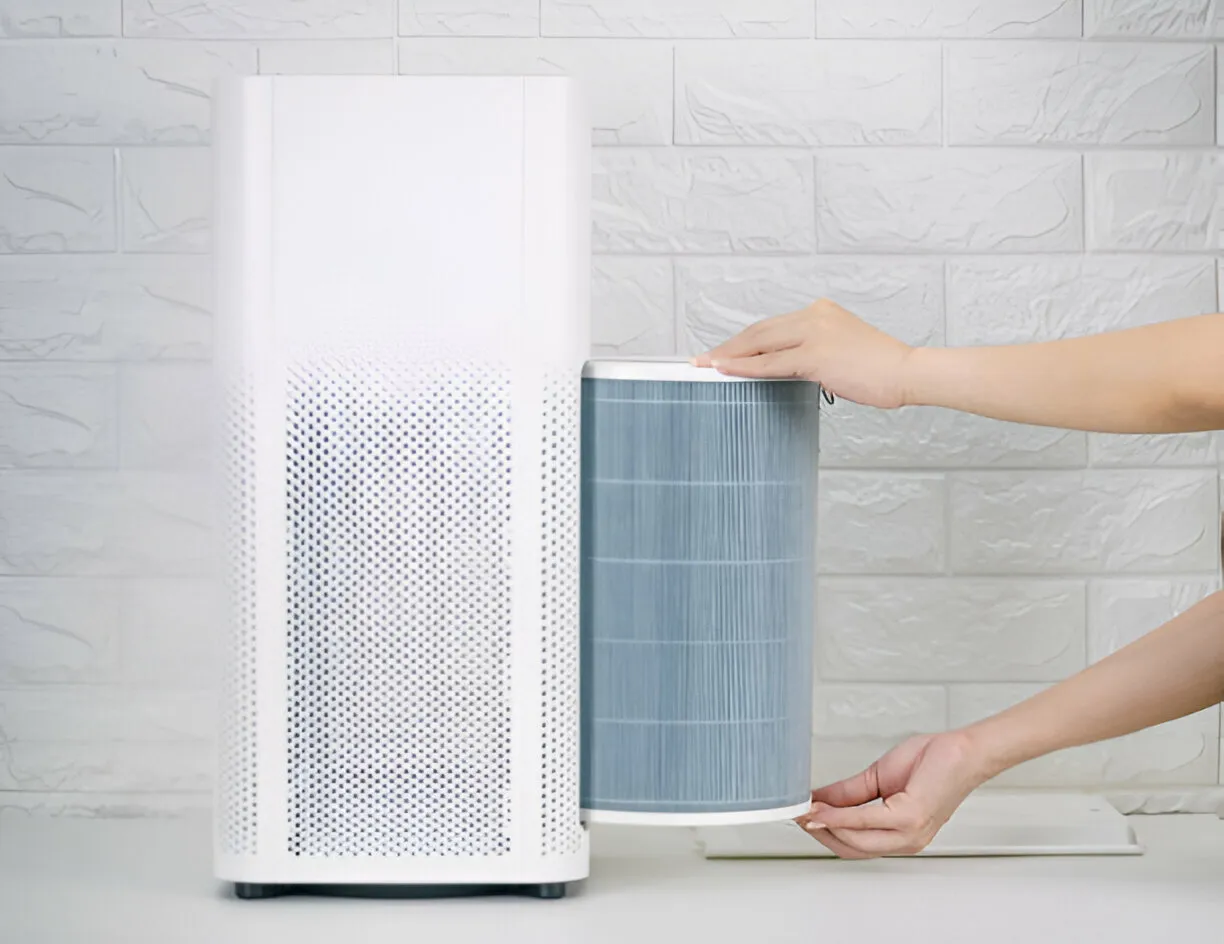
Whole House Air Filters in Beltsville, MD
At Tario HVAC, we know that keeping indoor air clean really matters in Beltsville homes. Seasonal pollen from spring trees and grasses, humid summers that encourage mold, winter heating that circulates dust, and traffic-related particles make whole house filtration a practical investment for comfort and health. We'll go over whole house air filter options, how they affect your system's performance and energy use, installation and replacement guidance, and a straightforward cost-versus-benefit breakdown so you can pick the perfect solution for your Beltsville home.
Why whole house filters matter in Beltsville, MD
- Spring and early summer pollen loads are high in Prince George’s County; residents commonly report allergy symptoms.
- High summer humidity increases mold and dust mite activity; filtration works best alongside humidity control.
- Suburban traffic and local construction add fine dust and diesel particulates that settle in homes.
- Whole house filtration treats all rooms through the HVAC system, giving broader protection than portable units.
Filter types and how they perform
MERV ratings explained
- MERV stands for Minimum Efficiency Reporting Value. Higher MERV captures smaller particles.
- Typical residential guidance:
- MERV 6-8: Basic dust, lint, pollen. Suitable for older systems or where resistance must be minimal.
- MERV 8-11: Good balance of particle capture and airflow for homes with mild allergies.
- MERV 11-13: Recommended for homes with allergy sufferers; captures fine pollen, pet dander, and some smoke particles.
- MERV 14+ / HEPA: Hospital-grade; often requires dedicated in-duct upgrades or standalone HEPA systems since many residential fans cannot handle the pressure drop.
Pleated vs washable filters
- Pleated disposable filters: Common, available in a range of MERV ratings, good filtration-to-cost ratio. Replace on schedule to avoid performance loss.
- Washable/reusable filters: Lower initial cost and less waste, but typically lower MERV performance and require regular cleaning and thorough drying. In Beltsville’s humid months, washable filters can retain moisture and encourage microbial growth if not maintained carefully.
Media filters and electronic options
- Media (deep-pleat) filters: Thicker (2-5 inch) media panels provide higher efficiency with lower pressure drop than a thin high-MERV filter. Good option when you want MERV 11-13 performance with less airflow penalty.
- Electronic precipitators / ionizers: Capture very small particles but require frequent cleaning and proper maintenance. Some older units can produce ozone; choose models certified to produce minimal ozone or pair with media filtration.
- Activated carbon inserts: Reduce odors and some VOCs. Consider adding a carbon stage if cooking smells, pet odors, or VOCs from renovations are concerns.
Selecting the right filter for system performance and IAQ goals
- Start with your primary goal: allergy symptom relief, odor control, smoke capture, or general dust reduction.
- Check your HVAC fan capacity and static pressure tolerance. Many systems perform well up to MERV 11-13 if you use a thicker media filter or a low-pressure-drop filter design.
- If someone in the home has severe asthma, immune compromise, or heightened sensitivity, plan for a whole-house HEPA retrofit or a hybrid solution (in-duct media + portable HEPA in bedrooms).
- For Beltsville’s seasonal pollen and mold spores, MERV 11-13 or a 4-inch media filter with carbon often provides the best compromise of filtration and system performance.
Installation considerations
- Filters must be installed with the airflow arrow pointing toward the furnace or air handler.
- Ensure a snug fit; gaps around the frame cause bypass and reduce effectiveness. Use filter frames with gaskets for high-MERV installations.
- Locate the filter at the HVAC cabinet return or the main return grille—this provides full-system protection. Filters in wall or ceiling return grilles need to be sized correctly and sealed.
- Turn off power to the system before installing or inspecting filter compartments.
Recommended replacement and maintenance schedules
- Pleated disposable (MERV 8-11): Inspect every 30 days; replace every 60-90 days under normal conditions. Replace faster during spring pollen spikes or heavy construction nearby.
- Higher-efficiency pleated (MERV 11-13): Replace every 30-60 days; thicker 4-inch media may last 6-12 months depending on load.
- Washable filters: Clean and dry monthly. Replace if the frame or media is damaged.
- Electronic precipitators: Clean collector plates per manufacturer—often monthly to quarterly.
- In Beltsville, plan for more frequent changes during spring pollen season and after local events that raise dust (landscaping, roadwork).
Impact on airflow and energy use
- Higher-MERV and denser filters increase resistance. That can reduce airflow, lower heating and cooling capacity, and increase fan runtime and electrical use.
- Using thicker media filters (2-5 inch) reduces resistance compared to thin high-MERV filters while achieving similar capture efficiency.
- If you notice reduced airflow, short cycling, or higher indoor humidity after upgrading filtration, your system may need a higher-capacity blower or duct adjustments.
- Properly selected filters will have a small increase in fan energy; excessive restriction can cause more significant energy use and equipment strain over time.
Cost versus benefit guidance
- Upfront cost: higher-MERV and media filters cost more, but they reduce particulate load on coils and ductwork, which can lower maintenance and cleaning costs.
- Health value: For allergy sufferers, the reduction in symptoms and medication use can offset recurring filter costs.
- Operational costs: Expect a modest increase in fan energy for denser filters; the tradeoff is often cleaner indoor air and less frequent duct and coil cleaning.
- Washable filters cut supply costs but impose labor and performance tradeoffs. For busy households or those with allergies, disposable pleated or media filters typically deliver better net value.
Quick selection checklist for Beltsville homes
- Do you suffer from allergies or respiratory sensitivities? If yes, aim for MERV 11-13 or a media filter.
- Do you have an older HVAC system or a small blower? Choose a lower-pressure-drop media filter or consult an HVAC professional before selecting MERV 13+.
- Concerned about odors or VOCs? Add a carbon stage or choose a combined media/carbon filter.
- Want minimal maintenance? Use disposable pleated or media filters on a scheduled replacement plan.
- Live near busy roads or construction? Increase inspection frequency and consider higher-efficiency filtration during peak events.
Maintenance tips for lasting IAQ
- Inspect filters visually monthly during pollen season and after storms.
- Track filter changes on a calendar tied to local seasons: more frequent in April-May and during fall cleanup.
- Combine filtration with humidity control (45% or lower in summer) to limit mold and dust mite growth.
- If upgrading filtration causes performance concerns, have a professional measure static pressure and advise on compatible options.
Whole house filtration tailored for Beltsville homes can significantly reduce allergens, fine dust, and odors while protecting HVAC components. Selecting the right combination of MERV rating, filter type, and maintenance schedule ensures the best balance of indoor air quality, system performance, and operating cost for your local conditions.

Service areas
