


Ventilation in Owings Mills, MD
Ventilation solutions for Owings Mills, MD, are absolutely essential for ensuring comfort, health, and home longevity, especially in our region with its humid summers and cold winters. Tario HVAC reviews both whole-home and targeted approaches, demonstrating how our professionals assess your specific needs and how ERVs, HRVs, and thoughtful ductwork integration can significantly impact energy use. We cover all installation options, outline maintenance expectations, discuss important code considerations, and provide practical examples, along with answers to common questions. Our professional assessment ensures you select the ideal system to dramatically improve indoor air quality, moisture control, and overall home comfort.
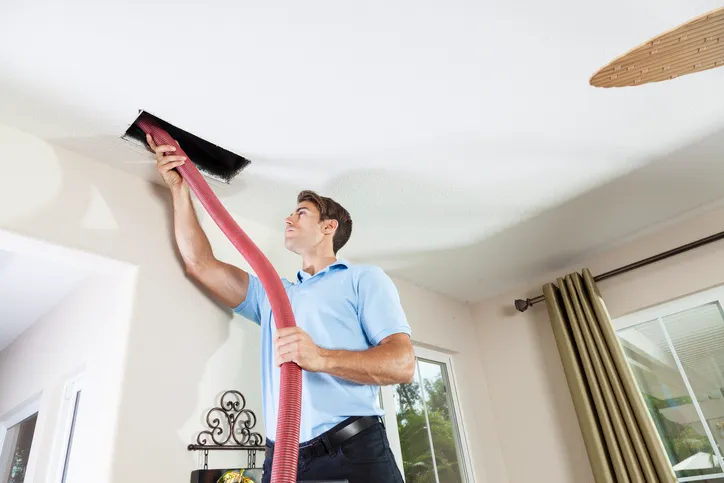
Ventilation in Owings Mills, MD
Good ventilation is one of the most important upgrades you can make for comfort, health, and the longevity of your home in Owings Mills, MD. With humid summers, cold winters, and a mix of older and newer construction in the area, indoor moisture, mold growth, pollen infiltration, and lingering VOCs are common concerns.
Why ventilation matters in Owings Mills homes
- Moisture control: Summer humidity and basement moisture create ideal conditions for mold. Proper ventilation reduces condensation and dampness that damage structure and finishes.
- Indoor air quality: Pollen, vehicle exhaust from nearby roads, radon in some neighborhoods, and off-gassing from new materials can accumulate in tighter homes. Mechanical ventilation exchanges stale indoor air with filtered outdoor air.
- Comfort and odor control: Kitchens, bathrooms, and laundry generate moisture and odors. Balanced ventilation keeps these spaces drier and fresher.
- Energy and durability: Controlling humidity reduces load on HVAC systems and prevents rot, mold, and corrosion that increase repair costs.
Common ventilation systems for Owings Mills homes
- ERV (Energy Recovery Ventilator): Transfers heat and some moisture between incoming and outgoing air. Well suited for Owings Mills because it moderates both winter heat loss and summer humidity gain.
- HRV (Heat Recovery Ventilator): Transfers heat only and is effective in cold, dry conditions. May be chosen for very cold Maryland winters in homes where moisture transfer is not desired.
- Mechanical supply or exhaust systems: Simpler systems that push fresh air in or pull stale air out. Typically used when ductwork is limited or for targeted solutions.
- Spot ventilation: Kitchen range hoods, bath fans, and dryer vents that address specific moisture or pollutant sources. High-quality, ducted spot ventilation remains essential in bathrooms and kitchens.
- Demand-controlled ventilation: Uses sensors (CO2, VOCs, or humidity) to adjust ventilation rates when needed, improving efficiency in variable-occupancy homes.
How professionals assess ventilation needs
A thorough assessment usually includes:
- A walkthrough to identify moisture sources, pollutant sources, and existing ventilation (bath fans, range hoods, attic vents).
- Diagnostics such as airflow measurements, humidity logging, and sometimes blower door testing to understand building tightness.
- Calculation of required ventilation rates based on home size, occupancy, and local climate considerations.
- Recommendation of whole-home or spot solutions and selection of ERV/HRV vs supply/exhaust depending on the home, budget, and moisture profile.
Installation and integration with existing ductwork
- Ducted integration: ERVs and HRVs are most effective when integrated with existing HVAC ductwork or a dedicated duct network to distribute fresh air evenly. Proper routing minimizes pressure imbalances.
- Standalone or retrofit options: Where full duct networks are impractical, professionals can install short-run duct systems or use balanced systems with supply and exhaust fans positioned strategically.
- Kitchen and bath upgrades: Properly ducted, externally vented range hoods and bath fans prevent moisture and cooking pollutants from spreading through the house.
- Attic and crawlspace considerations: If basements and crawlspaces in Owings Mills show moisture problems, solutions often include conditioned ventilation, insulation upgrades, and sump or dehumidification strategies coordinated with the ventilation plan.
Energy and efficiency considerations
- Recovery efficiency: ERVs and HRVs reclaim energy from exhausted air, reducing the heating and cooling penalty of introducing outdoor air.
- Seasonal performance: In Owings Mills, ERVs are often the preferred choice because they help control both winter heat loss and summer humidity transfer. Selection should reflect your home’s moisture tendencies.
- Fans and controls: High-efficiency fans and smart controls lower operating costs. Demand-controlled ventilation can cut unnecessary run time while maintaining IAQ.
- Whole-house balance: Properly balanced systems avoid making the HVAC unit work harder due to pressure differences, which protects efficiency.
Controls, balancing, and commissioning
- Airflow balancing: Technicians measure supply and exhaust flows and adjust dampers, fan speeds, and ducting to achieve targeted ventilation rates.
- Controls: Timers, humidity sensors, and occupancy or CO2 sensors let systems run only when needed, saving energy in seasonal extremes.
- Commissioning: Final tests confirm that ventilation rates, recovery performance, and distribution meet the design targets for the home.
Maintenance requirements
- Replace or clean filters every 3 to 12 months depending on use and local pollution loads.
- Inspect heat/energy exchange cores annually and clean as recommended by the manufacturer.
- Check fans, belts, and duct seals during routine HVAC maintenance to prevent efficiency losses.
- Ensure exterior vents remain clear of debris, leaves, and ice in winter.
Health and building-code considerations
- Mechanical ventilation often helps homes meet modern ventilation requirements and improves occupant health by reducing humidity, allergens, and indoor pollutants.
- Local building codes and energy codes may require mechanical ventilation for renovated or new homes. Professionals will design systems to meet code minimums while prioritizing occupant comfort.
- For homes with radon concerns, ventilation plans should be coordinated with radon mitigation strategies to avoid counterproductive air pathways.
Case studies (typical local examples)
- Older colonial in Owings Mills: Persistent basement dampness and musty odors were addressed by installing an ERV tied into the furnace return and a dedicated conditioned-crawlspace vent. Result: humidity dropped, mold risk reduced, and indoor comfort improved.
- Townhouse renovation: Tight building envelope after energy upgrades led to VOC complaints. A balanced ERV with demand control and upgraded kitchen range hood returned fresh air without large energy penalties.
- Bathroom remodels: Several homes required improved spot ventilation; direct-ducted bath fans with timers and humidity sensors solved condensation and paint failure issues.
Frequently asked questions
- What is the difference between whole-home and spot ventilation?Whole-home systems continuously exchange air throughout the house. Spot ventilation targets specific rooms like bathrooms or kitchens. Many homes benefit from both.
- Should I choose an ERV or HRV in Owings Mills?ERVs are often recommended here because they help manage both heat and moisture, which is useful in Maryland’s humid summers and cold winters.
- How long does installation take?Typical installations range from a few hours for a single fan to one or two days for a whole-house ERV/HRV retrofit, depending on ductwork complexity.
- Will ventilation increase my energy bills?Mechanical ventilation has operating costs, but energy recovery units substantially reduce heat and cooling loss, and demand controls minimize runtime.
- How often do filters need to be changed?Every 3 to 12 months depending on outdoor pollution, pets, and system use.
- Can ventilation solve mold problems?Ventilation reduces the moisture that contributes to mold, but active mold remediation and fixing water intrusion must also be addressed.
- Do I need to worry about outdoor pollen?Yes. High-efficiency filters or MERV-rated filters in ERVs and HRVs capture many allergens before they enter living spaces.
- Is ventilation required by code?Many renovations and new constructions are required to meet mechanical ventilation standards. A professional will design systems that comply with local codes.
Conclusion
Proper ventilation in Owings Mills, MD, protects indoor air quality, controls moisture, and improves comfort in a climate that stresses both heating and humidity control. Whether you need a balanced ERV for whole-home performance, targeted spot ventilation for kitchens and baths, or a demand-controlled approach to reduce energy use, a professional assessment will match the right system to your home’s layout and local conditions. Regular maintenance and proper commissioning ensure lasting performance, healthier air, and lower long-term building risks.

Service areas