

Ventilation in Mount Airy, MD
In Mount Airy, MD, Tario HVAC understands how proper airflow is key to keeping homes comfortable and healthier by effectively addressing moisture, odors, and pollutant buildup. We can help you with exhaust, supply, and balanced HRV/ERV systems, covering all aspects from installation to ductwork considerations and ongoing maintenance to sustain optimal performance. Our approach emphasizes evaluating your home's tightness, local climate, and specific indoor air goals to choose the perfect solution. We also highlight the critical importance of code compliance and professional design, installation, and periodic testing for reliable, year-round ventilation, ultimately ensuring safer, healthier indoor environments for your family.
Ventilation in Mount Airy, MD
Indoor air quality and proper ventilation are essential for healthy, comfortable homes in Mount Airy, MD. With humid summers, cold winters, and a mix of older and newer construction, local homeowners frequently face moisture buildup, lingering odors, and uneven fresh-air distribution. Expertly designed ventilation solutions — from simple exhaust fans to balanced HRV/ERV systems — can reduce mold risk, improve comfort, and protect building envelopes while meeting energy and code requirements common in Maryland homes.
Why ventilation matters for Mount Airy homes
- Humid summers increase the risk of condensation, mold growth, and musty odors in basements and attics.
- Cold winters make natural ventilation via open windows impractical; mechanical ventilation provides controlled fresh air without energy loss.
- Older homes often have leaky ductwork or insufficient designed ventilation, producing stale, pollutant-laden air in living spaces.
- Newer, tightly built homes require engineered ventilation to meet indoor air quality standards and keep mechanical systems balanced.
Common ventilation types and when to use them
- Exhaust ventilation: Local exhaust fans (bathrooms, kitchens, laundry rooms) remove moisture and odors at the source. Good first step for targeted problem areas, especially where humidity is the main concern.
- Supply ventilation: Brings filtered outdoor air into the home, pressurizing the building slightly. Useful when outdoor air quality is acceptable and you want to reduce infiltration of unconditioned air and dust from crawlspaces.
- Balanced ventilation (HRV / ERV): Heat recovery ventilators (HRV) and energy recovery ventilators (ERV) provide continuous, balanced fresh-air exchange while transferring heat (and in ERVs, some moisture) between outgoing and incoming air. Best for whole-house solutions in Mount Airy where temperature extremes and humidity swings are common.
- Spot ventilation and dedicated fresh-air ducts: Inline fans and dedicated ducts can supplement whole-house systems for additions, finished basements, or rooms with high pollutant loads.
Evaluating your home’s ventilation needs
A proper evaluation considers home size, occupancy, building tightness, and common issues:
- Assess symptoms: persistent musty odors, visible mold, condensation on windows, or recurring respiratory complaints indicate inadequate ventilation or moisture control.
- Examine building envelope: Airtight modern homes need mechanical ventilation; older leaky homes may still lack balanced fresh-air distribution.
- Check HVAC integration: Determine if existing HVAC ductwork can support a balanced system or if dedicated ducts are needed.
- Measure indoor humidity and CO2 where possible: These metrics guide whether you need dehumidification, increased fresh-air flow, or source control for pollutants.
- Match solution to goals: Prioritize moisture control and source exhaust for basements, bathrooms, and kitchens; choose HRV/ERV for year-round whole-house comfort and energy efficiency.
Installation and ductwork considerations
- Siting and duct runs: HRV/ERV units are typically installed in mechanical rooms, basements, or attics with insulated, short duct runs to living spaces. Minimize bends and long runs to preserve airflow and efficiency.
- Duct sizing and balancing: Properly sized ducts and registers are critical to achieving the designed CFM flow. Balancing dampers and professional airflow testing ensure supply and exhaust are matched.
- Backdrafts and combustion safety: Ensure ventilation does not create negative pressure that could backdraft combustion appliances. Combustion appliance zones must be evaluated before increasing exhaust ventilation.
- Insulation and condensation control: In Mount Airy’s climate, insulate ducts in unconditioned spaces and use condensate traps or drain lines as required to prevent moisture issues.
- Noise and vibration: Select quiet fans and use isolation mounts to keep living spaces comfortable.
- Permitting and code compliance: Installation should follow local building codes and recognized ventilation standards to ensure safety and energy compliance.
Energy, code compliance, and standards
- Follow established ventilation standards for whole-house ventilation rates and occupant-based sizing to comply with local code expectations and to align with ASHRAE guidance.
- HRV and ERV systems reduce energy loss by transferring heat (and in ERVs, latent energy) between exhausted and incoming air, which limits the heating or cooling penalty of bringing in outdoor air.
- Consider controls and timers that allow intermittent boost modes for kitchens or bathrooms while maintaining continuous baseline ventilation for code compliance.
- Work with a professional familiar with Maryland and local county requirements to ensure permits and inspections (if required) are handled correctly.
Maintenance requirements and longevity
- Filters: Replace or clean intake filters at recommended intervals to preserve air quality and performance.
- Core cleaning: HRV/ERV heat-exchange cores require periodic inspection and cleaning (typically annually) to maintain efficiency.
- Fan and motor care: Inspect fans, belts (if applicable), and electrical connections annually; lubricate or replace components as needed.
- Duct and grille cleaning: Check and clean supply and exhaust grilles and accessible ducts periodically to reduce dust buildup and maintain airflow.
- Seasonal checks: Verify condensation drains and freeze protection (for ERVs/HRVs) before winter and test controls and boost functions before high-use seasons.
Benefits for moisture control, odor reduction, and health
- Reduces relative humidity levels that cause condensation, mold, and wood rot in basements and attics, particularly important in Mount Airy’s humid months.
- Removes cooking, cleaning, and bathroom odors at the source, improving occupant comfort and perceived air quality.
- Lowers indoor pollutant concentrations, including volatile organic compounds (VOCs) and accumulated CO2 during occupied periods.
- Helps preserve building materials and finishes by preventing persistent dampness that accelerates deterioration.
Typical project timelines and what to expect
- Local exhaust installations (bathroom/kitchen fans): Often completed in a few hours to a day, depending on roof or wall penetrations and venting runs.
- Supply ventilation or forced-air integration: Partial-day to full-day work when tying into existing ductwork, plus testing and balancing.
- HRV/ERV whole-house installations: Usually completed in one to three days for straightforward homes with accessible mechanical spaces. Homes requiring new ductwork, significant penetrations, or custom balancing can extend to several days.
- System commissioning and airflow testing: Plan for a separate inspection or commissioning session to verify balanced flow and proper controls after installation.
Ventilation in Mount Airy, MD is a practical investment in health, comfort, and the longevity of your home. Choosing the right system — targeted exhaust for moisture control or a balanced HRV/ERV for year-round fresh air with energy recovery — depends on your home’s construction, occupancy, and indoor air quality goals. Proper installation, duct design, and regular maintenance ensure the system performs efficiently, reduces odors and moisture issues common in local climates, and aligns with energy and safety standards.

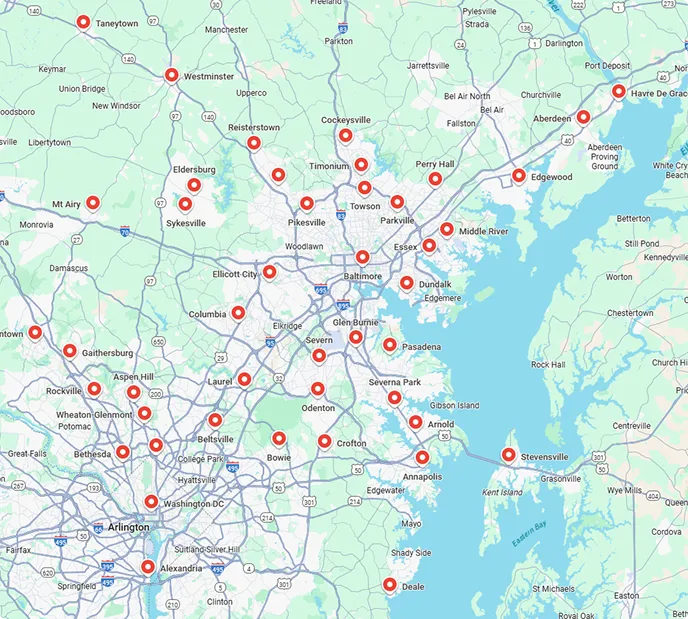
Service areas