

Smart Thermostats Installation in Essex, MD
Essex, MD homeowners can count on Tario HVAC for a professional smart thermostat installation that genuinely improves comfort, reduces energy use, and provides convenient remote control. Our service begins with thorough pre-installation compatibility checks and wiring assessments, including the installation of C-wires or adapters when necessary. Our skilled technicians are adept at configuring multi-stage systems, heat pumps, and even humidifier integrations. We verify all wiring and Wi-Fi connectivity, ensuring reliable integration with your existing home automation platforms. This comprehensive setup also includes training on scheduling, geofencing, and energy-saving features, along with ongoing maintenance guidance for long-term, optimal performance.
.webp)
Smart Thermostats Installation in Essex, MD
Upgrading to a smart thermostat can cut your home energy use, improve comfort, and give you remote control of heating and cooling from your phone. For homeowners in Essex, MD, where hot, humid summers and cold winters place heavy demands on HVAC systems, a properly selected and installed smart thermostat delivers measurable comfort and efficiency gains.
Why a professional smart thermostat installation matters in Essex, MD
- Essex homes often face extended HVAC runtimes during humid summers, which makes accurate temperature control and humidity-aware scheduling valuable.
- Many houses in the area are older or have legacy HVAC wiring; compatibility and proper wiring work are common roadblocks to a reliable smart thermostat setup.
- Local building materials and home layouts (brick, partial basements, or dense framing) can affect Wi‑Fi signal strength and thermostat placement, influencing performance and remote access.
A professional installation ensures the thermostat is compatible, wired correctly, integrated with your heating and cooling equipment, and configured for local conditions so you get the intended energy savings and comfort benefits.
Common smart thermostat issues and installation types in Essex, MD
- No C-wire or an insufficient power source for Wi‑Fi thermostats
- Older single-stage or multi-stage systems requiring specific thermostat models
- Heat pump systems or dual fuel setups that need specialized configuration
- Multi-zone HVAC systems or humidifier/dehumidifier integration requirements
- Weak home Wi‑Fi in areas with thick walls or spotty coverage
Installation types typically include basic replacement for single-stage systems, C-wire installation or power adapter installs, specialized wiring for heat pumps or multi-stage systems, and full integration with smart-home ecosystems. A clear assessment identifies the right path for your home.
Pre-installation home assessment and compatibility checks
Before installation, a thorough assessment should confirm:
- HVAC equipment type and control wiring (identify R, C, W, Y, G, O/B, Aux/E, etc.)
- Presence or absence of a dedicated C-wire and whether a power extender or new wire is needed
- Whether your furnace, air handler, heat pump, or zoning equipment is compatible with smart thermostat models
- Wi‑Fi signal strength at the planned thermostat location and any mesh or router adjustments needed
- Integration needs with smart-home platforms and voice assistants you already use
This step avoids surprises on install day and ensures the chosen thermostat will support all functions your HVAC system requires.
Professional mounting, wiring and electrical work
A professional installer will:
- Safely remove your old thermostat and label existing wires
- Mount the new smart thermostat on a stable, level surface with correct spacing from drafts, direct sunlight, and heat sources
- Install or adapt the C-wire if necessary, using a new wire run, a power extender module, or a compatible adapter when feasible
- Configure control wiring for multi-stage systems, heat pumps, or add-on equipment like humidifiers
- Verify proper low-voltage connections and test that the HVAC responds correctly to thermostat commands
If your home needs new wiring routed through walls, the installer will explain the work required and options for minimal disruption.
Integration with HVAC and smart-home systems
A complete installation includes software and ecosystem setup:
- Configure thermostat settings for your specific HVAC type (furnace, heat pump, two-stage systems)
- Connect the thermostat to your home Wi‑Fi network and verify remote access through the mobile app
- Integrate with smart-home platforms you use, such as popular voice assistants and automation hubs, so you can use voice control and routines
- Set up any linked sensors for zoning, occupancy detection, or remote temperature sensing
Proper integration means your thermostat becomes a reliable, central part of your home automation and energy management.
Setup, user training, and energy-saving scheduling
After installation, you should receive straightforward training on:
- How to operate the thermostat and mobile app for remote control
- How to set efficient schedules that reflect your household patterns and Essex seasonal needs
- Using learning features if your thermostat supports them, and how to override or fine-tune learned schedules
- How to enable geofencing, smart recovery, and humidity-aware settings to reduce runtime during humid summer conditions
Energy-saving tips tailored to Essex homes:
- Program setbacks during summer daytime humidity peaks and start pre-cooling in the comfortable evening hours
- Use temperature setbacks in winter evenings with smart recovery enabled so your system reaches comfort levels efficiently before occupancy
- Combine thermostat schedules with ceiling fan use and window shading to reduce cooling load
Warranty, support and maintenance tips
- Manufacturer warranty typically covers defects and electronics for the thermostat; installer workmanship warranties cover installation-related issues. Keep documentation for both.
- Routine checks: verify connection to Wi‑Fi seasonally, replace batteries if the device uses them, and confirm the thermostat reads accurately compared to a separate thermometer.
- If you have an outdoor condensation or corrosion concern because of coastal influences near the Chesapeake Bay, ensure your HVAC outdoor unit receives routine maintenance to keep system performance aligned with thermostat commands.
- For persistent connectivity or control issues, professional diagnostics ensure the thermostat and HVAC control board settings are correct.
Frequently asked questions (FAQs)
Q: Will my older HVAC system work with a smart thermostat?
A: Most older systems can be supported, but compatibility and wiring must be confirmed. Common needs include adding a C-wire or using a compatible adapter. A pre-installation check identifies the right solution.
Q: Do smart thermostats save money in Essex’s humid climate?
A: Yes. Smart thermostats optimize schedules, reduce unnecessary runtime, and use features like smart recovery and humidity-aware controls to lower energy use, particularly during long cooling seasons.
Q: What if my Wi‑Fi is weak at the thermostat location?
A: Options include relocating your router, adding a mesh node, using a 2.4 GHz network if the device requires it, or choosing a thermostat model that supports intermittent connectivity and local control.
Q: Can a smart thermostat control a heat pump or dual fuel system?
A: Many smart thermostats support heat pumps and dual fuel systems, but correct model selection and configuration are critical to ensure efficient operation and protect equipment.
Q: How long does an installation take?
A: A straightforward replacement often completes within an hour. Jobs that require new wiring, adapters, or complex integrations take longer; a professional assessment provides an accurate time estimate.
This guidance prepares Essex, MD homeowners for a smooth smart thermostat upgrade: a tailored assessment, correct wiring and integration, focused training on energy-saving features, and ongoing support and maintenance for long-term performance.

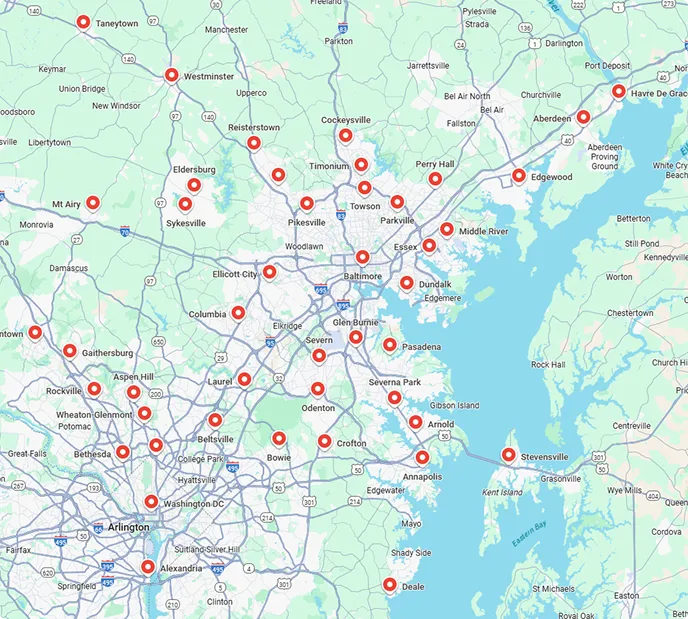
Service areas