

Smart Thermostats Installation in Bethesda, MD
Tario HVAC offers smart thermostats installation in Bethesda, MD, delivering improved comfort, energy efficiency, and centralized control for diverse home systems. We outline compatibility checks, wiring solutions, and professional installation steps, including C-wire assessment, power modules, and safe mounting. Our service also covers integration with Google Home, Amazon Alexa, and Apple HomeKit, plus programming, remote access, and ongoing maintenance. Expect measurable heating and air-conditioning savings, clearer energy reports, and reliable long-term performance when Tario HVAC's qualified technicians handle system assessment, installation, and aftercare.
.webp)
Smart Thermostats Installation in Bethesda, MD
Upgrading to a smart thermostat is one of the most effective home improvements for comfort, control, and energy efficiency in Bethesda, MD. Whether you live in an older home near downtown Bethesda or a newer townhouse in the suburbs, a properly selected and installed smart thermostat can optimize heating and cooling around the region's humid summers and chilly winters.
Why a professional smart thermostat installation matters in Bethesda, MD
- Bethesda homes often have mixed HVAC systems: forced-air furnaces, heat pumps, boilers, and multi-stage units. Professional installers ensure the thermostat selected is compatible with the exact system type.
- Older homes may lack a common "C-wire" or have legacy wiring and controls. Technicians troubleshoot wiring and provide reliable C-wire solutions to avoid frequent disconnections or battery drain.
- Humidity control and seasonal setback strategies are important here. Proper setup prevents short-cycling and keeps indoor comfort consistent across hot, humid summers and cold snaps.
Common smart thermostat issues in Bethesda, MD homes
- No C-wire present or insufficient power to the thermostat, causing random shutdowns or inability to connect to Wi-Fi.
- Incompatibility with heat pumps, multi-stage systems, or older boiler controls.
- Incorrect wiring or configured stages that lead to poor temperature control or HVAC wear.
- Weak Wi-Fi coverage in basements or mechanical rooms preventing remote access or voice control.
- Improperly programmed schedules that negate potential energy savings during seasonal changes.
Types of smart thermostats and model selection
Selecting the right model depends on HVAC complexity, smart home platform preference, and desired features:
- Basic smart thermostats: remote access, scheduling, and basic learning features — good for single-stage forced-air systems.
- Learning thermostats: adapt to occupancy patterns and optimize runtime — useful for owners who prefer set-and-forget convenience.
- Multi-stage and heat pump-compatible models: required for multi-stage compressors, two-stage furnaces, or integrated heat pump systems commonly found in Bethesda homes.
- Platform-specific models: choose units that natively support Apple HomeKit, Google Home, or Amazon Alexa if voice and ecosystem integration are priorities.
A professional installer will match thermostat capabilities to your equipment and your preferred smart home platform to avoid feature gaps.
Compatibility checks, system assessment, and wiring solutions
- Visual inspection of the furnace/air handler/boiler control board to identify control voltages and available wires.
- Verification of system type: single-stage, multi-stage, heat pump, or hybrid systems (dual fuel) common in the Mid-Atlantic region.
- C-wire assessment: if a dedicated C-wire is absent, technicians will recommend one of several reliable solutions:
- Running a new C-wire from the control board.
- Installing a compatible power adapter or C-wire converter kit.
- Using thermostats that include integrated power modules when appropriate.
- Ensuring proper isolation and surge protection to protect sensitive electronics from voltage issues.
Professional installation steps (what a homeowner can expect)
- Pre-install consultation: confirm model, compatibility, and any wiring requirements specific to Bethesda homes.
- Power down and safety checks at the HVAC control panel.
- Remove the old thermostat, label existing wires, and document the control configuration.
- Install the smart thermostat base, wire connections, and any required power modules or adapters.
- Secure wall plate and ensure thermostat is level and mounted at an appropriate interior location away from direct sunlight or drafts.
- Power up and verify HVAC components respond correctly to control commands and stage changes.
- Test Wi-Fi connectivity and perform platform pairing with home networks, smart assistants, or building automation as applicable.
Integration with existing HVAC systems and smart home platforms
- Integration covers both the physical control of HVAC equipment and digital connections to platforms like Google Home, Amazon Alexa, Apple HomeKit, and popular automation hubs.
- For heat pump systems or dual fuel setups, professional configuration ensures correct staging, emergency heat behavior, and defrost cycle management.
- Scene and routine setup: thermostats can be integrated into broader automation routines for away modes, humidity-based triggers, or geofencing tied to mobile devices.
- Local network considerations: strong, secure Wi-Fi, use of 2.4 GHz where necessary, and avoidance of interference from metal enclosures or HVAC motors.
Programming, remote-access setup, and user training
- Personalized schedule creation: weekday/weekend differences, vacation holds, and temporary overrides tailored to family routines and Bethesda seasonal needs.
- Geo-fence and occupancy settings to automatically adjust when residents come and go.
- Remote-access configuration: secure mobile app setup, multi-user access, and permissions for household members.
- Short walkthrough with homeowners on using the app, adjusting schedules, and interpreting energy reports so the system is easy to manage long term.
Energy-saving benefits and expected cost savings
- Typical savings: properly installed smart thermostats often deliver around 8-15% savings on heating and 15-25% on cooling, depending on user behavior and system efficiency.
- Example impact: for a household with average annual HVAC costs, these percentages translate into noticeable reductions on seasonal utility bills in Bethesda’s variable climate, especially by managing cooling demand during humid months.
- Beyond direct savings: reduced equipment runtime, optimized compressor starts, and fewer emergency calls extend HVAC component life and reduce maintenance needs.
- Energy reports and usage analytics provided by many models help homeowners identify additional savings opportunities and validate performance over time.
Warranty, support options, and reliability
- Most smart thermostat manufacturers include limited warranties (typically 1-3 years) covering electronics and defects; professional installers may offer installation-specific guarantees for wiring and setup.
- Post-install support options commonly include remote troubleshooting, firmware updates, and configuration adjustments to respond to seasonal changes or network updates.
- Documentation provided at handover should detail factory warranty coverage, recommended maintenance checks, and steps to restore settings after power interruptions.
Maintenance tips and long-term performance
- Replace HVAC filters regularly and schedule annual system tune-ups to maintain efficient operation and accurate thermostat control.
- Keep thermostat firmware up to date to ensure security and feature improvements.
- Check Wi-Fi strength in the thermostat location and consider a mesh network or access point if remote control becomes unreliable.
- Revisit schedules with seasonal shifts to maximize both comfort and savings.
Smart thermostats installation in Bethesda, MD is most effective when the device is matched to your specific HVAC system, installed with correct wiring or power solutions, and programmed to reflect local climate patterns and household routines. Professional assessment and installation reduce the risk of compatibility issues, ensure seamless smart home integration, and deliver the energy and comfort benefits that make this upgrade a practical, long-term improvement for local homes.

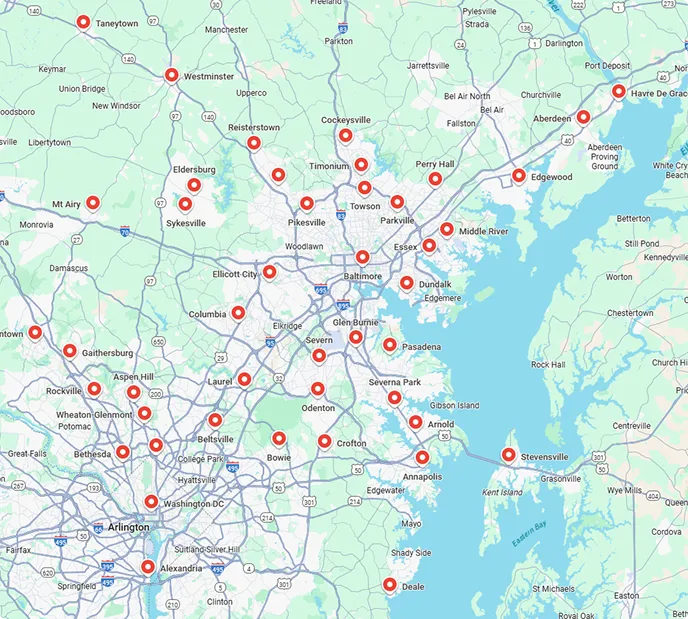
Service areas