

Furnace Tune-Up in Taneytown, MD
A professional furnace tune-up from Tario HVAC is the most effective way to keep your heating system reliable, efficient, and safe through Taneytown’s cold months. Regular seasonal maintenance with Tario HVAC reduces the risk of mid-winter breakdowns, lowers energy bills, and identifies developing problems before they become costly repairs. For Taneytown homes, where winter temperatures dip and furnaces run hard, a focused tune-up is an important investment in comfort and household safety.
.jpeg)
Furnace Tune-Up in Taneytown, MD
A professional furnace tune-up is the most effective way to keep your heating system reliable, efficient, and safe through Taneytown’s cold months. Regular seasonal maintenance reduces the risk of mid-winter breakdowns, lowers energy bills, and identifies developing problems before they become costly repairs. For Taneytown homes, where winter temperatures dip and furnaces run hard, a focused tune-up is an important investment in comfort and household safety.
What a complete furnace tune-up includes
A thorough furnace tune-up in Taneytown, MD covers inspection, cleaning, testing, and small adjustments to restore peak performance. Core tasks typically include:
- Cleaning burners and heat exchanger surfaces to ensure complete combustion and reduce soot buildup.
- Cleaning and inspecting blower wheel and coils to restore airflow and heat transfer.
- Checking and calibrating the thermostat for accurate temperature control and runtime optimization.
- Testing safety controls (limit switch, pressure switch, flame sensor, ignition controls) to verify safe operation.
- Lubricating motors and moving parts where applicable to reduce wear and noise.
- Verifying combustion efficiency and CO levels with a combustion analyzer to ensure proper fuel burning and occupant safety.
- Inspecting venting and flue connections for leaks, corrosion, or blockages that can cause backdrafting.
- Examining filters, supply and return ducts, and airflow and advising on filter type and replacement frequency.
- Measuring gas pressure or fuel delivery (for natural gas, propane, or oil systems) and adjusting burners for optimal flame and efficiency.
- Providing a written service report listing tasks completed, measurements taken, and any recommended repairs or parts replacements.
Common furnace issues uncovered during tune-ups
During a tune-up technicians often find common problems that reduce system life and increase bills. Typical issues include:
- Dirty or clogged burners causing yellow flames, soot, incomplete combustion, and higher fuel use.
- Restricted airflow from dirty filters or obstructed ductwork leading to overheating and short cycling.
- Worn belts or bearings that create noise and reduce blower efficiency.
- Faulty ignition or flame sensors that cause intermittent failures or long pilot times.
- Cracked heat exchangers which are a serious safety concern due to carbon monoxide risk.
- Improper combustion settings from unadjusted gas pressure or nozzle wear (common on oil burners).
- Corroded or loose venting that can allow dangerous combustion byproducts into the home.
Finding and correcting these issues during a tune-up prevents emergency repairs and improves safety in Taneytown homes where winters require continuous furnace operation.
Tune-up process and expected duration
A professional tune-up follows a consistent process so every system is inspected and optimized:
- Visual inspection of the unit, venting, and surrounding area for safety and damage.
- Check and replace or advise on air filter status; inspect ductwork access points.
- Test thermostat and start-up sequence, observe ignition and burner operation.
- Clean burners, flame sensor, and blower assembly as needed.
- Lubricate motors and moving parts where serviceable.
- Measure combustion efficiency, carbon monoxide, and draft; adjust for correct combustion.
- Test safety controls and electrical connections; tighten where required.
- Document findings, provide measured values, and recommend repairs or improvements.
Most residential tune-ups take about 60 to 90 minutes for a standard single-family home. Systems that are older, heavily soiled, or require additional inspection (such as oil burners or accessory components) may take longer.
Benefits for performance and energy bills
A properly executed tune-up delivers several tangible benefits for Taneytown homeowners:
- Improved fuel efficiency — a tuned furnace can operate more efficiently, often reducing heating costs by a noticeable margin (typical industry improvements range from 5% to 15% depending on system condition).
- Fewer breakdowns — early detection of worn parts prevents unexpected failures during cold snaps.
- Longer equipment life — regular maintenance slows wear and extends the usable life of your furnace.
- Safer operation — combustion testing and heat exchanger inspection reduce the risk of carbon monoxide exposure.
- Better comfort — consistent temperatures and improved airflow reduce hot and cold spots in the home.
- Cleaner indoor air — removing soot, dust, and debris from the system improves overall air quality.
Recommended timing for seasonal tune-ups in Taneytown, MD
Timing maintenance to local seasonal patterns delivers the best results:
- Primary annual tune-up in early fall before the first sustained cold spell. This ensures your system is ready for heavy winter use.
- Consider a late-winter or early-spring check for oil-fired systems or homes that experienced heavy use, to catch wear from the season.
- Rural Taneytown homes using propane or oil may need additional checks on fuel delivery components and combustion nozzles.
- If you’ve lived somewhere with milder winters lately, don’t skip the fall check — even one cold snap with an unmaintained furnace can lead to failures.
Annual maintenance is the industry standard. In older systems or high-use households, consider semi-annual inspections.
Maintenance tips between professional tune-ups
Simple homeowner practices keep furnaces running smoothly between service visits:
- Replace or clean filters every 1 to 3 months depending on filter type and household conditions.
- Keep vents and registers clear of furniture, curtains, and clutter to maintain airflow.
- Maintain at least a 3-foot clearance around the furnace for airflow and safety.
- Test carbon monoxide detectors monthly and replace batteries as needed.
- Set thermostats to avoid excessive short cycling; programmable or smart thermostats can reduce runtime without sacrificing comfort.
- Watch for unusual noises, odors, or higher-than-normal fuel bills and schedule inspection if noticed.
What to expect in your service report
A professional tune-up should conclude with a written summary that includes:
- A checklist of tasks performed.
- Measured combustion values and CO readings.
- Component condition notes and any parts that need attention.
- Recommended timeline for repairs or part replacements.
- Notes on any safety concerns discovered during inspection.
Q: How long does a furnace tune-up in Taneytown typically take?
A: Most residential tune-ups take about 60 to 90 minutes. Older or heavily soiled systems and oil burners may require additional time.
Q: Will a tune-up lower my heating bills?
A: Yes. A properly performed tune-up improves combustion and airflow efficiency and commonly reduces heating costs by a noticeable percentage depending on system condition.
Q: How often should I schedule a furnace tune-up in Taneytown?
A: Annual tune-ups in early fall are recommended. Homes with oil or propane systems or heavy-use households may benefit from additional checks.
Q: Are carbon monoxide tests included in a furnace tune-up?
A: Combustion analysis and CO checks are standard parts of a thorough tune-up to verify safe operation.
Q: My furnace is noisy and cycles on and off frequently. Can a tune-up help?
A: Yes. A tune-up diagnoses causes such as clogged filters, blower issues, or control problems and can correct them or recommend repairs.
Q: Do oil furnaces need different tune-up tasks than gas furnaces?
A: Yes. Oil systems often require nozzle inspection/replacement, oil filter checks, and specific combustion adjustments in addition to standard tune-up tasks.

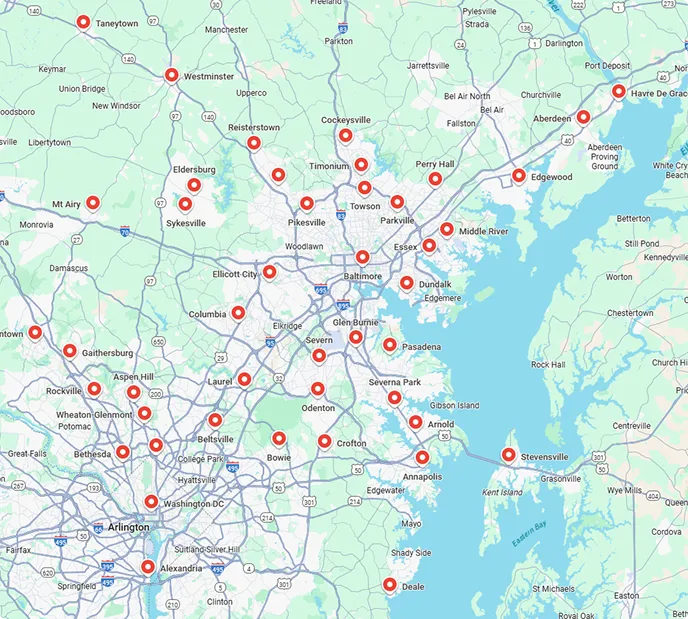
Service areas