

Furnace Installation in Taneytown, MD
Winters in Taneytown often bring prolonged cold spells and damp conditions, turning an inefficient or aging furnace into a significant household burden. A proper furnace installation from Tario HVAC in Taneytown, MD, won't just restore consistent comfort; it will also lower your energy use, improve indoor air quality, and ensure both safety and code compliance for your home. We offer a clear, expert walkthrough of the complete new furnace installation process, specifically tailored for Taneytown homes, addressing common issues homeowners face, and explaining what to expect once the job is finished.
-min.webp)
Furnace Installation in Taneytown, MD
Winter in Taneytown can bring prolonged cold spells and damp conditions that make an inefficient or aging furnace a major household burden. A proper furnace installation in Taneytown, MD not only restores consistent comfort but lowers energy use, improves indoor air quality, and ensures safety and code compliance for your home. Below is a clear, expert walkthrough of the full new furnace installation process tailored to Taneytown homes, common issues homeowners face, and what to expect after the job is complete.
Why replace or upgrade your furnace now
- Older furnaces lose efficiency, increasing heating bills throughout Maryland winters.
- Intermittent heating, frequent cycling, or rising repair costs are signs it is more cost effective to replace than to keep repairing.
- New high-efficiency units handle Taneytown humidity and temperature swings better and often include improved filtration and safer venting.
- Converting from oil or propane to a modern natural gas or high-efficiency electric option may deliver significant operational savings, depending on local fuel availability and infrastructure.
Common furnace problems and reasons to install new equipment
- Uneven heating and cold rooms from undersized equipment or compromised ductwork.
- Frequent breakdowns and expensive repairs on units 15 years or older.
- Rising carbon monoxide risk from cracked heat exchangers.
- Inefficient fuel use in older oil or non-condensing gas furnaces.
- Inadequate venting for high-efficiency units or code noncompliant installations.
The new furnace installation process in Taneytown, MD
This section describes the typical, professional approach to a new furnace installation tailored to local building practices and climate concerns.
1. Site assessment
- Inspect the existing furnace location, flue, combustion air intake, and nearby clearances.
- Evaluate fuel type and supply: natural gas connection, propane tank, oil tank, or electric service capacity.
- Check the age and condition of existing ductwork, air handler, and thermostat systems.
- Consider installation constraints in older or historic Taneytown homes where space, access, or venting routes may be limited.
2. Load calculations and unit selection
- Perform Manual J heating load calculations to size the furnace correctly for your Taneytown home. Proper sizing prevents short cycling and ensures even comfort.
- Select between gas, propane, oil, or electric/heat pump options based on fuel availability, long-term cost projections, and efficiency goals.
- Choose efficiency rating appropriate for Maryland climate and homeowner priorities. High-efficiency condensing furnaces require different venting and condensate handling than older units.
- Consider air quality upgrades such as variable speed blowers, multi-stage burners, and enhanced filtration for better comfort and reduced humidity issues.
3. Ductwork and venting modifications
- Inspect and seal or replace damaged ducts to prevent energy loss common in older area homes.
- Modify duct transitions, add return paths, or rebalance airflow to eliminate hot or cold spots.
- Install or adapt venting systems for new furnace type: B-vent, direct vent, or PVC venting for condensing furnaces. Proper vent terminations and clearances are required for safety and performance.
- Add condensate drains and traps as needed for high-efficiency units to manage Maryland’s humidity without corrosion or leakage.
4. Permitting and code compliance
- Obtain necessary permits from Carroll County and Taneytown municipal authorities. Installations must meet state and local building and fuel gas codes.
- Ensure proper combustion air provisions, vent terminations, and electrical connections consistent with code.
- Keep documentation of permits, model numbers, and compliance inspections for homeowner records and warranty requirements.
5. Step-by-step installation procedures
- Safely disconnect and remove the old furnace and properly dispose of any regulated materials such as oil tanks or refrigerants.
- Prepare the installation area, level the cabinet, and mount the new furnace according to manufacturer instructions.
- Make gas, oil, or electrical connections using approved fittings and wiring practices.
- Connect the furnace to the duct system and verify seals and mechanical supports.
- Install venting and combustion air components, ensuring recommended clearances and terminations are met.
6. Post-installation testing and commissioning
- Perform initial start-up checks: gas pressure, heat exchanger integrity check, burner operation, and ignition reliability.
- Verify airflow, static pressures, and temperature rise across the furnace to confirm correct operation.
- Test safety controls including limit switches, flame sensors, and carbon monoxide detection compatibility.
- Inspect venting for proper draft and absence of spillage; measure CO levels where applicable.
- Balance the system and calibrate the thermostat or control system for optimal performance.
7. Homeowner handover and documentation
- Provide the homeowner with clear operating instructions, recommended thermostat settings for efficiency, and maintenance schedule.
- Explain filter types and replacement intervals, and show how to change filters safely.
- Review safety features, emergency shutoff procedures, and signs that require immediate attention.
- Hand over equipment manuals, warranty information, permit paperwork, and the results of commissioning tests.
- Recommend a first-season follow-up inspection to confirm performance after a few months of operation.
Long-term benefits and seasonal maintenance
- Regular maintenance extends furnace life and preserves efficiency. Typical checks include burner cleaning, filter changes, combustion testing, and duct inspection.
- Schedule annual preseason maintenance to avoid breakdowns during Taneytown cold snaps.
- Properly sized and installed systems reduce energy use and improve comfort while lowering the risk of carbon monoxide incidents and costly emergency repairs.
FAQs
Q: How long does a typical furnace installation in Taneytown, MD take?
A: Most straight-forward replacements take one day for removal and installation, with additional time if ductwork modifications, permitting, or fuel conversions are required.
Q: Will I need a permit for a furnace replacement in Taneytown?
A: Yes. Furnace installations normally require local permits and inspections to ensure compliance with Carroll County and Taneytown building and fuel codes.
Q: How is the correct furnace size determined for my home?
A: A professional heating load calculation, commonly called Manual J, evaluates your home size, insulation, window types, and local climate to recommend the proper capacity.
Q: Can I switch from oil to gas or electric in Taneytown?
A: Conversion depends on fuel availability, infrastructure, and cost considerations. A site assessment will confirm feasibility and required upgrades.
Q: What should I expect during the homeowner handover?
A: You should receive operating instructions, maintenance recommendations, warranty paperwork, and results of safety and performance tests performed at commissioning.
Q: How often should I have my new furnace serviced?
A: Annual maintenance before the heating season is recommended; homes with heavy use or pets may benefit from biannual checks and filter changes.

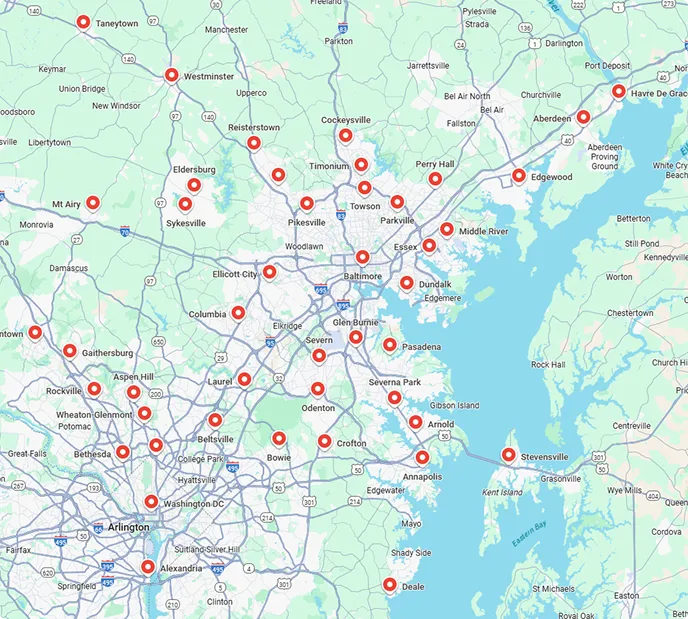
Service areas