

Furnace Replacement in Taneytown, MD
Tario HVAC provides a comprehensive guide to furnace replacement in Taneytown, MD, outlining when replacement is warranted and how we evaluate systems. We'll explain proper sizing with Manual J calculations, efficiency considerations (AFUE ranges), and how ductwork, venting, and safety affect performance. We'll detail the replacement process from initial evaluation through permitting, installation, startup, and warranty considerations. Our team also covers installation timelines, common issues, cost savings, maintenance, and tips to preserve system efficiency and comfort during Taneytown winters.
Furnace Replacement in Taneytown, MD
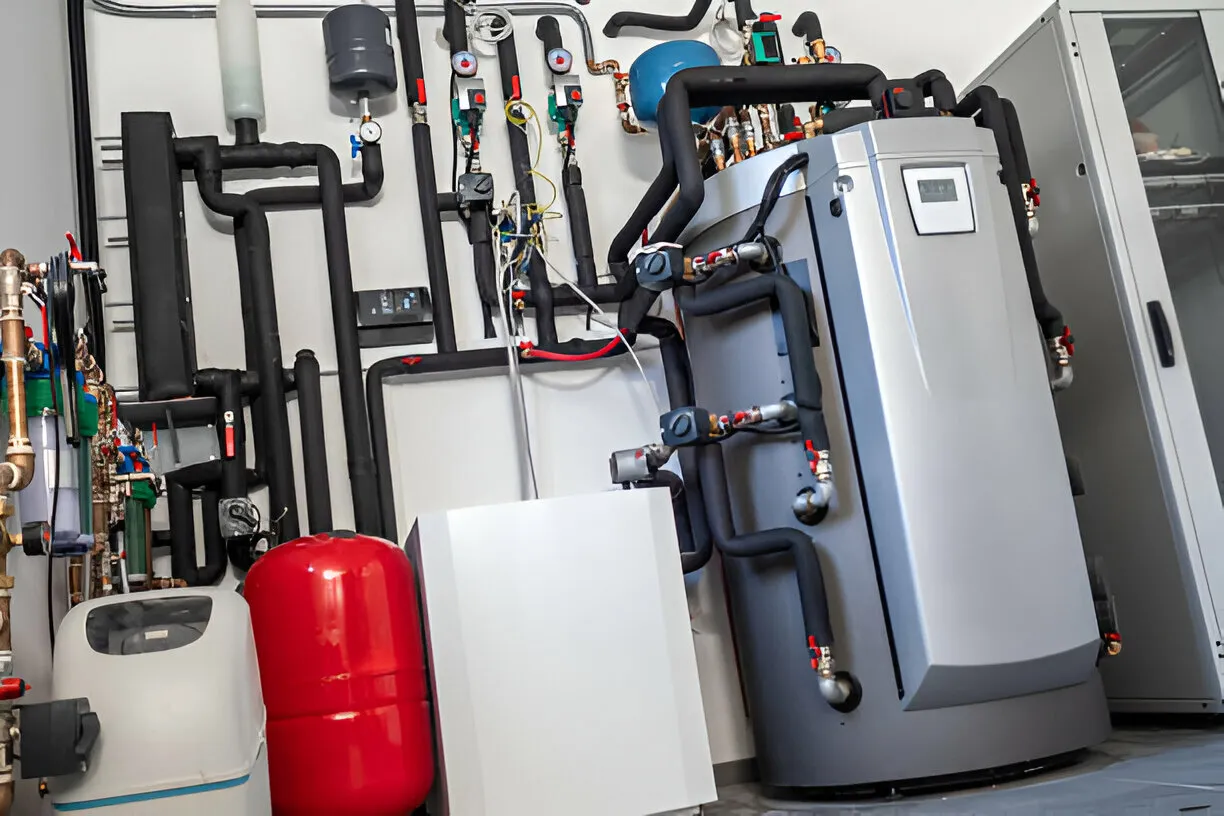
Replacing a furnace is one of the most impactful home upgrades for comfort, safety, and long-term energy savings in Taneytown, MD. With cold, prolonged winters and a mix of older and newer construction in the area, choosing the right furnace replacement involves more than picking the most efficient model. The right system must be sized correctly, matched to your ductwork and home envelope, and installed with attention to local permitting and safety standards. This page explains the full furnace replacement process, common issues Taneytown homeowners face, how replacement improves efficiency and costs, and what to expect from evaluation through warranty coverage.
Why furnace replacement matters in Taneytown, MD
Taneytown experiences frequent below-freezing temperatures and extended heating seasons. Homes here often see higher heating loads than more temperate areas, so an inefficient or improperly sized furnace can cause uncomfortable rooms, high fuel bills, and increased repair frequency. Replacing an aging 60 to 80 percent AFUE furnace with a modern 90 to 98 percent AFUE condensing model can noticeably improve comfort and lower annual heating costs, especially in colder months.
Common furnace replacement issues in Taneytown, MD
- Rising heating bills despite regular service — often a sign of declining efficiency.
- Frequent repairs on systems older than 15 years.
- Uneven heating or short cycling caused by improper sizing or airflow restrictions.
- Safety concerns such as cracked heat exchangers, carbon monoxide risk, or faulty venting.
- Ductwork problems in older homes: leaks, poor insulation, or undersized runs that reduce system performance.
- Conversion needs from oil to gas or adapting to new fuel sources or thermostat controls.
How we evaluate whether you need furnace replacement
A thorough system evaluation addresses performance, safety, and efficiency:
- Visual inspection of the furnace, burner, heat exchanger, flue, and combustion air paths.
- Measurement of current AFUE performance and combustion efficiency where applicable.
- Assessment of ductwork condition, airflow, and static pressure to identify leaks or restrictions.
- Manual J load calculation or equivalent sizing assessment to determine proper furnace capacity for your home.
- Review of thermostat compatibility, zoning needs, and potential integration with existing HVAC systems.
This diagnostic step ensures replacement recommendations focus on long-term performance rather than short-term fixes.
Sizing guidance and efficiency considerations
Correct sizing is critical. An oversized furnace will short cycle, causing wear and uneven temperature; an undersized furnace will struggle to maintain comfortable temperatures on very cold Taneytown nights. Sizing uses a Manual J load calculation to account for home square footage, insulation, window types, orientation, and local climate factors.
Efficiency is expressed as AFUE. Typical categories:
- Standard non-condensing furnaces: 80 to 85 percent AFUE
- High-efficiency condensing furnaces: 90 to 98 percent AFUE
Higher AFUE units recover more heat from combustion, but they also may require condensate drainage and slightly different venting. Consider features like variable-speed blowers and modulating gas valves for better comfort and lower operating costs.
Comparing makes and models
When evaluating brands and models, focus on these attributes:
- AFUE rating and expected fuel use
- Heat exchanger warranty and typical warranty length for burners and panels
- Blower type: ECM or variable speed for quieter operation and better zonal comfort
- Staged or modulating burners for smoother temperature control and efficiency
- Compatibility with smart thermostats and existing HVAC components
- Availability of local service and parts to minimize future downtime
Different manufacturers excel in reliability, parts availability, and warranty support. Matching system features to your home’s needs and your family’s comfort preferences yields the best long-term results.
Removal, disposal, and permitting
A professional replacement includes safe disconnection of electrical and fuel lines, flue removal or adaptation, and proper handling of any combustion byproduct concerns. Old equipment is removed and disposed of in accordance with local Taneytown and Carroll County regulations, with metal and recyclable components handled separately when possible. Many installations require permits and post-installation inspections from local authorities to confirm safe venting, gas connections, and electrical work.
Typical installation timeline
- Initial evaluation and load calculation: 1 visit, same or next day scheduling in many cases.
- Equipment selection and ordering: 1 to 14 days depending on model availability.
- Permit acquisition: timing varies by local permitting offices; often completed before the install date.
- Installation day: most straight replacements are completed in 4 to 8 hours. Complex jobs involving duct modification or fuel conversion can take 1 to 2 days.
- Post-installation startup and safety checks: included same day. Technicians will measure airflow, confirm combustion safety, program thermostats, and walk through system operation with homeowners.
Financing and rebate options
Homeowners can often access a combination of options to offset replacement costs:
- Manufacturer financing programs or third-party financing plans tailored to home improvements.
- Local utility and state energy efficiency rebates available for high-efficiency furnaces or equipment upgrades.
- Seasonal manufacturer or dealer incentives that may reduce net cost.
- Federal or state tax credits when applicable for qualifying high-efficiency equipment or broader energy retrofit projects.
Always review program eligibility and timing since rebate availability and qualification criteria change. Proper documentation and manufacturer certificates may be required.
Warranty information
New furnaces come with varying warranty structures:
- Heat exchanger warranties often range from 10 years to lifetime on higher-end units.
- Parts warranties typically range from 1 to 10 years depending on model and registration requirements.
- Labor warranties are provided by the installer and vary by company and the scope of the service.
Registering the unit with the manufacturer and retaining purchase documentation helps preserve warranty coverage. Understand what is covered under labor vs parts vs heat exchanger before finalizing equipment selection.
Expected efficiency and cost savings
Replacing an old 60 to 80 percent AFUE furnace with a 95 to 98 percent AFUE condensing furnace can reduce natural gas consumption significantly. Actual savings depend on local fuel prices, home envelope quality, and usage patterns. In Taneytown, where winters are colder and longer, efficiency improvements typically yield larger annual savings compared to milder climates. In addition to fuel savings, modern systems improve comfort, reduce repair costs, and can extend the lifespan of associated components like air handlers and thermostats.
Post-replacement maintenance and tips
- Schedule annual maintenance for combustion safety checks, burner cleaning, and airflow verification.
- Change filters regularly and consider higher efficiency filters if compatible.
- Seal and insulate ducts to preserve system capacity and reduce distribution losses.
- Use programmable or smart thermostats to optimize runtimes and reduce wasted heat.
- Keep the equipment area clear and accessible for service.
A properly selected and installed furnace improves comfort, lowers operating costs, and provides reliable heat through Taneytown winters. Replacing aging equipment is a decision that pays dividends in energy savings, safety, and peace of mind for local homeowners.

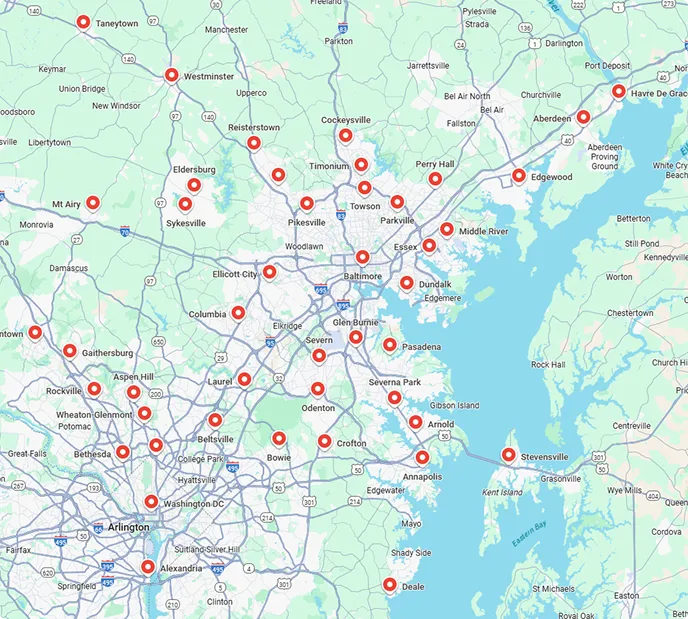
Service areas