

Furnace Tune-Up in Silver Spring, MD
A professional furnace tune-up from Tario HVAC is the single most effective preventive step you can take to keep your home warm, safe, and energy-efficient through Silver Spring winters. With cold snaps, fluctuating temperatures, and seasonal humidity that can accelerate wear, Silver Spring, MD homes benefit from a thorough inspection and adjustment of gas furnaces before and during heating season. Tario HVAC's tune-up addresses common failure points, improves combustion safety, restores peak efficiency, and reduces the chance of an inconvenient mid-winter breakdown.
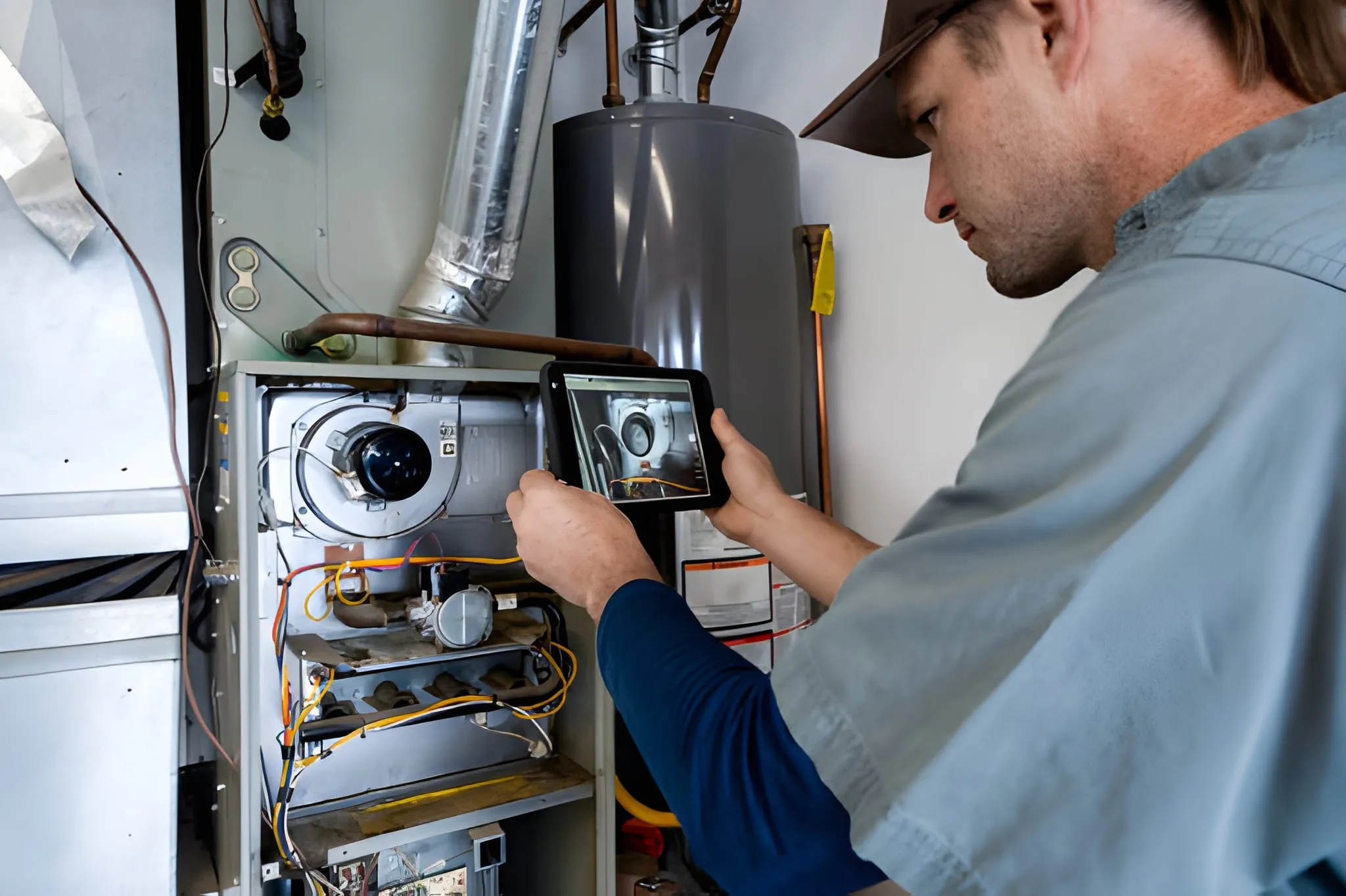
Furnace Tune-Up in Silver Spring, MD
A professional furnace tune-up is the single most effective preventive step you can take to keep your home warm, safe, and energy-efficient through Silver Spring winters. With cold snaps, fluctuating temperatures, and seasonal humidity that can accelerate wear, Silver Spring, MD homes benefit from a thorough inspection and adjustment of gas furnaces before and during heating season. A tune-up addresses common failure points, improves combustion safety, restores peak efficiency, and reduces the chance of an inconvenient mid-winter breakdown.
What a Furnace Tune-Up Covers (Checklist)
During a comprehensive furnace tune-up, technicians perform a step-by-step checklist to verify safe, efficient operation:
- Clean burners to remove soot and debris for consistent, efficient combustion
- Inspect and adjust ignition systems and controls (pilot, hot surface igniters, control boards) to ensure reliable starts
- Check safety switches (limit switches, roll-out and pressure switches) for correct operation and protective response
- Measure gas pressure and gas valve operation to confirm proper fuel delivery and safe combustion
- Test thermostat operation and calibration so the system responds accurately to temperature settings
- Verify combustion and venting (combustion analysis and flue inspection) to confirm correct air/fuel ratio and safe exhaust of combustion gases
- Inspect and clean the blower assembly for airflow efficiency and reduced motor strain
- Examine air filter and filter recommendations and replace or advise on the proper filter type if needed
- Tighten electrical connections and test capacitors to reduce risk of electrical failures
- Check duct connections and basic airflow to identify obvious leaks or blockages affecting performance
- Perform carbon monoxide and safety checks when appropriate, and document CO levels and vent integrity
Why Each Item Matters
- Cleaning burners and verifying combustion prevents inefficient burning that raises bills and produces soot that harms parts.
- Proper ignition and control adjustments reduce repeated restart cycles and premature component failure.
- Safety switch tests protect your family by ensuring the furnace will shut down under unsafe conditions.
- Measuring gas pressure ensures efficient energy use and minimizes the chance of incomplete combustion and CO production.
- Thermostat testing avoids short-cycling, uneven heating, and strain on the furnace.
Typical Tune-up Process and Diagnostics
- Initial inspection and system history review — Technician notes make, age, past issues, and observed symptoms.
- Visual and safety inspections — Check venting, flue, burners, heat exchanger access, and visible wiring.
- Filter and blower checks — Clean or recommend replacement; inspect blower motor and belts.
- Ignition and control tests — Cycle the unit through starts and stops while monitoring control responses.
- Gas pressure and combustion analysis — Use gauges and combustion analyzers to measure flame quality, CO and CO2, and adjust as needed.
- Airflow and thermostat verification — Confirm supply and return airflow and ensure thermostat reads and responds correctly.
- Final adjustments and documentation — Make safe performance adjustments, note recommended repairs, and provide a clear service summary.
Technicians may recommend immediate repairs if they identify safety issues (for example, cracked heat exchanger or dangerous CO levels). When no immediate danger exists, they’ll prioritize items by safety, efficiency impact, and cost.
Expected Service Duration and Frequency
- Duration: Most complete furnace tune-ups in Silver Spring take approximately 60 to 90 minutes for a single-family home with straightforward access. Older systems or units with access issues can take longer.
- Recommended frequency: At least once per year, ideally performed in late summer or early fall before heavy winter use. For older furnaces, high-use households, or units with previous issues, consider biannual inspections (pre- and mid-season).
Benefits for Silver Spring Homes
- Improved energy efficiency: A tuned furnace burns fuel more cleanly and runs fewer unnecessary cycles, which reduces heating costs during Maryland’s cold months.
- Increased reliability: Preventive adjustments lower the risk of sudden failures during extreme weather.
- Extended equipment life: Routine cleaning and calibration reduce wear on motors, burners, and controls, helping your furnace last longer.
- Enhanced safety: Verifying combustion and venting, checking safety switches, and measuring gas pressure reduce the risk of carbon monoxide exposure and gas-related hazards.
- Better comfort and airflow: Proper airflow and thermostat calibration mean steadier indoor temperatures and fewer cold spots.
Silver Spring’s seasonal humidity and tree pollen can clog filters faster and contribute to corrosion over time, so attention to filters and venting is particularly important in this area. Many homes in the region also have older systems or mixed heating setups; tune-ups help identify equipment near the end of service life so homeowners can plan replacements on their schedule rather than in an emergency.
Common Furnace Problems a Tune-up Can Prevent
- Frequent cycling or short-cycling
- Hard or inconsistent ignition
- Poor heat output or uneven heating
- Increased energy bills without a change in use
- Strange odors or visible soot around the furnace
- Persistent pilot light or combustion irregularities
- Carbon monoxide risk due to poor venting or combustion
Maintenance Tips Between Tune-ups
- Check and replace filters monthly during heavy use months.
- Keep the area around the furnace clear and free from dust and stored items.
- Ensure vents and returns are unobstructed for balanced airflow.
- Monitor for unusual noises, odors, or cycling behavior and schedule an inspection if symptoms appear.
- Have a CO detector on each floor and test detectors monthly.
Q: How soon before winter should I schedule a tune-up?
A: Schedule a tune-up in late summer or early fall to ensure peak performance before cold weather increases demand.
Q: Will a tune-up lower my heating bills?
A: Yes. Proper combustion, clean burners, and optimal airflow can improve efficiency and typically reduce fuel consumption compared with an untuned system.
Q: Can a tune-up detect carbon monoxide problems?
A: A professional tune-up includes combustion and venting checks and CO testing; if unsafe CO levels are found, technicians will treat it as a safety priority.
Q: How long does the improvement last after a tune-up?
A: A tune-up restores peak performance immediately; with good filter and airflow maintenance, benefits generally last until the next annual service, though component health and age affect longevity.
Q: Do tune-ups affect my furnace warranty?
A: Regular maintenance is often required to keep manufacturer warranties valid. Keeping documented annual tune-ups supports warranty compliance.
Q: What should I do before the technician arrives?
A: Clear access to the furnace and thermostat, note any concerns or unusual symptoms, and ensure pets are secured for technician access.

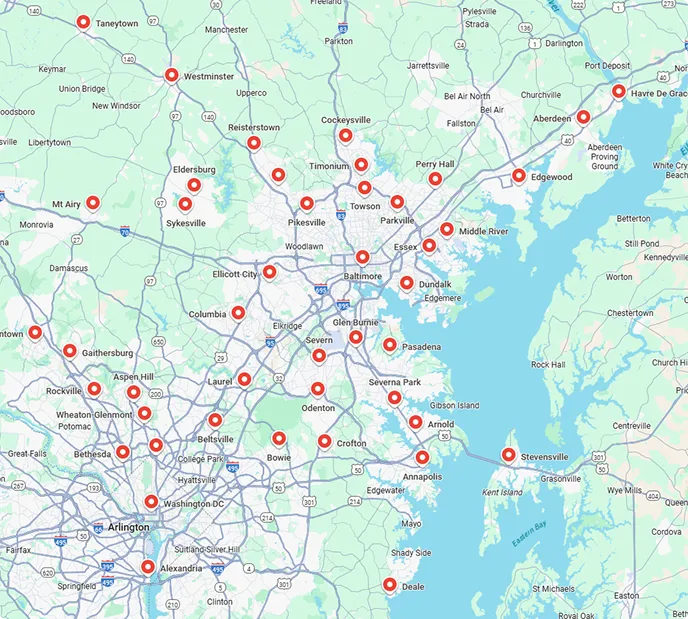
Service areas