

Furnace Repair in Silver Spring, MD
A properly functioning furnace is absolutely essential for comfort and safety in Silver Spring, MD homes and businesses, especially during those cold winter months. At Tario HVAC, our furnace repair services in Silver Spring, MD focus on delivering fast, accurate diagnostics and long-term repairs for both residential and commercial systems. Whether you're dealing with ignition or pilot failures, blower motor problems, thermostat malfunctions, gas valve or control issues, or concerns about your heat exchanger, knowing our repair process and preventive steps will help you make confident decisions when service is needed.
.jpeg)
Furnace Repair in Silver Spring, MD
A properly functioning furnace is essential for comfort and safety in Silver Spring, MD homes and businesses, especially during cold winter months. Furnace Repair in Silver Spring, MD focuses on fast, accurate diagnostics and long-term repairs for both residential and commercial systems. Whether you have ignition or pilot failures, blower motor problems, thermostat malfunctions, gas valve or control issues, or concerns about the heat exchanger, understanding the repair process and preventive steps helps you make confident decisions when service is needed.
Why timely furnace repair matters in Silver Spring, MD
Silver Spring experiences cold, damp winters that place heavy demand on heating systems. Delaying repairs can lead to:
- Higher energy bills from inefficient operation
- Increased risk of complete system failure during cold snaps
- Unsafe conditions if gas valves, ignition systems, or heat exchangers are compromisedPrompt diagnostic work and targeted repairs restore efficiency, extend equipment life, and reduce safety risks.
Common furnace issues in Silver Spring homes and businesses
Here are the frequent problems technicians see locally and what typically causes them:
- Ignition and pilot problems
- Causes: dirty pilot orifice, failing electronic igniter, faulty flame sensor, or inconsistent gas supply
- Symptoms: furnace won’t light, intermittent heating cycles, unusual clicking sounds
- Blower motor failures
- Causes: worn bearings, capacitor failure, dust-clogged blower, or electrical faults
- Symptoms: weak airflow, unusual motor noise, system short cycles
- Thermostat malfunctions
- Causes: calibration drift, wiring issues, low batteries in programmable units, or incompatible thermostats on newer systems
- Symptoms: temperature swings, furnace not responding, constant running
- Gas valve and control issues
- Causes: mechanical wear, electrical control board failures, or gas line irregularities
- Symptoms: system won’t start, unsafe gas odor (requires immediate attention), or lockouts
- Heat exchanger concerns
- Causes: corrosion, cracks from thermal stress, or age-related deterioration
- Symptoms: reduced heating capacity, soot buildup, or risk of combustion gas leakage (CO risk)
How a furnace diagnostic works
A professional diagnostic isolates the root cause and produces a repair plan. Typical diagnostic steps:
- Visual inspection of furnace cabinet, filters, venting, and combustion area
- Check of thermostat settings and wiring
- System start-up with observation of ignition sequence, flame quality, and safety interlocks
- Electrical testing of motors, capacitors, switches, and control boards
- Gas pressure and valve operation checks (for gas-fired units)
- Combustion analysis and CO checks if heat exchanger integrity is in questionDiagnostics are documented and prioritized by safety, system uptime, and cost-effectiveness so you know which repairs are essential and which can be deferred.
Typical repair procedures and parts
Repair procedures depend on the diagnosed issue. Common repairs include:
- Replacing or cleaning igniters, flame sensors, and pilot assemblies
- Repairing or replacing blower motors, belts, and capacitors
- Recalibrating or replacing thermostats and updating control settings
- Replacing gas valves, control boards, relays, and safety switches
- Repair or replacement of severely cracked heat exchangers; minor corrosion may be addressed if safe and cost-effectiveParts used are industry-standard replacement components matched to the furnace make and model. Labor includes disassembly, component replacement, system testing, and cleanup. When replacement parts are not recommended, repair options and long-term implications are explained.
Emergency response, timelines, and what to expect
- Emergency response options: For no-heat situations, gas odors, or suspected CO leaks, immediate on-site response is critical. Emergency service prioritizes safety checks, gas shutoff procedures, and temporary measures to restore heat.
- Typical timelines:
- Simple fixes (thermostat, filter, igniter cleaning): same-day or within 24 hours
- Component replacements (blower motor, ignition module): 24 to 72 hours depending on part availability
- Major repairs (heat exchanger replacement or full furnace replacement): 3 to 7 days for assessment, parts procurement, and schedulingFactors that affect timelines include part availability for older systems, seasonal demand during cold spells, and whether a commercial-size system requires special ordering.
Warranty and parts guarantees
Industry-standard practices include:
- Manufacturer warranties on new parts and heat exchangers (terms vary by manufacturer)
- Aftermarket parts often carry a parts warranty for a defined period
- Labor warranties are commonly offered for a limited period following repair workBe sure to review warranty terms for both parts and labor so you understand coverage durations and any maintenance requirements to keep warranties valid.
Preventative maintenance to reduce future breakdowns
Regular maintenance reduces emergency repairs and extends equipment life. Recommended actions for Silver Spring properties:
- Replace filters every 1 to 3 months, depending on use and filter type
- Annual professional tune-ups before the heating season: clean burners, inspect heat exchanger, lubricate motors, and test safety controls
- Keep outdoor vents and combustion air intake clear of leaves, snow, and debris
- Consider programmable or smart thermostats to optimize run times and prevent short cycling
- For older systems, plan for replacement before frequent repairs become more costly than investing in a new, high-efficiency furnace
Safety notes specific to Silver Spring homes
- Carbon monoxide risk increases with cracked heat exchangers and incomplete combustion; any suspicion of CO requires immediate ventilation and professional testing.
- Older rowhomes and houses with tight insulation may have different combustion-air needs. Ensure proper venting and make sure combustion air pathways are not blocked during home weatherization projects.
Frequently asked questions
Q: How long will a furnace diagnostic take?
A: Diagnostics typically take 30 minutes to 90 minutes for residential furnaces, longer for commercial systems. Time varies with system complexity and safety checks required.
Q: Can a heat exchanger be repaired or must it be replaced?
A: Small corrosion areas sometimes can be managed, but cracks or significant corrosion usually require replacement for safety reasons.
Q: Is it safe to run the furnace if it smells like gas?
A: No. A gas odor indicates a potential leak and requires immediate shutdown of the appliance, ventilation of the space, and professional inspection.
Q: How often should a furnace get a professional tune-up in Silver Spring?
A: Once a year before the heating season is recommended; older or heavily used systems may benefit from biannual checks.
Q: What factors increase repair costs?
A: Age of the system, availability of replacement parts, severity of the issue (safety-related repairs are prioritized), and whether additional work is needed on venting or gas supply all influence repair costs.
This information is intended to help Silver Spring homeowners and businesses understand typical furnace problems, the diagnostic and repair process, and maintenance strategies that keep heating systems safe and reliable through Maryland winters.

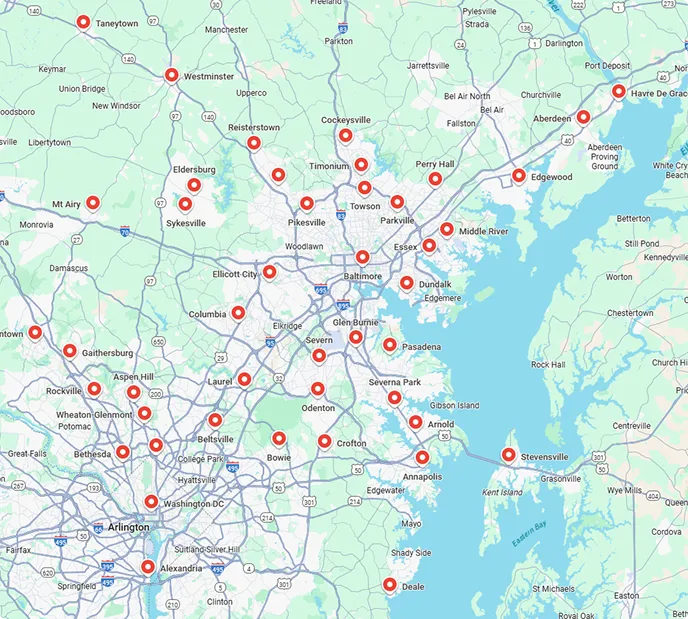
Service areas