

Furnace Maintenance in Silver Spring, MD
Keeping your furnace well-maintained is absolutely essential for comfort, safety, and lower energy bills here in Silver Spring, MD. Those seasonal temperature swings—from humid summers to cold, damp winters—really put extra stress on heating systems. That's why regular furnace maintenance from Tario HVAC in Silver Spring, MD is so valuable; it reduces breakdown risk during peak demand, significantly improves efficiency, and even protects your indoor air quality in homes that experience heavy pollen and humidity through spring and summer.
Furnace Maintenance in Silver Spring, MD
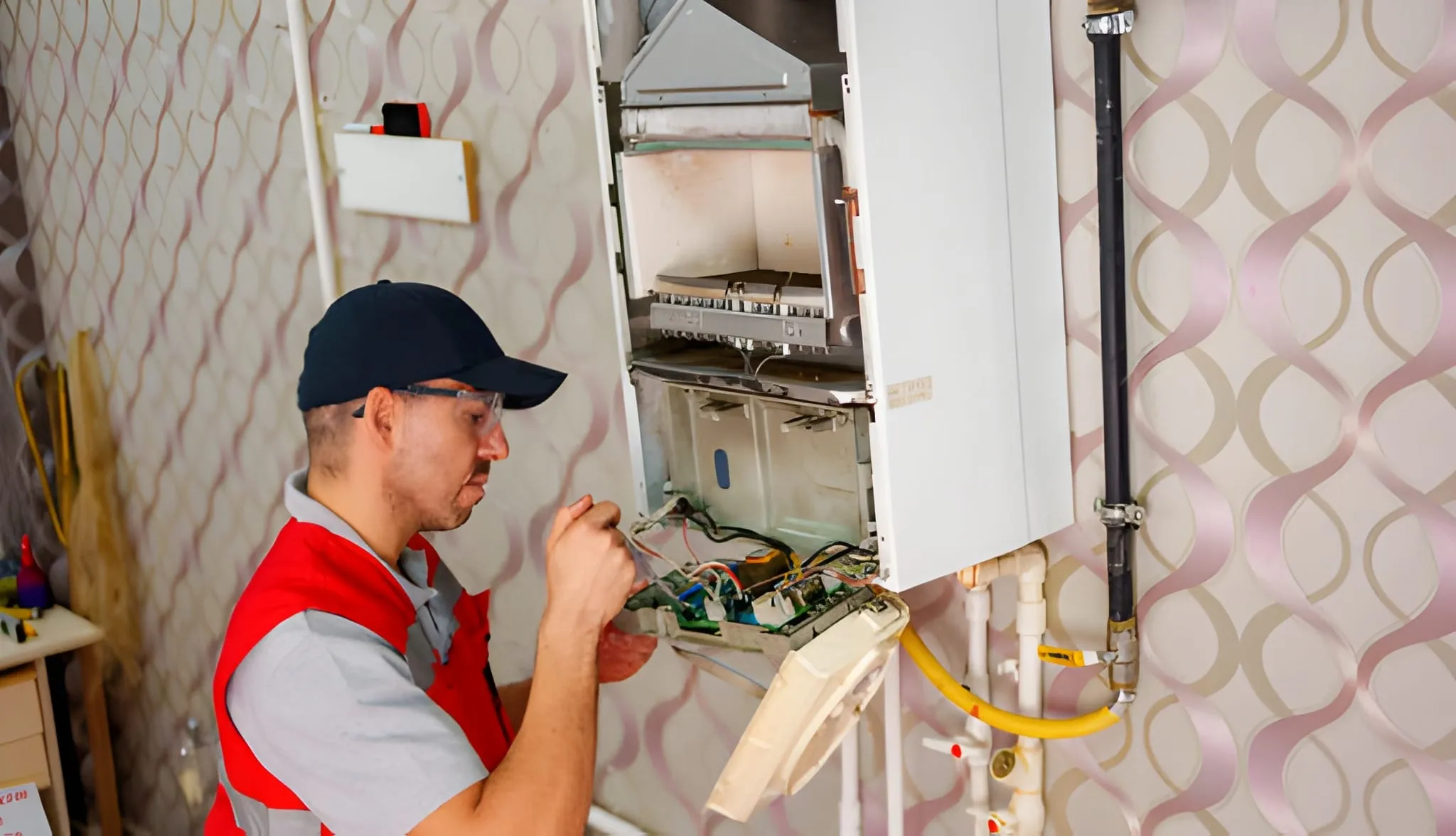
Keeping your furnace well-maintained is essential for comfort, safety, and lower energy bills in Silver Spring, MD. Seasonal temperature swings—from humid summers to cold, damp winters—put extra stress on heating systems. Regular furnace maintenance in Silver Spring, MD reduces breakdown risk during peak demand, improves efficiency, and protects indoor air quality in homes that experience heavy pollen and humidity through spring and summer.
Why preventive furnace maintenance matters in Silver Spring
Silver Spring’s climate and housing stock create specific demands on furnaces:
- Colder winters and occasional cold snaps increase runtime, accelerating wear.
- High humidity and spring pollen can clog filters and encourage rust or corrosion in metal components.
- Many local homes use natural gas furnaces; proper combustion and ventilation checks are critical for carbon monoxide safety.Regular maintenance addresses these local factors before they become emergency repairs.
Common furnace maintenance issues in Silver Spring homes
- Clogged or dirty filters — Reduced airflow, higher energy use, uneven heating, and reduced indoor air quality.
- Dirty burners and heat exchangers — Soot buildup, inefficient combustion, and hotspotting that shortens equipment life.
- Ignition or pilot failures — Electronic ignitors and pilots can fail after heavy use or lack of cleaning.
- Blower motor and belt wear — Noisy operation, reduced airflow, and premature motor failure if not lubricated or adjusted.
- Cracked heat exchanger — A safety risk that can allow combustion gases into the home; early inspection is vital.
- Poor thermostat calibration or controls — Leads to cycles that are too short or long, increasing wear and costs.
- Ductwork and vent issues — Leaks, blockages, or pest intrusion that reduce efficiency and distribute dust or odors.
What a thorough furnace maintenance visit includes
A professional maintenance visit follows a clear checklist to restore safe, efficient operation. Key steps include:
- Seasonal tune-up and visual inspection
- Check overall system condition, cabinet seals, and gas connections.
- Inspect flue and venting for proper draft and obstructions.
- Filter inspection and replacement schedule
- Evaluate filter type and condition. Standard recommendation: replace 1–3 months for disposable filters; longer for high-efficiency media or electrostatic filters depending on household conditions (pets, allergies, construction).
- Set a tailored filter replacement schedule for your home.
- Burner and heat exchanger cleaning
- Remove soot, inspect burner ports, and clean for consistent flame pattern.
- Visually inspect the heat exchanger for cracks or corrosion; recommend further testing if any concerns arise.
- Safety and combustion checks
- Test for proper combustion, flame color (steady blue is desirable), and exhaust flow.
- Check carbon monoxide safety and ensure vents and chimneys are clear.
- Verify operation of safety controls and limit switches.
- Blower and airflow optimization
- Clean the blower wheel, check motor operation, lubricate bearings where applicable, and test airflow across the system.
- Inspect belts and pulleys and adjust or replace as needed.
- Thermostat calibration and electrical checks
- Confirm thermostat accuracy, replace batteries if applicable, and inspect wiring and control modules.
- Check electrical connections and measure current draw on motors.
- System performance documentation
- Record static pressures, temperature rise, and other baseline performance metrics to track changes year-to-year.
Membership and service-plan options for ongoing reliability
Routine maintenance programs save money and headaches when tailored to local conditions. Typical plan features homeowners find valuable:
- Annual fall furnace tune-up scheduled before winter demand increases.
- Priority scheduling during peak cold weather months for members.
- Filter replacement plans with reminders based on filter type and household needs.
- Discounts on repairs and parts within the terms of the membership.
- System performance records and reminders via email or text to ensure timely service.These programs are designed to increase equipment life, support warranty requirements, and keep homes in Silver Spring safe and comfortable.
Scheduling, reminders, and what to expect over the year
- Best timing: Schedule your furnace tune-up in early fall to ensure reliable performance when temperatures drop.
- Reminder cadence: An annual service reminder is typical, with more frequent notifications for filter changes (every 1–3 months depending on type).
- What to expect during visits: Technicians will run tests and make minor adjustments on the spot. If a repair or replacement is needed, they’ll document the issue and the recommended next steps.
- Seasonal handoffs: For homes with combined HVAC systems, coordinate furnace maintenance with cooling system checks in spring to keep all components operating efficiently year-round.
Benefits of regular furnace maintenance for Silver Spring homeowners
- Lower energy bills — Clean burners, properly adjusted airflow, and calibrated controls reduce wasted fuel.
- Improved reliability — Preventive work reduces emergency breakdowns during cold spells.
- Longer equipment life — Regular lubrication, cleaning, and adjustments prevent accelerated wear.
- Enhanced safety — Early detection of cracked heat exchangers, leaks, and combustion issues protects against carbon monoxide and fire risks.
- Better indoor air quality — Timely filter changes and duct checks reduce dust, pollen, and allergens circulating in the home.
- Documentation for warranties and resale — Service records support warranty claims and demonstrate maintenance to future buyers.
Maintenance tips for Silver Spring homeowners
- Replace or inspect filters more often during pollen season and after renovations.
- Keep the area around the furnace clear of clutter, stored items, and combustible materials.
- Monitor carbon monoxide detectors regularly, especially during extended furnace use in winter.
- Note any unusual smells, noises, or cycling behavior and record when they occur—this helps technicians diagnose issues faster.
Q: How often should I schedule furnace maintenance in Silver Spring, MD?
A: An annual professional tune-up in early fall is recommended, with filter changes every 1–3 months depending on filter type, pets, and household sensitivity to allergens.
Q: Can routine maintenance reduce my heating bills?
A: Yes. Regular cleaning, calibration, and airflow optimization improve combustion efficiency and reduce energy waste, often lowering monthly heating costs.
Q: What are signs my furnace needs immediate attention?
A: Frequent cycling, strange noises, yellow or flickering flame, soot, odors of burning or gas, or elevated carbon monoxide detector readings require prompt inspection.
Q: Will maintenance extend the life of my furnace?
A: Routine preventive maintenance addresses wear points and keeps components operating within design tolerances, which typically extends equipment life and delays costly replacements.
Q: Are there furnace maintenance considerations specific to Silver Spring?
A: Yes. High humidity and seasonal pollen can clog filters and increase corrosion risk, and Maryland winters increase runtime—both make regular inspections and filter schedules especially important.
Q: What does a filter replacement schedule look like for a typical home?
A: Disposable fiberglass or pleated filters are often changed every 1–3 months; higher-efficiency or larger media filters may last longer. Adjust frequency if you have pets, allergies, or recent home construction.

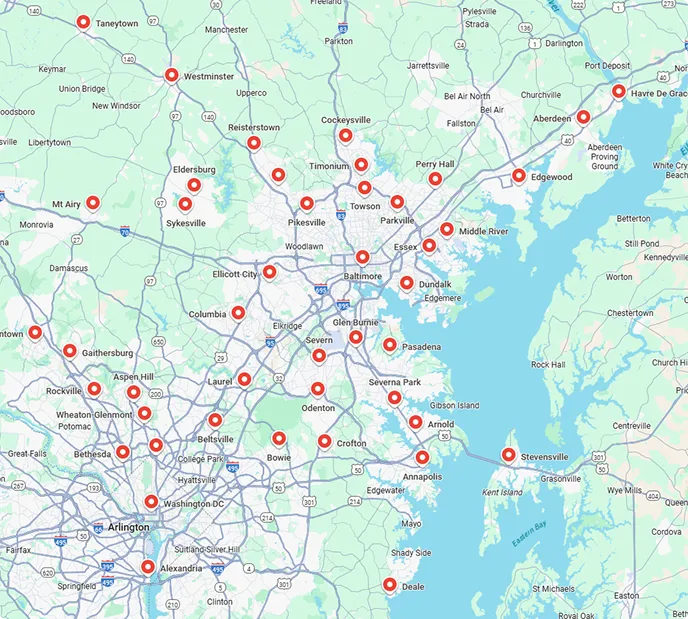
Service areas