

Furnace Tune-Up in Severna Park, MD
A professional furnace tune-up from Tario HVAC in Severna Park, MD protects your home from unexpected breakdowns, improves comfort during the colder months, and reduces energy waste. With coastal humidity, occasional salt-laden air, and cold Chesapeake Bay-influenced winters, local furnaces face corrosion, moisture-related issues, and heavier seasonal use. A thorough seasonal tune-up by Tario HVAC addresses those specific risks while optimizing efficiency and safety for your home.
Furnace Tune-Up in Severna Park, MD
A professional furnace tune-up in Severna Park, MD protects your home from unexpected breakdowns, improves comfort during the colder months, and reduces energy waste. With coastal humidity, occasional salt-laden air, and cold Chesapeake Bay-influenced winters, local furnaces face corrosion, moisture-related issues, and heavier seasonal use. A thorough seasonal tune-up addresses those specific risks while optimizing efficiency and safety for your home.
What a furnace tune-up in Severna Park, MD includes
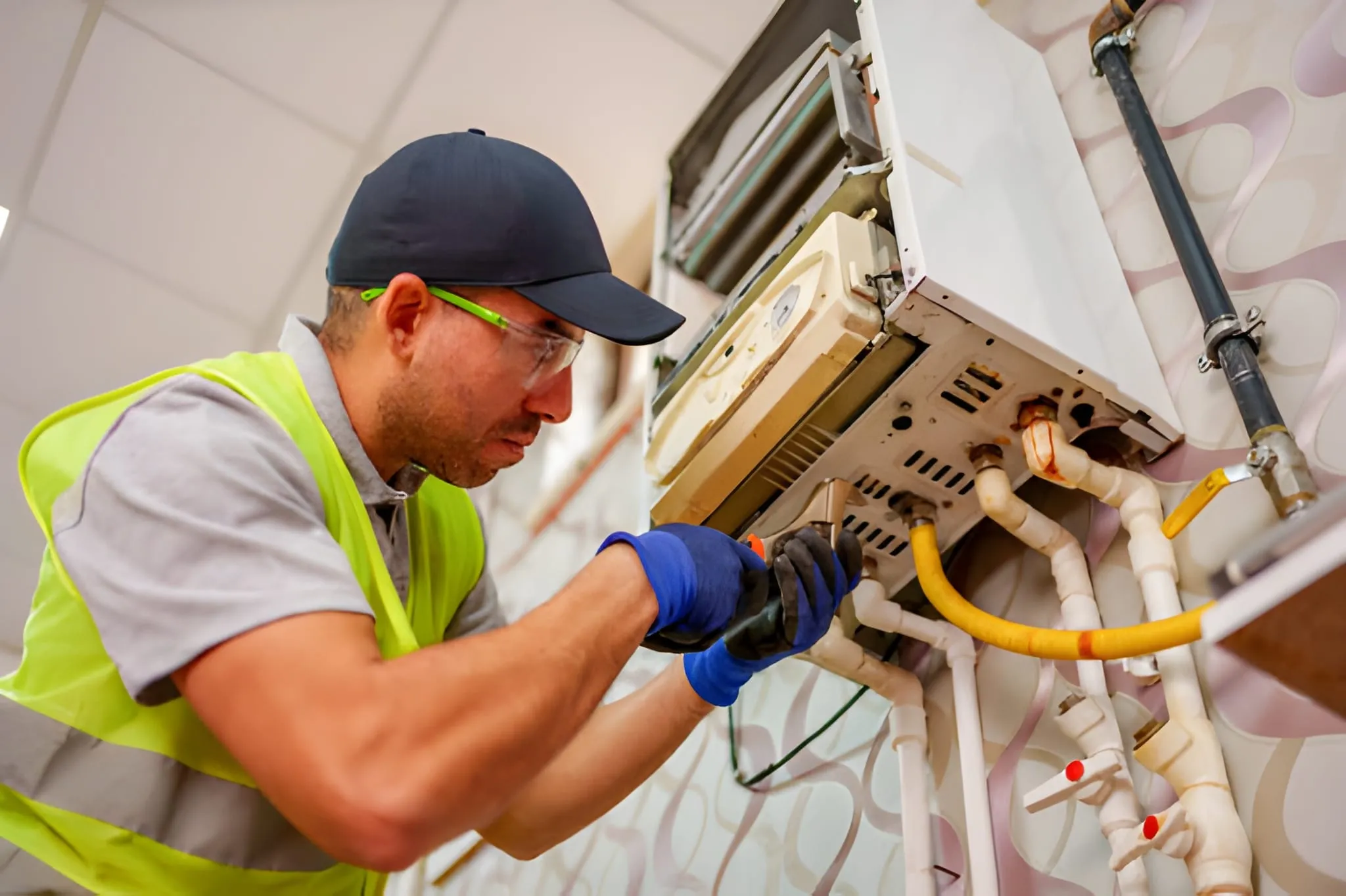
A complete tune-up inspects, cleans, and tests every major component that affects performance and safety. Typical elements included are:
- Inspection and cleaning of key components: burners, heat exchanger, pilot assembly or ignition system, flame sensor, and combustion chamber.
- Blower and belt checks: cleaning blower wheel, testing motor operation, and inspecting or adjusting drive belts for wear and proper tension.
- Thermostat calibration: verifying temperature accuracy and control response.
- Ignition and pilot system testing: confirming reliable start-up and safe flame operation.
- Combustion analysis and safety checks: measuring combustion efficiency and checking for carbon monoxide and proper venting.
- Filter inspection and recommendations: assessing filter condition and advising replacement type/frequency for local air conditions.
- Electrical connections and controls: tightening terminals, checking capacitors and relays for safe operation.
- Flue and vent inspection: verifying clear, corrosion-free pathways to the exterior to prevent backdrafting.
Common furnace tune-up issues in Severna Park homes
Severna Park homes frequently exhibit several repeat problems that a tune-up can prevent or correct:
- Dirty burners and soot buildup reduce heat transfer and increase fuel use.
- Clogged filters and restricted airflow lead to short cycling and uneven heating.
- Corrosion on exterior venting and some internal parts can be accelerated by humid, coastal air.
- Malfunctioning ignition or pilot systems cause intermittent start failures.
- Faulty thermostats or poor calibration result in temperature swings and wasted runtime.
- Worn blower motors or belts lead to noise, reduced airflow, and higher electrical draw.
- Cracked heat exchangers and improper venting create safety hazards that need prompt attention.
The tune-up process explained
A professional tune-up follows a systematic process to confirm safe, efficient operation:
- Pre-inspection walkthrough: Technician notes system model, age, visible issues, previous maintenance history, and homeowner concerns.
- Safety disconnect: Power and gas controls are isolated as needed before detailed work begins.
- Cleaning and debris removal: Combustion components, blower assembly, and accessible ducts are cleaned to restore airflow and combustion quality.
- Mechanical and electrical checks: Motors, belts, bearings, capacitors, and wiring are inspected, tightened, and lubricated if required.
- Combustion and venting test: A combustion analyzer measures fuel-to-air ratio, flue gases, and carbon monoxide levels to confirm safe venting and efficient combustion.
- Calibration and functional tests: Thermostat calibration, burner sequencing, and cycle testing ensure consistent starts and stops.
- Final inspection and report: Findings, recommended repairs or part replacements, and maintenance advice are summarized for the homeowner.
Each step reduces the chance of mid-winter failure and identifies problems that, if left untreated, lead to costly repairs or safety risks.
Expected improvements after a tune-up
After a properly executed furnace tune-up in Severna Park you should notice:
- Better efficiency: Cleaner burners and optimized combustion lower fuel consumption.
- Reduced operating costs: Less wasted runtime and fewer short cycles reduce energy bills.
- Improved reliability: Preventive maintenance decreases the chance of sudden breakdowns.
- Longer equipment life: Lubrication, cleaning, and timely adjustments reduce wear on components.
- Safer operation: Combustion testing and vent inspections reduce carbon monoxide and fire hazards.
- Quieter, more consistent heating: Properly adjusted blowers and calibrated thermostats improve comfort.
Recommended frequency for tune-ups
Annual tune-ups before the heating season are standard for most Severna Park homes. Homes with older furnaces, heavy seasonal use, or previous issues with corrosion and moisture may benefit from more frequent checks. Regular, timely maintenance is also often required to keep manufacturer warranties valid.
When to schedule an inspection sooner
Have your furnace checked promptly if you notice:
- Unusual smells such as a persistent fuel or burning odor.
- Yellow or flickering pilot flame instead of a steady blue flame.
- Sudden increases in heating bills without a change in usage.
- Frequent on-off cycling or failure to reach set temperatures.
- Excessive noise from the blower or combustion area.
- Visible rust, cracks in the heat exchanger, or signs of soot.
- Carbon monoxide alarm activation or symptoms of CO exposure in the household.
Addressing those signs early can prevent emergency service calls and reduce safety risks.
Simple maintenance tips for Severna Park homeowners
- Replace or clean filters regularly; local humidity can speed filter clogging.
- Keep return vents and registers clear of furniture and obstructions.
- Maintain a dry, ventilated area around any furnace or mechanical room to minimize corrosion.
- Inspect visible vent piping annually for rust, leaks, or loose fittings.
- Seal and insulate ducts in unconditioned spaces to reduce heat loss and moisture infiltration.
- Schedule your tune-up before the first cold snap to ensure readiness.
Q: How long does a professional furnace tune-up typically take?
A: Most comprehensive tune-ups take about 60 to 90 minutes depending on system size, age, and any additional diagnostics required.
Q: Will a tune-up fix a furnace that will not light or a system with a broken heat exchanger?
A: A tune-up can diagnose ignition and safety issues and may resolve some starting problems, but major component failures such as a cracked heat exchanger require repair or replacement beyond routine maintenance.
Q: Are combustion and carbon monoxide tests part of a tune-up?
A: Yes. Combustion analysis and carbon monoxide safety checks are standard parts of a thorough tune-up to confirm safe venting and efficient fuel use.
Q: How does Severna Park climate affect my furnace?
A: Coastal humidity and occasional salt in the air can accelerate corrosion and moisture-related problems. That makes regular inspections and cleaning particularly important to protect metal components and maintain combustion and venting integrity.
Q: How often should filters be changed in Severna Park homes?
A: Replace disposable filters every 1 to 3 months depending on filter type, household occupancy, pets, and local humidity. High-humidity homes or homes with pets typically need more frequent changes.

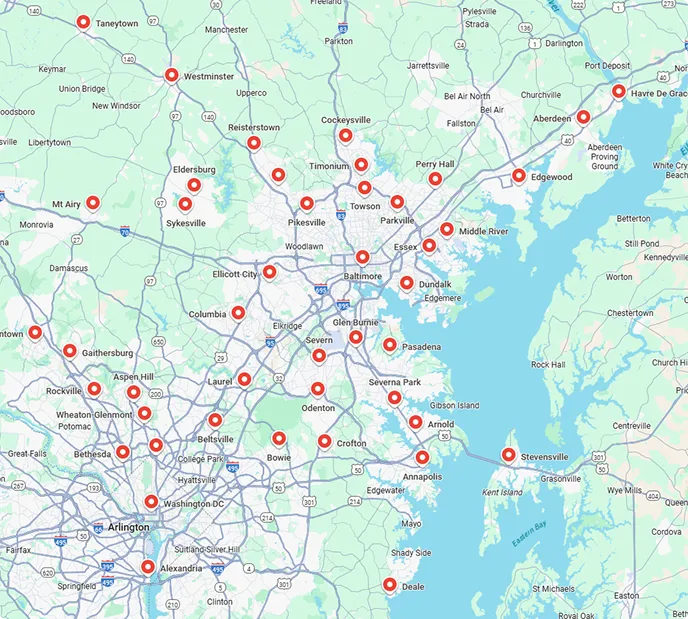
Service areas