

Furnace Repair in Severna Park, MD
A reliable furnace is crucial for comfort and safety during Maryland winters. At Tario HVAC, our furnace repair services in Severna Park, MD focus on quickly diagnosing and fixing the most common heating failures homeowners experience—like no-heat events, short-cycling, or issues with ignition, pilot, blower, and thermostat faults. We also consider local factors such as coastal humidity and older home systems. When you call us, you can expect a professional repair visit that includes on-site procedures, safety checks, and clear explanations of typical problems in the area, emergency response options, estimated timelines, and preventative steps to keep your system running efficiently.
.jpeg)
Furnace Repair in Severna Park, MD
A reliable furnace is essential for comfort and safety during Maryland winters. Furnace Repair in Severna Park, MD focuses on diagnosing and fixing the most common heating failures homeowners face — no-heat events, short-cycling, ignition and pilot problems, blower and thermostat faults — while accounting for local factors like coastal humidity and older home systems.
Common furnace repair issues in Severna Park homes
- No heat or intermittent heat: Caused by failed ignition systems, gas valve problems, clogged burners, or control board faults. Cold snaps in Anne Arundel County make this a high-priority issue.
- Short-cycling (furnace frequently turns on and off): Often due to clogged filters, oversized units, failing limit switches, or airflow restrictions from dirty ducts in older Severna Park houses.
- Ignition and pilot problems: Electronic ignitors and pilot assemblies can wear out or fail, especially in humid or salt-air environments near the Chesapeake Bay where corrosion accelerates component wear.
- Blower motor and fan issues: Burnt-out motors, failing capacitors, or debris in the blower assembly cause poor airflow and uneven heating.
- Thermostat malfunctions: Incorrect calibration, wiring faults, or communication errors between thermostat and furnace can prevent proper operation.
- Pressure switch, flame sensor, or limit switch failures: These safety controls prevent unsafe operation but will shut down the furnace if they detect a fault.
- Condensing furnace problems: High-efficiency units common in modern installations can suffer from clogged condensate drains, cracked secondary heat exchangers, or blocked venting.
- Ductwork and airflow problems: Leaks or blockages in older duct systems reduce efficiency and may cause the furnace to overwork.
Diagnostic process — how issues are identified
- Initial system interview: Technicians collect symptoms (when problem started, recent noises, odor, cycles) to shape diagnostics.
- Visual and safety inspection: Check gas lines, venting, flue pathways, condensate lines (for condensing furnaces), and obvious corrosion from coastal humidity.
- Electrical and control checks: Measure voltages, inspect control boards, test safety switches (limit, pressure), and verify thermostat signals.
- Combustion and ignition testing: Observe ignition sequence, flame quality, and test flame sensor and gas valve operation.
- Airflow assessment: Inspect filters, blower assembly, return ducts, and supply registers to identify restrictions.
- System operation test: Run the furnace through a heating cycle to reproduce symptoms and verify repair needs.
On-site repair procedures and parts replacement policy
- Repair workflow: After diagnosis, a qualified technician explains the problem and outlines repair options (component repair vs replacement). Repairs focus on restoring safe, efficient operation while preserving system longevity.
- Common parts replaced: Ignitors, flame sensors, blower motors, capacitors, control boards, limit switches, pressure switches, gas valves, and condensate components for high-efficiency units.
- Parts policy: Technicians typically carry common replacement parts to complete repairs the same day when possible. If special-order parts are required, repairs may be delayed until parts arrive. Replacement parts are selected for compatibility and long-term reliability.
- Safety-first repairs: Any repair affecting gas, combustion, or ventilation includes post-repair safety tests — combustion analysis where required, leak checks, and verification of proper venting and flame characteristics.
- Documentation: Technicians document the diagnosis, parts used, and safety checks performed so homeowners understand the work completed.
Emergency and after-hours response
- Priority assessment: For loss of heat during extreme cold, suspected gas smell, or carbon monoxide alarm activation, technicians prioritize safety and triage calls for emergency response.
- After-hours procedures: Emergency visits focus on temporary measures to restore safe operation (e.g., disabling system for safety, temporary bypasses) followed by scheduled follow-up for complete repairs.
- Triage steps: Immediate steps often include shutting off gas if a leak is suspected, installing temporary heat solutions if safe, and securing the property while planning full repair.
Estimated repair timelines and what affects them
- Quick repairs (30–90 minutes): Filter changes, thermostat recalibration, flame sensor cleaning, capacitor replacement, simple blower fixes.
- Moderate repairs (2–4 hours): Ignitor replacement, blower motor swap, gas valve replacement, control board replacement.
- Extensive repairs (same day to several days): Major heat exchanger replacement, complex venting work, or parts that must be ordered.
- Timeline factors: Part availability, system age, access to the unit, presence of corrosion from coastal air, and whether permits or inspections are required for gas-line or major component replacements.
Cost factors (qualitative)
- Complexity of the repair: Safety-critical components and control boards increase labor and parts needs.
- Parts required: OEM vs aftermarket parts, and whether specialty components must be ordered.
- System accessibility and age: Older or hard-to-access furnaces can increase labor time.
- Local code and permit requirements: Some gas and venting repairs may require permitting and inspection, affecting final cost and timeline.
- Note: Costs vary significantly by job; a technician’s on-site diagnosis provides the most accurate estimate.
Technician qualifications and safety checks
- Typical qualifications: Technicians servicing furnaces in Maryland should be trained in gas furnace service, hold relevant HVAC certifications, be experienced with high-efficiency condensing systems, and follow local licensing requirements where applicable.
- Safety credentials and training: Expect technicians to perform gas leak checks, pressure and combustion safety tests when applicable, verify proper venting, and inspect carbon monoxide safety considerations.
- Tools and measurement: Use of meters, combustion analyzers (for oil/gas systems when required), and diagnostic equipment ensures repairs are safe and compliant with code.
- Professional standards: Work includes pre- and post-repair safety verification and documentation of all safety checks performed.
How scheduling a service visit typically works
- Request and appointment window: Homeowners schedule an appointment and receive a service window for arrival. Emergency situations receive priority triage.
- Arrival and walk-through: Technician conducts a visual and operational assessment, explains findings, and provides repair options and an estimate.
- Authorization and repair: After agreeing to the scope, repairs begin with safety measures in place. If parts are not on hand, a timeline for return is provided.
- Follow-up and documentation: Completed repairs include documentation of services, parts installed, and recommended maintenance.
Maintenance and prevention tips for Severna Park homeowners
- Seasonal filter changes: Replace or clean filters regularly to prevent short-cycling and airflow restriction.
- Annual tune-up: Schedule a professional inspection before winter to check heat exchanger, ignition, combustion, and safety controls.
- Address moisture and corrosion: Inspect venting and outdoor components for rust or salt-air damage; protect exposed components where possible.
- Maintain clear vents and returns: Keep registers and returns free of furniture and debris to ensure balanced airflow.
- Carbon monoxide safety: Install and test CO detectors on every level with fuel-burning appliances and replace batteries regularly.
Q: How quickly can a furnace repair be completed?
A: Simple repairs can often be completed in under two hours; more complex repairs or parts that must be ordered can take a day or several days depending on availability and permitting requirements.
Q: What should I do if I smell gas or suspect a leak?
A: Evacuate the home, avoid using electrical switches or open flames, and follow local emergency protocols. A technician will prioritize gas leaks for immediate response and safety shutdown.
Q: Will my furnace repair require a permit or inspection?
A: Major gas-line work, heat exchanger replacement, or significant venting changes may require permits and inspections per local code. The technician will advise if a permit is needed after diagnosis.
Q: Are high-efficiency furnaces different to repair?
A: Yes. High-efficiency condensing furnaces have condensate drains, secondary heat exchangers, and different venting that require specific checks and maintenance to prevent clogging and corrosion.
Q: How can I reduce the chance of future breakdowns?
A: Regular seasonal maintenance, timely filter changes, addressing small issues early, and ensuring proper ventilation and corrosion protection for outdoor components helps extend the life of your furnace.

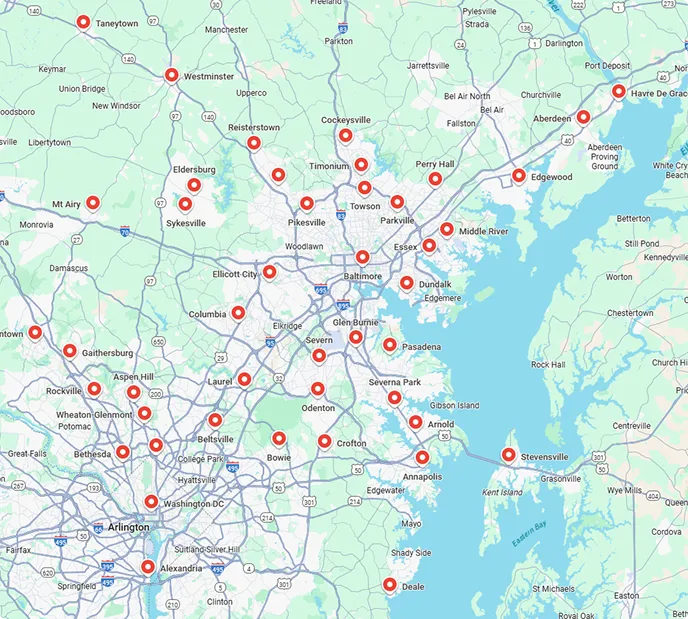
Service areas