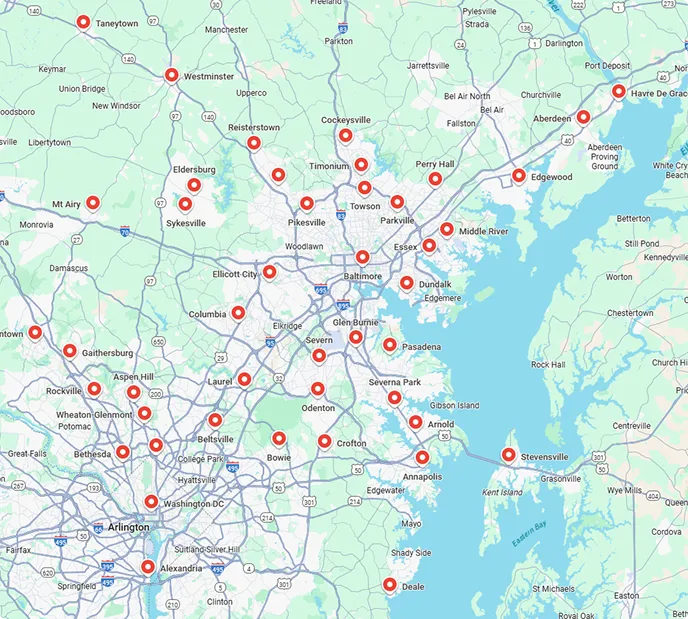


Furnace Maintenance in Severna Park, MD
Routine furnace maintenance from Tario HVAC is truly one of the simplest ways to keep your Severna Park home warm, efficient, and safe through the colder months. We understand that coastal humidity, salt air from the Chesapeake Bay, and those wide temperature swings between day and night place extra stress on heating systems in our area. That's why our regular tune-ups, diligent filter care, and thorough safety inspections are so important – they reduce breakdown risk, boost efficiency, and help prevent dangerous carbon monoxide problems — all crucial for homes in Severna Park, MD.
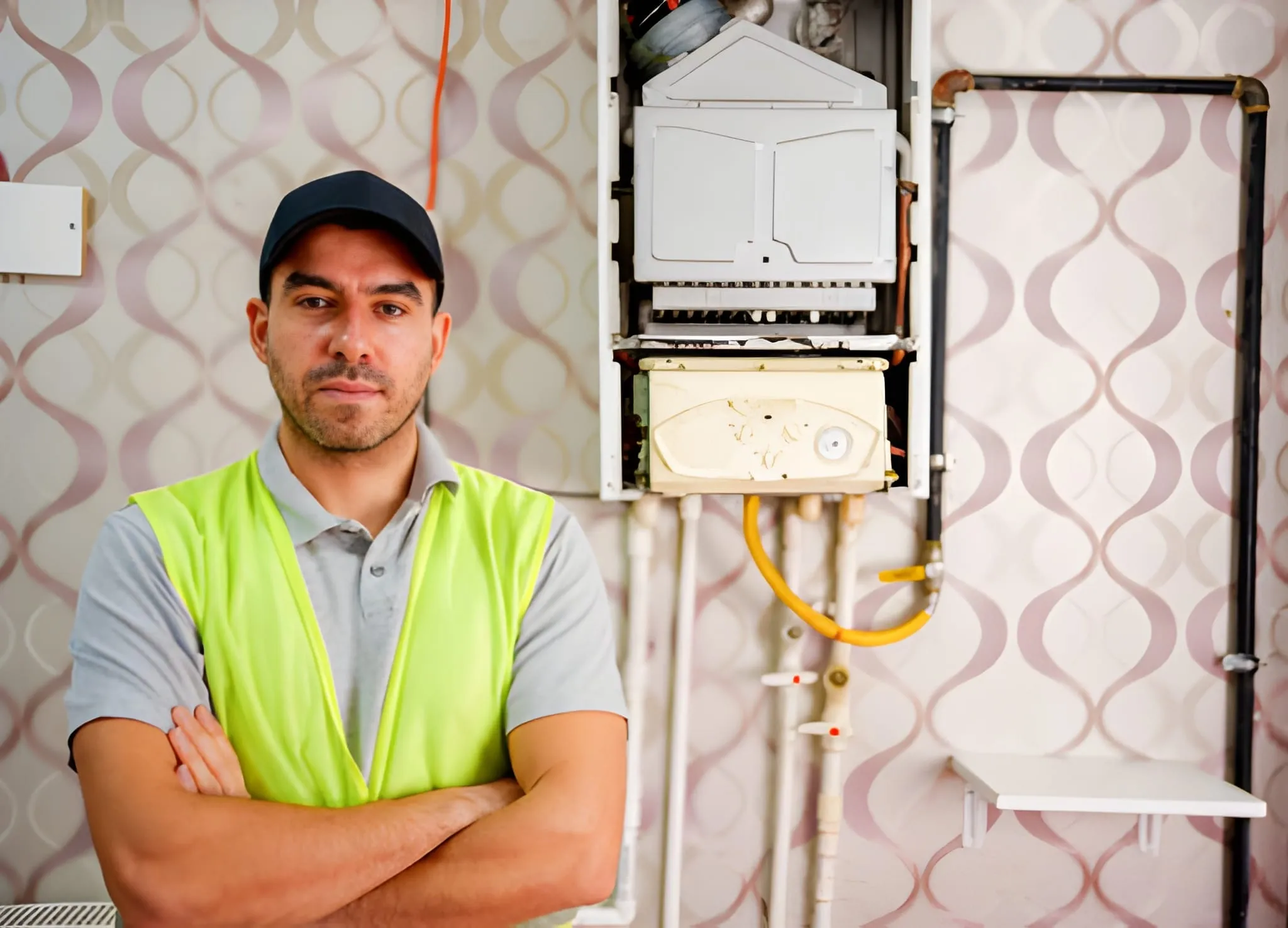
Furnace Maintenance in Severna Park, MD
Routine furnace maintenance is one of the simplest ways to keep your Severna Park home warm, efficient, and safe through cold months. Coastal humidity, salt air from the Chesapeake Bay, and wide temperature swings between day and night place extra stress on heating systems in this area. Regular tune-ups, filter care, and safety inspections reduce breakdown risk, improve efficiency, and help prevent dangerous carbon monoxide problems — all important for homes in Severna Park, MD.
What standard furnace maintenance includes
Maintenance programs are designed to catch small problems before they become emergencies. A comprehensive seasonal service typically includes:
- Seasonal tune-up and inspection of all major furnace components
- Filter replacement schedule and guidance for frequency based on filter type and household needs
- Cleaning of burners and heat exchanger surfaces to ensure complete combustion
- Coil and blower cleaning to maintain airflow and efficiency
- Inspection of the heat exchanger and safety controls for cracks, corrosion, or malfunctions
- Carbon monoxide and combustion efficiency checks to confirm safe operation
- Thermostat calibration and controls verification for accurate temperature control
- Venting and flue inspection to ensure proper exhaust and no blockages
- Lubrication of motors and moving parts where applicable
- Written service report with recommendations and maintenance record
Common furnace maintenance issues in Severna Park, MD
Local climate and home characteristics create patterns of wear you are likely to see:
- Dirty or clogged filters from high indoor dust levels and pollen, reducing airflow and causing short cycling
- Corrosion on metal components from coastal salt air exposure
- Moisture-related control or electrical issues during humid months
- Sooty burners or reduced combustion efficiency from deferred cleaning
- Cracked heat exchangers from thermal stress in older units, which poses a carbon monoxide risk
- Ignition or pilot failures, particularly in systems that see seasonal use
- Duct leaks and blocked vents that decrease warmth and increase energy consumption
The maintenance process — what the technician does and why it matters
A clear, step-by-step routine prevents surprises and clarifies what you’re paying for:
- Visual inspection and system history review to identify past issues and warranty constraints.
- Replace or clean the air filter and note recommended replacement interval based on your home's conditions.
- Clean burners, pilot assembly or ignition components, and accessible coil surfaces to restore proper combustion and heat transfer.
- Inspect the heat exchanger visually and with appropriate tests to detect cracks or signs of failure that could allow combustion gases into living spaces.
- Test safety controls, limit switches, and flame sensors to confirm the furnace shuts down safely on fault conditions.
- Perform combustion analysis and carbon monoxide testing to verify safe and efficient operation.
- Check blower motor, belts, and fan operation; clean the blower wheel and lubricate bearings if required.
- Inspect flue, venting, and air intake paths for blockages, corrosion, or improper seals.
- Calibrate thermostat and review control settings to match your comfort and efficiency goals.
- Provide a written report outlining system condition, any recommended repairs, and an efficiency assessment.
Each step is focused on safety and performance. Combustion and CO testing are critical in Severna Park homes because corrosion and age increase the chance of leaks that sensors must detect.
Repair and solution explanations in plain language
If maintenance uncovers problems, here is how common issues are typically addressed:
- Dirty burners and clogged burners: cleaned and reassembled to restore flame pattern and efficiency.
- Restricted airflow from dirty filters or ducts: replace filters, inspect and recommend duct cleaning or sealing if needed.
- Failing heat exchanger signs: small rust spots may be monitored but visible cracks generally require system replacement for safety.
- Malfunctioning ignition or flame sensors: cleaned or replaced to prevent nuisance shutdowns.
- Corroded venting or connectors: repaired or replaced to ensure safe exhaust of combustion gases.
- Electrical control problems: tightened connections and replaced failing relays or boards where necessary.
All repairs are chosen to restore safe operation and long term reliability rather than provide short-term fixes.
Benefits of preventative furnace maintenance
Investing in routine care delivers measurable value:
- Improved reliability so the furnace is less likely to fail on a cold Severna Park night
- Lower energy bills through better combustion and airflow efficiency
- Longer equipment life by reducing wear on motors, fans, and heat exchangers
- Enhanced safety through early detection of carbon monoxide risks and venting problems
- Documentation for warranty compliance and for future resale value
- Priority scheduling and lower repair costs when problems are caught early
Maintenance agreements and what they include
Maintenance agreements are structured to remove guesswork and ensure consistent care. Typical plan features for Severna Park homes include:
- Annual or biannual scheduled tune-ups timed before heating and cooling seasons
- Filter replacement included per the selected schedule
- Priority service and expedited scheduling during cold snaps
- Discounted repair labor and parts for covered systems
- Seasonal inspection checklist and digital or printed service records for warranty purposes
For coastal and humid environments, consider plans that include additional corrosion checks and more frequent inspections if the furnace is older.
Seasonal timing and local considerations
Plan your primary furnace tune-up for late summer or early fall before heavy use. This timing ensures any repairs are completed before the first sustained cold period. Homes near the Bay should watch for accelerated corrosion and address vent and outdoor intake conditions during spring inspections after winter storms.
Q: How often should I replace my furnace filter in Severna Park?
A: Replace disposable filters every 1 to 3 months depending on filter MERV rating, household pets, and indoor air quality. High efficiency or pleated filters may last longer, but check monthly.
Q: Will maintenance prevent carbon monoxide leaks?
A: Regular inspections and combustion testing significantly reduce the risk by catching cracked heat exchangers, improper venting, and incomplete combustion before they become dangerous.
Q: How long does a typical seasonal tune-up take?
A: Most tune-ups take 45 to 90 minutes depending on system accessibility and whether any repairs are needed.
Q: Are maintenance agreements worth it for older furnaces?
A: Yes. Older furnaces often need more frequent attention to maintain efficiency and safety. An agreement helps schedule checks and can lower repair costs.
Q: Can maintenance extend the life of my furnace?
A: Proper maintenance reduces wear and helps identify components before they cause broader system failure, which typically extends usable life by several years.
Q: Should I schedule maintenance if my furnace rarely runs?
A: Yes. Seasonal startups can reveal ignition issues and blocked vents. Even infrequently used systems benefit from annual checks to ensure safe operation.

Service areas