



Furnace Tune-Up in Perry Hall, MD
Keeping your furnace running reliably through Maryland winters starts with a professional furnace tune-up. In Perry Hall homes, where cold snaps, humidity, and seasonal pollen place extra strain on HVAC systems, a thorough tune-up by Tario HVAC reduces breakdown risk, preserves efficiency, and helps protect indoor air quality. We'll cover what a furnace tune-up includes, common local issues, the inspection and service process, recommended frequency, typical service duration, factors that influence cost, scheduling preparation for Perry Hall residents, and practical maintenance tips.
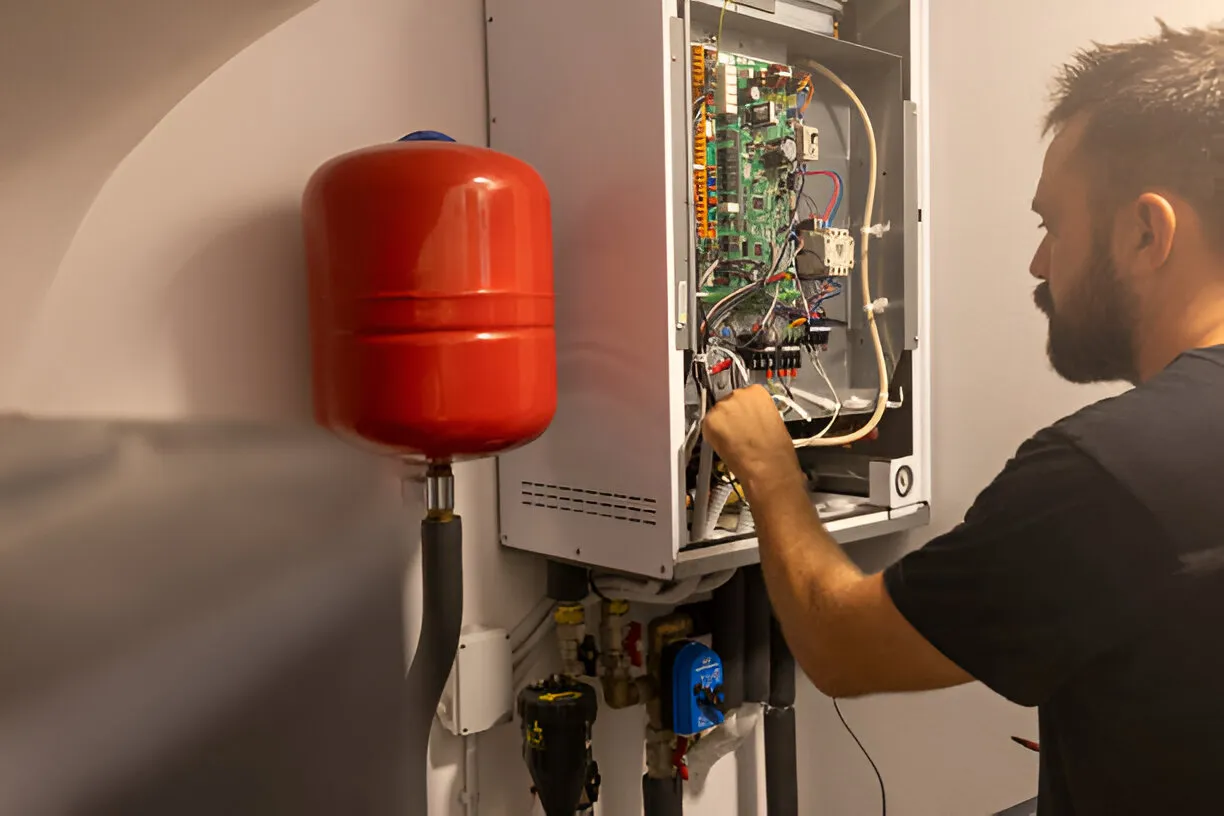
Furnace Tune-Up in Perry Hall, MD
Keeping your furnace running reliably through Maryland winters starts with a professional furnace tune-up. In Perry Hall homes, where cold snaps, humidity, and seasonal pollen place extra strain on HVAC systems, a thorough tune-up reduces breakdown risk, preserves efficiency, and helps protect indoor air quality. This page explains what a furnace tune-up includes, common local issues, the inspection and service process, recommended frequency, typical service duration, factors that influence cost, scheduling preparation for Perry Hall residents, and practical maintenance tips.
What a furnace tune-up includes
A professional furnace tune-up is a systematic inspection and performance optimization. Typical components of a comprehensive tune-up include:
- Visual and operational inspection: Check furnace cabinet, burners, heat exchanger for visible damage or corrosion, and verify safe startup/shutdown.
- Cleaning: Remove dust, debris, and soot from burners, flame sensor, combustion chamber, and blower assembly to restore proper airflow and combustion.
- Lubrication: Lubricate motors and moving parts where applicable to reduce friction and wear.
- Filter check and replacement guidance: Inspect air filters and recommend or install the correct type if needed to improve airflow and air quality.
- Thermostat calibration: Verify the thermostat reads and responds accurately so your system cycles correctly.
- Combustion and efficiency testing: Measure flue gases and combustion efficiency on gas furnaces to ensure safe, efficient operation.
- Safety checks: Test safety controls, limit switches, pilot or ignition systems, and perform a carbon monoxide check when appropriate.
- Duct and airflow assessment: Evaluate airflow through the supply and return, noting restrictions or leaks that affect performance.
- Performance report and recommendations: Provide a clear summary of findings, any repairs needed, and prioritization for next steps.
Common furnace problems in Perry Hall, MD
Homes in Perry Hall commonly face a mix of issues that a tune-up can identify or prevent:
- Clogged filters and reduced airflow from spring and fall pollen loads.
- Corrosion or soot build-up in older gas furnaces after humid summers and high pollen seasons.
- Short cycling caused by thermostat miscalibration or restricted airflow.
- Ignition or pilot failures after seasonal transition from summer to winter.
- Reduced efficiency from dirty burners, unlubricated motors, or leaking ductwork in older homes.
The tune-up process — what to expect
A professional technician follows a methodical sequence to restore safe, efficient operation:
- Pre-inspection: Review service history, homeowner concerns, and the furnace model/age.
- System startup and baseline readings: Observe startup behavior and record baseline temperatures, gas pressure or electrical parameters, and combustion readings if applicable.
- Cleaning and mechanical service: Clean burners, blower, and components; replace or advise on filters; lubricate motors.
- Safety and performance testing: Run safety interlocks, limit switches, and measure combustion products and CO levels as needed.
- Thermostat and airflow checks: Calibrate thermostat and verify adequate airflow at vents.
- Reporting and recommendations: Deliver findings and a prioritized plan for repairs, filter changes, or duct sealing if necessary.
Technicians will usually note anything that requires immediate attention versus items that can be scheduled later, helping you avoid unexpected winter failures.
Recommended frequency
- Annual tune-up: Industry best practice is at least once per year, ideally in the fall before sustained heating demand begins.
- Semi-annual or seasonal check: Homes with older furnaces, frequent cycling, or heavy pollen exposure may benefit from seasonal inspections (fall and spring).
- After prolonged downtime or repairs: Schedule a tune-up after major repairs, long periods of disuse, or if the system has been idle through the summer.
Typical service duration and cost factors
- Duration: Most full furnace tune-ups take about 60 to 90 minutes for a standard residential system. Systems with heavy buildup, difficult access, or additional components (like two-stage burners or advanced heat exchangers) can take longer.
- Cost factors: Actual cost varies depending on furnace type (gas, oil, electric), unit age and condition, accessibility, whether parts or filter replacements are needed, required safety testing, and local labor conditions. The scope of repairs discovered during the inspection will also influence final price.
Why timely tune-ups matter
- Improved efficiency: Clean, calibrated systems use less fuel or electricity, lowering energy usage.
- Fewer breakdowns: Identifying worn parts or unsafe conditions prevents mid-winter failures.
- Longer equipment life: Regular lubrication and cleaning reduce wear, extending service life.
- Safety: Combustion testing and CO checks protect your household from hidden hazards.
- Better comfort and air quality: Proper airflow and clean filters improve even heating and reduce dust and allergens.
Perry Hall-specific considerations
Perry Hall experiences cold winters and humid summers with pronounced pollen seasons. That combination contributes to filter clogging, humidity-related corrosion in older heat exchangers, and seasonal ignition problems. Homes with older ductwork or attic-mounted systems may also see more heat loss and dust buildup. Planning tune-ups before the first sustained cold snap is especially important in Perry Hall to ensure reliable heat on winter mornings.
How to prepare for a tune-up
- Ensure clear access to the furnace area by removing stored items from closets or basements.
- Note the furnace model, age, and any recent service records or unusual noises.
- List specific concerns: odd smells, noises, uneven heating, or frequent cycling.
- Be prepared to discuss filter size and replacement history.
- If you have a gas furnace, ensure a clear path for the technician to check external vents and flues.
Maintenance tips between tune-ups
- Replace or clean filters every 1 to 3 months during heavy use seasons.
- Keep area around the furnace clear and dry to prevent moisture damage.
- Seal and insulate accessible ductwork to maintain efficiency.
- Monitor for early warning signs: unusual odors, fluctuating bills, or inconsistent room temperatures.
FAQs
Q: How often should I get a furnace tune-up?
A: Annual tune-ups in the fall are recommended; homes with older equipment or heavy pollen exposure may benefit from seasonal checks.
Q: How long does a furnace tune-up take?
A: Expect about 60 to 90 minutes for a standard residential furnace; more complex or dirty systems can take longer.
Q: Will a tune-up fix a furnace that is already failing?
A: A tune-up identifies issues and can correct many performance problems, but failing components may require separate repairs or replacement depending on severity.
Q: Do I need to change my filter before the technician arrives?
A: Not necessary, but providing a recently changed filter helps the technician assess other airflow or contamination issues. Technicians will inspect and advise on filter replacement.
Q: Does having a tune-up affect my furnace warranty?
A: Many manufacturers require regular maintenance to keep warranties valid. Keep service records and receipts as proof of maintenance.
Q: How does Perry Hall weather affect my furnace?
A: Cold winters increase runtime and wear; humid summers and pollen can lead to corrosion and clogged filters, making pre-winter tune-ups especially important in Perry Hall homes.

Service areas
