

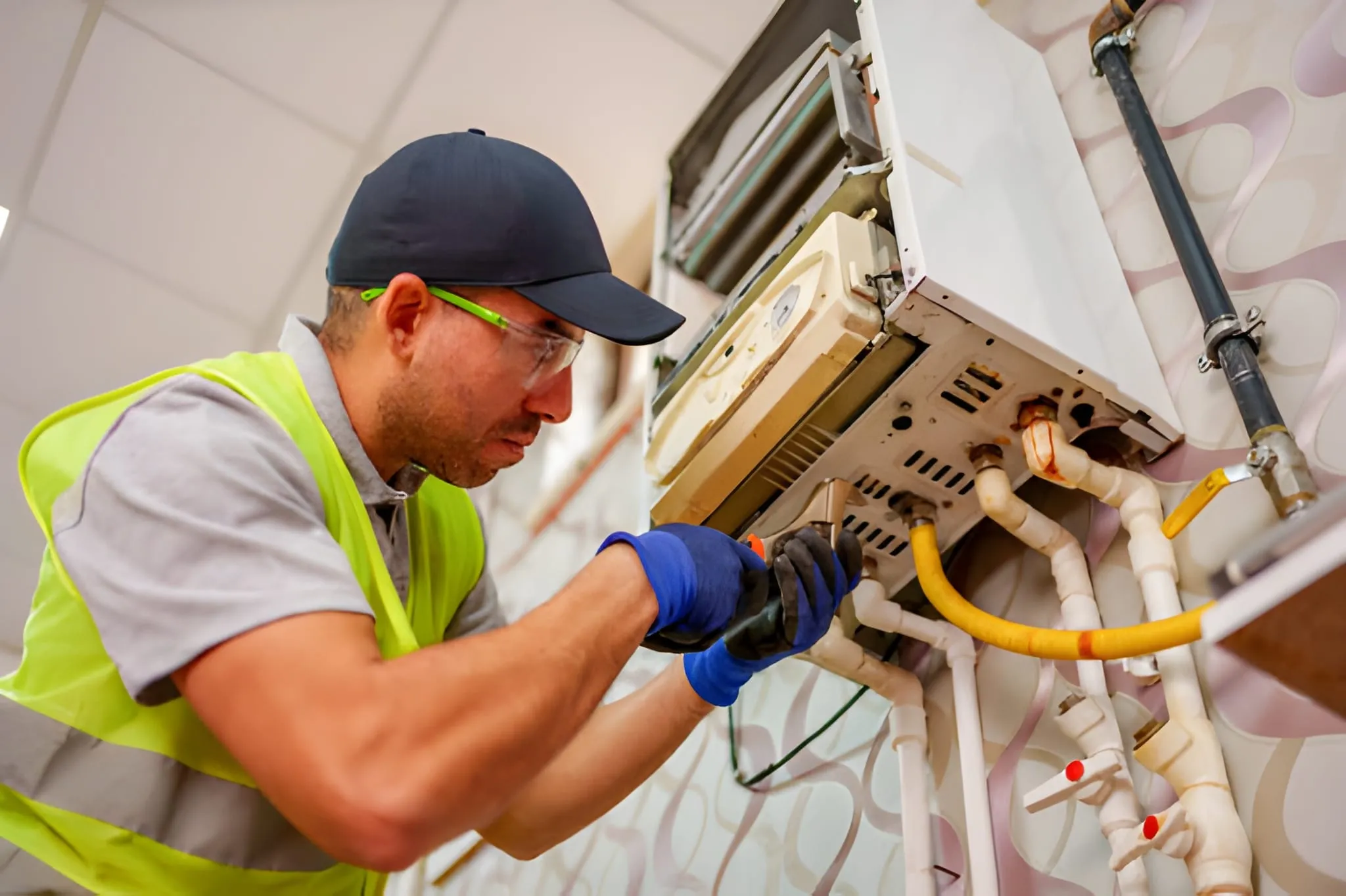
Furnace Maintenance in Perry Hall, MD
Keeping your furnace well maintained is one of the best ways to ensure reliable heat, lower energy bills, and safer operation in Perry Hall homes. Tario HVAC's routine furnace maintenance prevents midwinter breakdowns, preserves efficiency as outdoor temperatures drop, and identifies safety risks like carbon monoxide leaks before they become emergencies. For homeowners in Perry Hall, MD, where cold winters increase heating demand and seasonal pollen and dust affect air flow, a focused maintenance program is essential to both comfort and equipment life.
Furnace Maintenance in Perry Hall, MD
Keeping your furnace well maintained is one of the best ways to ensure reliable heat, lower energy bills, and safer operation in Perry Hall homes. Routine furnace maintenance prevents midwinter breakdowns, preserves efficiency as outdoor temperatures drop, and identifies safety risks like carbon monoxide leaks before they become emergencies. For homeowners in Perry Hall, MD, where cold winters increase heating demand and seasonal pollen and dust affect air flow, a focused maintenance program is essential to both comfort and equipment life.
Common furnace problems in Perry Hall, MD
- Short cycling or frequent on and off cycles
Often caused by clogged filters, improper airflow, or thermostat issues. Short cycling increases wear and energy use. - Poor heat delivery or uneven rooms
Can result from restricted ductwork, failing blower motors, or incorrect temperature rise across the heat exchanger. - Sputtering pilot or ignition failures
Ignition components and burners accumulate soot and debris, leading to unreliable starts—especially in older systems. - High energy bills in winter
Loss of efficiency from dirty burners, fouled heat exchangers, or failing controls increases fuel consumption during Maryland’s cold months. - Strange odors or soot
May indicate incomplete combustion, sooty burners, or a cracked heat exchanger—issues that need inspection for safety. - Carbon monoxide or venting concerns
Blocked flues, drafts, or degraded venting systems can cause dangerous combustion products to enter living spaces.
What a seasonal furnace tune-up includes
A proper furnace maintenance visit covers cleaning, inspection, adjustment, and testing. Typical items included in a seasonal tune-up are:
- Filter check and replacement of disposable or permanent filters to restore proper airflow
- Cleaning burners and combustion chamber to remove soot and deposits for stable combustion
- Heat exchanger inspection for cracks, corrosion, and integrity
- Blower assembly cleaning and lubrication to ensure efficient air movement
- Thermostat calibration and control checks to verify accurate temperature control
- Safety control and limit switch testing to confirm automatic shutdowns operate correctly
- Inspection of gas connections and combustion venting for leaks, corrosion, or blockages
- Flame sensor and ignition system cleaning for reliable starting
- Electrical connection tightening and component testing to prevent failures
- Basic indoor air quality checks including duct register inspection for visible blockages
Diagnostic and performance checks performed
Technical diagnostics quantify furnace health and efficiency so you know whether the system is running as expected:
- Temperature rise measurement across the heat exchanger to confirm proper heat transfer
- Airflow verification to identify duct or filter restrictions that reduce output
- Combustion efficiency testing (where applicable) to measure fuel burn quality and emissions
- Carbon monoxide level measurement near the unit and in living spaces to validate safety
- Operational cycle evaluation to observe start-up, run, and shut-down behavior under normal load
These checks reveal issues that cleaning alone will not fix and provide baseline data for tracking future performance.
Maintenance plans and what they include
Maintenance programs are usually offered as tiered plans to match homeowner needs. Typical plan structures include:
- Single seasonal tune-up for one-time cleaning and inspection during fall or spring
- Annual membership with scheduled fall and/or spring tune-ups, prioritized service scheduling, and reminders
- Comprehensive plans that add benefits like discounted repair parts, extended service windows, and expanded safety inspections
Plan features commonly covered:
- Priority appointment scheduling during peak heating season
- Two annual inspections (fall pre-season and optional spring follow-up)
- Filter change service or reminders based on filter type
- Detailed maintenance checklist and performance report after each visit
Enrollment and scheduling are handled through standard service channels and include an initial plan selection, an intake inspection, and a recurring maintenance schedule that matches the furnace model and household needs. Membership and plan administration typically include documented service records to support warranty requirements and to track maintenance history.
Benefits of regular furnace maintenance
- Improved reliability and fewer emergency repairs during the coldest months in Perry Hall
- Lower energy costs through restored efficiency; routine maintenance often reduces fuel use compared with neglected equipment
- Longer equipment life by reducing mechanical stress and premature component failure
- Better indoor air quality when filters and blowers are kept clean, important in areas with seasonal pollen and dust
- Enhanced safety from early detection of gas leaks, cracked heat exchangers, and venting problems
Perry Hall seasonal considerations
Perry Hall experiences cold winters with significant heating demand from December through February. Freeze-thaw cycles and winter humidity variations make a thorough fall tune-up important to prevent heat exchanger stress and to ensure venting is clear of debris. Spring and early summer maintenance can address pollen and dust accumulation that builds up in the off-season, improving airflow before the next heating cycle.
Simple between-visit maintenance tips
- Replace or clean filters every 1 to 3 months depending on filter type and household conditions
- Keep return vents and air registers clear of furniture and obstructions
- Maintain a consistent thermostat schedule to avoid unnecessary short cycling
- Ensure carbon monoxide detectors are installed on each level and tested regularly
- Keep the furnace area free of stored items, flammable materials, and clutter
Q: How often should a furnace be serviced?
A: Most experts recommend an annual professional tune-up before the heating season, with more frequent filter changes every 1 to 3 months based on usage and filter type.
Q: Will maintenance reduce my heating bills?
A: Yes, regular cleaning and adjustments restore efficiency and can reduce fuel use compared with neglected systems.
Q: What if the technician finds a cracked heat exchanger?
A: A cracked heat exchanger is a serious safety concern that generally requires replacement of the heat exchanger or the furnace, depending on severity and model age.
Q: Do high-efficiency furnaces need different maintenance?
A: High-efficiency condensing furnaces have additional components like condensate traps and secondary heat exchangers that require inspection and cleaning as part of routine service.
Q: Can I change the filter myself between services?
A: Yes. Replacing a disposable filter or cleaning a reusable filter between tune-ups helps maintain airflow and system efficiency.
Q: When is the best time to schedule maintenance in Perry Hall?
A: Late summer to early fall is ideal to prepare the system before heating demand increases, with a spring follow-up recommended if pollen and dust are a concern.
Regular furnace maintenance in Perry Hall, MD keeps systems running safely and efficiently through seasonal extremes, protects home comfort, and extends the life of valuable heating equipment.

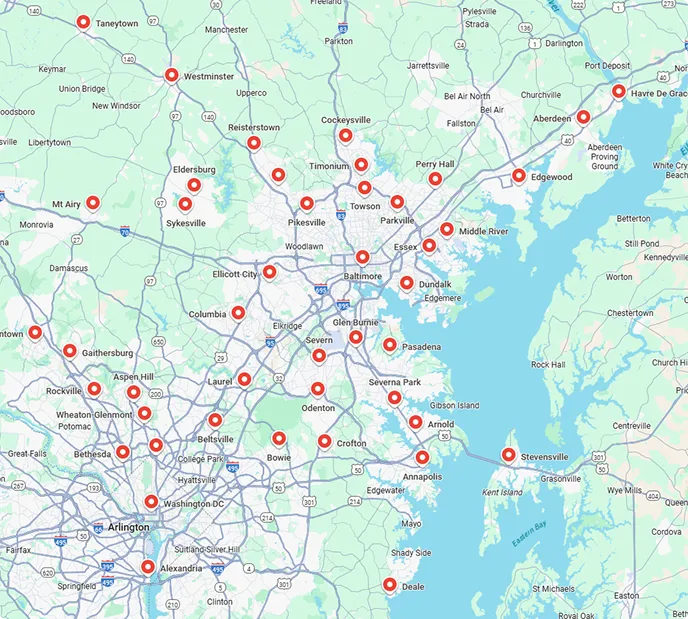
Service areas