



Furnace Repair in Perry Hall, MD
A malfunctioning furnace can really throw off your home's comfort and safety, especially with those sustained cold snaps we get in Perry Hall during winter. When you need professional furnace repair in Perry Hall, MD, Tario HVAC is here to help. We diagnose and fix common heating problems, and we want you to know what to expect from our on-site inspections, typical repair procedures, parts and labor considerations, emergency response, warranties, and practical maintenance advice to keep your system running reliably.
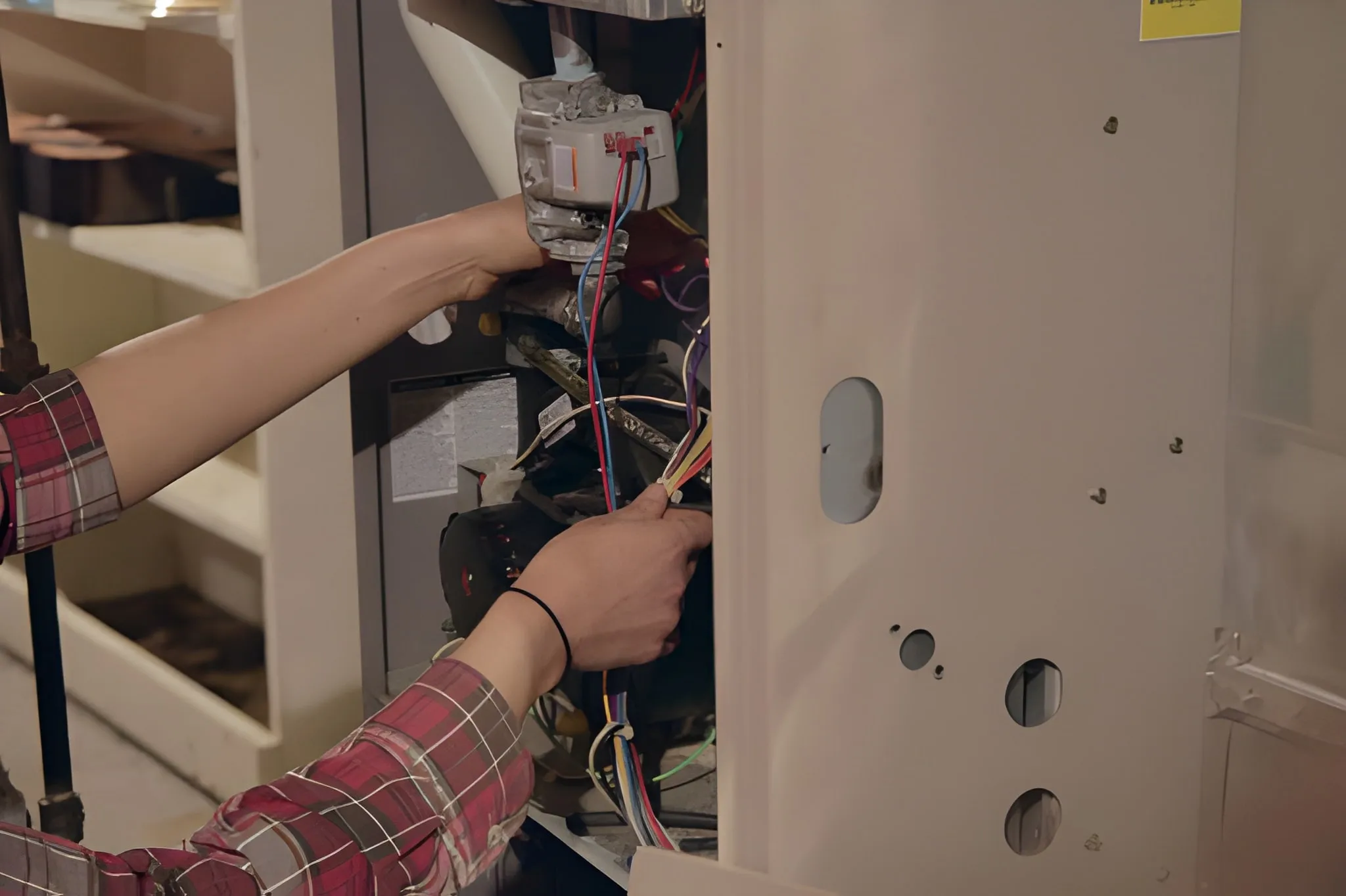
Furnace Repair in Perry Hall, MD
A malfunctioning furnace disrupts comfort and safety in your home, especially during Perry Hall winters when sustained cold snaps are common.
Why prompt furnace repair matters in Perry Hall homes
Perry Hall experiences cold winters and variable humidity that place extra stress on heating systems. Older homes in the area often have aging furnace components or legacy ductwork that can accelerate wear. Timely repair:
- Restores safe, consistent heat
- Prevents secondary damage to other HVAC components
- Improves energy efficiency and reduces heating bills
- Minimizes risk of more expensive future failures
Common furnace symptoms homeowners in Perry Hall report
Recognizing symptoms early helps prioritize repairs. Typical issues include:
- No heat: Furnace runs but produces no warm air, or furnace fails to start at all
- Uneven heating: Some rooms stay cold while others heat normally
- Short cycling: Furnace turns on and off frequently, reducing lifespan
- Strange noises: Rattling, squealing, banging, or whistling coming from the unit
- High energy bills: Gradual or sudden increases in heating costs
- Pilot or ignition failure: Older pilot lights or modern ignition systems that fail to light
- Frequent thermostat issues: Inaccurate temperature readings or communication problems
On-site inspection and diagnostic process
A thorough diagnostic is the foundation of reliable furnace repair. Typical steps performed during an inspection:
- Visual and safety check: Inspect flue, gas lines, vents, filters, and visible components for safety hazards and obvious defects.
- System start-up and observation: Run the system through a complete cycle to observe behavior, noise, and performance.
- Component tests: Use meters and diagnostic tools to test ignition systems, blower motors, limit switches, capacitors, relays, and control board signals.
- Airflow and duct assessment: Measure airflow and check return vents and ductwork for blockages or leaks that cause uneven heating.
- System history and settings review: Verify thermostat settings and any recent changes that could affect operation.
- Diagnostic summary and recommended repairs: Provide a clear list of failing components, repair options, and expected outcomes.
Inspections typically take 30 to 60 minutes depending on system complexity and accessibility.
Typical furnace repair procedures explained
Repairs are focused on restoring safe, efficient operation. Common procedures include:
- Ignition system repair or replacement
- Symptoms: Furnace won’t light, repeated ignition attempts, or intermittent operation.
- What’s done: Clean or replace pilot assemblies on older units; inspect and replace hot surface igniters or intermittent pilot modules on modern furnaces. Verify flame sensors and ignition control circuits.
- Blower motor and fan repair
- Symptoms: Weak airflow, strange noises, or blower not running.
- What’s done: Lubricate bearings where applicable, replace worn motors or capacitors, balance or replace blower wheels, and test motor controls.
- Control board and relay repairs
- Symptoms: Erratic operation, failed cycles, or no response from the furnace.
- What’s done: Inspect control board for burned components, test relays and plug-in modules, and replace failing boards or connectors with compatible controls.
- Thermostat diagnosis and repair
- Symptoms: Incorrect temperature, furnace not responding to setpoints.
- What’s done: Confirm wiring and calibration, test thermostat communications, replace batteries or upgrade to a compatible thermostat if needed.
- Gas valve and fuel system repairs
- Symptoms: Furnace won’t ignite, intermittent flame loss, or safety lockouts.
- What’s done: Test gas pressure and valves, replace faulty gas valves, and confirm safe operation according to code. Only certified technicians perform gas work and follow local regulations.
- Filter, vent, and duct repairs
- Symptoms: Poor airflow, dust, or odors.
- What’s done: Replace filters, clear blockages, seal or insulate ducts, and recommend improvements to airflow balancing.
Parts and labor information
Repair recommendations prioritize safety and long-term value. Key points:
- Parts options: Technicians may use OEM parts for direct replacements or equivalent aftermarket components when appropriate. Compatibility and warranty coverage are considered when selecting parts.
- Labor expectations: Minor repairs such as filter replacement or sensor cleaning may take under an hour. Component replacements like blower motors or control boards commonly require 1 to 3 hours depending on access and complexity.
- Estimate transparency: A diagnostic provides a clear scope of work and an itemized list of parts and labor so you understand what is included.
Emergency and after-hours response
Heating failures during overnight cold snaps require urgent attention. Emergency repair services in Perry Hall typically include:
- After-hours diagnostic visits for unsafe conditions such as loss of heat in freezing temperatures or suspected gas leaks
- Temporary measures to restore heat while scheduling permanent repairs
- Prioritization for homes with vulnerable occupants
Response times depend on technician availability and weather conditions. Safety protocols are followed for gas and carbon monoxide risks.
Warranty on repairs
Reputable repairs include warranty coverage that may combine:
- Manufacturer part warranty: Many replacement parts carry manufacturer warranties that vary by part type.
- Labor warranty: Labor warranties commonly range from 30 to 180 days, covering workmanship on the completed repair.Be sure to confirm warranty terms, what is covered, and any maintenance requirements that preserve the warranty.
Maintenance and prevention tips for Perry Hall residents
Regular maintenance reduces the likelihood of emergency repairs and improves efficiency:
- Replace or clean filters every 1 to 3 months during heavy use
- Schedule annual professional tune-ups before the heating season
- Keep vents unobstructed and ensure proper return airflow
- Seal and insulate ducts in unconditioned spaces to reduce heat loss
- Install a carbon monoxide detector near sleeping areas and check battery backups
Scheduling and booking expectations
Scheduling typically offers options for same-day or next-day appointments for diagnostic visits, with emergency slots reserved for urgent safety issues. Technicians often provide an initial time window and then a more precise arrival estimate when en route. Expect a written diagnostic summary after the inspection with recommended repairs and timelines.
Local considerations for Perry Hall, MD
- Cold winter temps and occasional prolonged cold spells increase demand for reliable heating
- Older homes may have legacy furnaces or retrofitted duct systems that require tailored repair approaches
- Natural gas is common, but some properties may use oil or electric furnaces; repairs are specific to fuel type and local codes
Q: How long does a typical furnace diagnosis take?
A: Most on-site diagnostics take 30 to 60 minutes, but more complex systems or airflow problems can require additional time.
Q: Will repairs require a permit in Perry Hall?
A: Some gas line alterations or major equipment replacements may require permits; technicians follow local code and can advise on permit needs.
Q: Are emergency repairs more expensive?
A: Emergency or after-hours visits may have different scheduling and availability; the diagnostic process and repair scope determine final costs rather than urgency alone.
Q: How can I tell if the thermostat or furnace is at fault?
A: A diagnostic checks thermostat wiring, battery, and calibration first, then evaluates furnace response. Many issues are simple thermostat fixes, but symptoms guide the scope of testing.

Service areas
