

Furnace Tune-Up in Owings Mills, MD
A professional furnace tune-up from Tario HVAC in Owings Mills, MD keeps your heating system safe, efficient, and reliable through Baltimore County winters. Because homes in Owings Mills experience cold, wet winters and frequent seasonal temperature swings, furnaces run hard for long stretches. A detailed tune-up identifies worn components, corrects combustion problems, and restores performance so your home stays comfortable while reducing the risk of mid-season breakdowns and elevated carbon monoxide levels.
Furnace Tune-Up in Owings Mills, MD
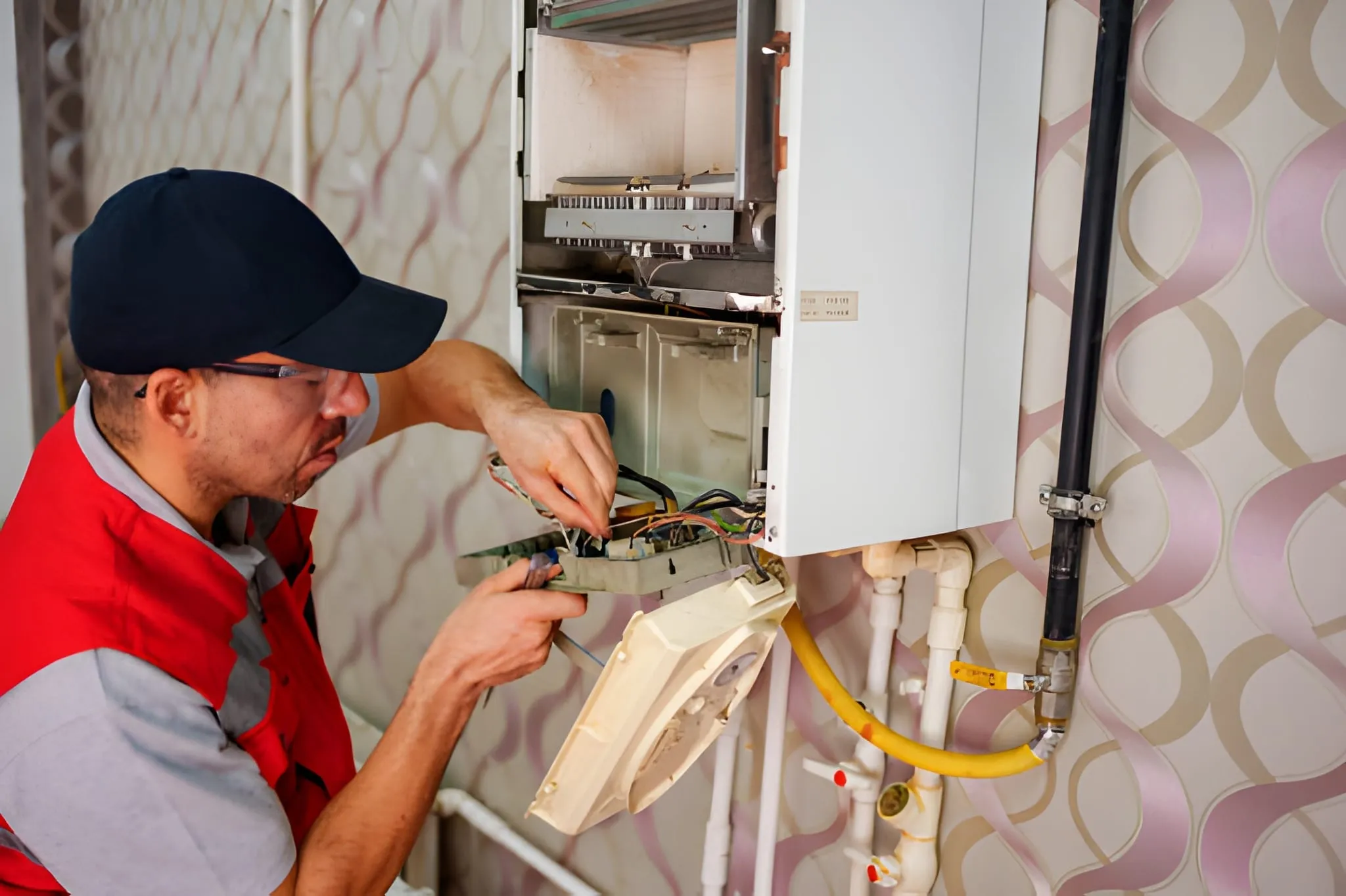
A professional furnace tune-up in Owings Mills, MD keeps your heating system safe, efficient, and reliable through Baltimore County winters. Because homes in Owings Mills experience cold, wet winters and frequent seasonal temperature swings, furnaces run hard for long stretches. A detailed tune-up identifies worn components, corrects combustion problems, and restores performance so your home stays comfortable while reducing the risk of mid-season breakdowns and elevated carbon monoxide levels.
Why a tune-up matters for Owings Mills homes
Owings Mills homes often rely on their furnace as the primary heat source from late fall through early spring. High seasonal runtime accelerates wear on burners, motors, and ignition components. In addition, humid summers and cooler temperatures can contribute to corrosion on heat exchangers and venting. A tune-up addresses these local stresses by restoring efficient operation, preventing safety hazards, and helping your system handle prolonged cold snaps with fewer surprises.
Common furnace problems in Owings Mills, MD
- Dirty burners and clogged jets that cause uneven or weak flames
- Cracked or corroded heat exchangers that can lead to dangerous exhaust leaks
- Faulty thermostats or poor calibration causing temperature swings and short-cycling
- Sticking blower motors or worn bearings creating noise and reduced airflow
- Ignition failures or intermittent igniter problems that prevent reliable startup
- Blocked or partially restricted venting and flue pathways affecting combustion and draft
- Elevated carbon monoxide (CO) readings from incomplete combustion or poor venting
What a full furnace tune-up includes
A comprehensive tune-up covers inspection, cleaning, calibration, and testing. Typical tasks performed during a professional tune-up include:
- Cleaning burners and combustion chamber to remove soot, dust, and deposits that reduce combustion efficiency
- Inspecting and cleaning the heat exchanger visually and with tools to detect cracks, corrosion, or gaps that risk exhaust leakage
- Checking and calibrating the thermostat for accurate temperature sensing and proper cycling behavior
- Inspecting, testing, and lubricating moving parts such as blower motor bearings, fan blades, and belts to reduce friction and noise
- Testing safety controls and limit switches to ensure the system shuts down under unsafe conditions
- Testing ignition systems (hot surface igniters or pilot assemblies) for reliable startup and consistent operation
- Measuring combustion efficiency and CO levels using combustion analyzers to confirm proper air-fuel mix and safe exhaust composition
- Inspecting flue, venting, and draft to make sure exhaust gases are routed safely away from the home
- Filter inspection and replacement guidance to maintain airflow and indoor air quality
- Tightening electrical connections and checking capacitors to prevent future electrical failures
Diagnostic process: how technicians evaluate your furnace
A methodical evaluation ensures tune-up work targets the real causes of poor performance:
- Start with a visual inspection of the furnace cabinet, venting, gas line, and access panels.
- Verify thermostat settings and test system response through multiple heat cycles.
- Run combustion tests while measuring flue gas composition, stack temperature, and draft to assess combustion efficiency.
- Check ignition sequence and observe burner flames for color, stability, and pattern.
- Inspect and test all safety devices, including limit controls, flame sensors, and pressure switches.
- Evaluate airflow by inspecting ducts, filters, and the blower assembly; measure static pressure if necessary.
- Report findings and recommend immediate repairs, safety concerns, or efficiency improvements.
Measuring combustion efficiency and CO levels
Accurate measurement is central to a trustworthy tune-up. Technicians use handheld combustion analyzers to:
- Measure oxygen and carbon dioxide levels to determine combustion efficiency
- Read carbon monoxide (CO) in the flue and indoor ambient air to identify incomplete combustion or venting issues
- Calculate stack temperature and draft to confirm proper exhaust flow
These readings tell whether the burners are properly adjusted and whether the heat exchanger and venting are safely moving combustion products away from living spaces.
Expected performance improvements after a tune-up
After a professional tune-up you can expect:
- Improved heating efficiency and more even temperatures throughout the home
- Reduced cycling and fewer short-run cycles that raise energy use and wear
- Quieter operation from lubricated motors and balanced fans
- Lower risk of emergency breakdowns during cold snaps
- Clearer indication of any safety issues like heat exchanger leaks or venting problems
- Better indoor air quality through restored airflow and filter guidance
Tune-up frequency and maintenance tips
- For most furnaces in Owings Mills, MD perform a professional tune-up once per year, ideally before the heating season begins. Homes with heavy seasonal use, older equipment, or past reliability problems may benefit from twice-yearly checks.
- Replace or check filters every 1 to 3 months depending on filter type, household occupants, and pet levels to maintain airflow and combustion performance.
- Keep the furnace area clear of storage and debris, and ensure vents and returns are unobstructed to promote proper airflow.
- Note any odd noises, odors, yellow or irregular burner flames, or unexplained spikes in gas usage and schedule an inspection promptly to avoid escalation.
Long-term benefits of regular tune-ups
Regular tune-ups extend equipment life by reducing mechanical stress, maintaining combustion efficiency, and catching developing issues early. For homeowners in Owings Mills, consistent maintenance helps systems cope with winter load, reduces emergency service calls, and supports safer indoor environments by minimizing carbon monoxide risk.
FAQs
Q: How long does a typical furnace tune-up take?
A: Most comprehensive tune-ups take between 45 minutes and 90 minutes depending on system condition, age, and whether additional repairs or parts replacement are required.
Q: Will a tune-up fix a furnace that is not heating at all?
A: A tune-up identifies the cause of no heating and can resolve many common issues such as ignition failures or control resets, but complete repairs or replacement of failed components may be necessary.
Q: How will I know if my heat exchanger is cracked or leaking?
A: Technicians look for visible signs of damage and use combustion and CO testing to detect leakage. Any indication of exhaust gases in the home is treated as a serious safety concern.
Q: Is combustion efficiency testing necessary every time?
A: Yes. Combustion testing is an essential safety and efficiency check that confirms proper burner adjustment and safe exhaust conditions, so it should be performed during every professional tune-up.
Q: Can a tune-up lower my energy bills?
A: A properly performed tune-up restores combustion efficiency and airflow, which often reduces fuel consumption and improves comfort, resulting in lower operational costs over time.

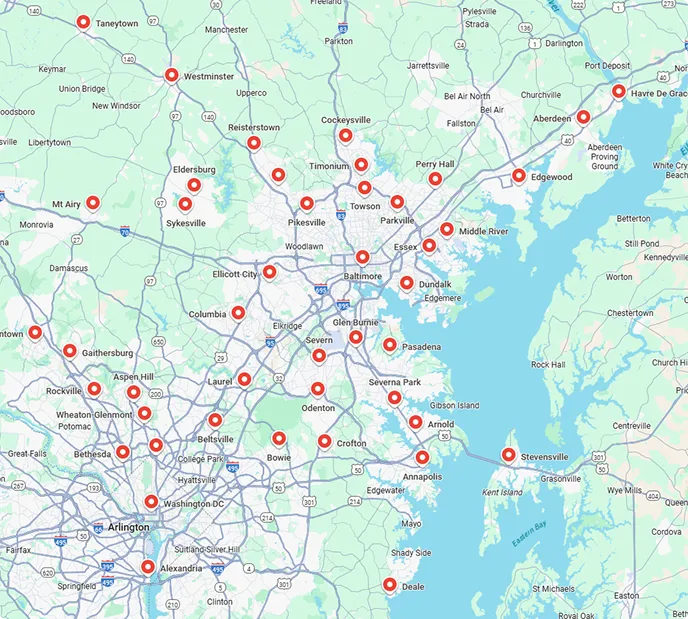
Service areas