

Furnace Maintenance in Owings Mills, MD
Keeping your home warm, safe, and efficient throughout Maryland winters really depends on regular furnace maintenance. Here in Owings Mills, those seasonal temperature swings, freezing nights, and humid summers truly put heating systems to the test. That's why Tario HVAC offers professional furnace maintenance, designed to prevent mid-winter breakdowns, boost your energy efficiency, extend your equipment's life, and keep your family safe by checking for combustion and carbon monoxide risks.

Furnace Maintenance in Owings Mills, MD
Regular furnace maintenance is essential for keeping your home warm, safe, and efficient through Maryland winters. In Owings Mills, seasonal temperature swings, occasional freezing nights, and humid summers put extra strain on heating systems. Professional furnace maintenance helps prevent mid-winter breakdowns, improves energy efficiency, extends equipment life, and ensures family safety by checking combustion and carbon monoxide risks.
Why furnace maintenance matters in Owings Mills, MD
- Winters in Owings Mills can dip below freezing, which increases runtime and wear on furnaces.
- Local humidity and seasonal storms can accelerate corrosion in vents and outdoor components on high-efficiency systems.
- Older homes common in the area may have older ductwork, tighter insulation differences, or outdated controls that need regular attention.
Routine maintenance reduces the likelihood of emergency repairs during peak cold snaps and helps systems meet manufacturer warranty requirements.
Common furnace problems seen in Owings Mills homes
- Clogged or dirty filters restricting airflow and lowering efficiency.
- Sooted burners and dirty heat exchangers that reduce heat transfer and can create safety concerns.
- Weak or failing blower motors that produce poor airflow and uneven heating.
- Ignition or control failures leading to intermittent operation or no heat conditions.
- Cracked or corroded heat exchangers, increasing the risk of combustion gas leaks.
- Improper venting or flue blockages from pests, debris, or ice formation on outdoor terminations.
What a seasonal furnace tune-up includes
A full seasonal tune-up is a multi-point inspection and service designed to find small issues before they become costly. Typical tasks performed:
- Visual inspection of burners, heat exchanger, and combustion chamber
- Combustion analysis to check fuel-to-air ratio and combustion efficiency
- Carbon monoxide check at system and living-space levels
- Filter inspection and replacement or recommendation for upgraded filters
- Blower assembly cleaning, motor lubrication, and belt inspection or replacement
- Inspection and cleaning of ignition system, pilot assembly, or electronic igniter
- Thermostat calibration and system control testing
- Venting and flue inspection for blockages, corrosion, and proper draft
- Electrical connections check, tightening, and control diagnostics
- Airflow measurement and duct quick check for obvious leaks or restrictions
- Condensate drain cleaning for high-efficiency furnaces and checks for proper drainage
- Safety control tests: limit switches, rollout switches, and pressure switches
- Final performance test: measured run cycle, temp rise verification, and system behavior documentation
How diagnostics are performed (plain language)
Technicians follow a step-by-step process that focuses on safety and measurable performance. First they shut down the system safely and visually inspect key components. Combustion and CO tests use handheld meters to measure how completely the fuel burns and whether exhaust gases are venting properly. Airflow and temperature rise checks show whether the furnace moves enough heated air through the house. Electrical and control tests verify that the system starts and stops reliably. Each measurement helps identify whether a simple cleaning or replacement is needed, or if a larger repair or part replacement is the prudent choice.
Common repairs and solutions explained
- Dirty filters and restricted airflow: Replace with the correct MERV-rated filter and advise on replacement frequency based on household needs.
- Burner or blower cleaning: Removing soot and debris restores efficient operation and improves airflow.
- Ignition/electronic control failures: Cleaning, adjustment, or replacement of igniters and control modules solves intermittent start issues.
- Blower motor wear: Motors showing bearing failure or reduced performance may be lubricated or replaced to restore airflow.
- Heat exchanger issues: Small cracks or severe corrosion require careful evaluation; significant damage usually means replacement for safety reasons.
- Venting and flue problems: Clearing blockages, repairing chimneys or vents, and ensuring proper termination prevents dangerous flue gas buildup.
Each solution includes a clear explanation of the cause, the recommended fix, and how the repair improves safety, efficiency, or reliability.
Maintenance plans and agreements for Owings Mills homeowners
Maintenance plans provide scheduled seasonal tune-ups and documented service history that supports equipment longevity. Typical plan features include:
- Annual or biannual tune-ups scheduled before winter and after heating season
- Priority scheduling for service visits during peak cold periods
- Discounts on parts and labor for covered repairs
- Detailed service reports that help track performance and warranty compliance
- Reminder notices for filter changes and recommended service intervals
- Optional add-ons: indoor air quality filter upgrades, thermostat upgrades, and ductwork inspections
Plans reduce emergency repair frequency, keep heating costs more predictable, and create an ongoing record of professional care that can increase resale confidence.
Preventive tips for Owings Mills homes
- Replace disposable filters every 1 to 3 months depending on household conditions and filter type.
- Schedule a professional tune-up before the heating season starts to avoid cold-weather emergencies.
- Keep vents and returns unblocked by furniture or rugs to maintain airflow.
- Clear outdoor vent terminations of debris, snow, and leaves during winter.
- Consider a programmable or smart thermostat to reduce runtime and even out temperature cycles.
- Watch for early warning signs like unusual odors, increased cycling, poor airflow, or higher energy bills.
Benefits of regular furnace maintenance
- Improved fuel efficiency and lower seasonal heating costs.
- Fewer unexpected breakdowns during cold weather.
- Longer equipment life and better return on the initial investment.
- Enhanced indoor air quality and more consistent home comfort.
- Reduced safety risks through combustion testing and carbon monoxide checks.
- Clear documentation that supports warranty requirements and resale value.
FAQQ: How often should I schedule furnace maintenance in Owings Mills, MD?
A: Annual professional tune-ups before the heating season are recommended; homes with heavy use, pets, or allergies may benefit from biannual service and more frequent filter changes.
Q: Will a tune-up lower my heating bills?
A: Yes. A properly tuned furnace runs more efficiently, which typically reduces fuel consumption and lowers monthly heating costs.
Q: What filter rating should I use?
A: Use the filter rating recommended by your furnace manufacturer. Higher MERV ratings improve filtration but can restrict airflow if the system is not designed for them. Consult the system manual or a professional for guidance.
Q: Can maintenance detect carbon monoxide risks?
A: Yes. Proper service includes combustion and CO testing, venting checks, and inspection of heat exchanger integrity to identify potential CO risks.
Q: What if my heat exchanger is cracked?
A: A cracked heat exchanger is a serious safety concern. Repairs vary by severity, but major damage usually requires furnace replacement for safety reasons.
Q: Do maintenance plans include parts and emergency service?
A: Plan coverage varies. Typical agreements include tune-ups, priority scheduling, and discounts on parts and labor. Review plan terms to understand which repairs are covered.

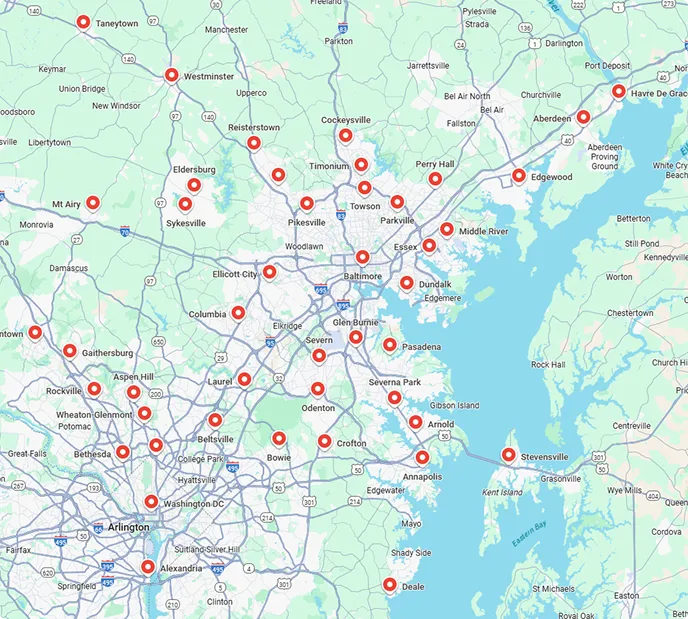
Service areas