

Furnace Tune-Up in Eldersburg, MD
A professional furnace tune-up from Tario HVAC keeps your heating system running safely, efficiently, and reliably throughout the cold Maryland months. In Eldersburg, MD, where winters can be chilly and unpredictable, a well-maintained furnace reduces breakdown risk, lowers energy waste, and helps protect your home from safety hazards like carbon monoxide. We'll explain exactly what a certified tune-up includes, common furnace issues in the area, a typical service checklist, expected duration, and the difference between one-time service and ongoing maintenance plans.
.jpeg)
Furnace Tune-Up in Eldersburg, MD
A professional furnace tune-up keeps your heating system running safely, efficiently, and reliably throughout the cold Maryland months. In Eldersburg, MD, where winters can be chilly and unpredictable, a well-maintained furnace reduces breakdown risk, lowers energy waste, and helps protect your home from safety hazards like carbon monoxide. This page explains exactly what a certified tune-up includes, common furnace issues in the area, a typical service checklist, expected duration, and the difference between one-time service and ongoing maintenance plans.
Why a furnace tune-up matters in Eldersburg, MD
- Eldersburg experiences cold spells and extended heating needs; furnaces stressed by frequent cycles are more likely to fail during peak demand.
- Older homes common in Carroll County may have older heating systems or ductwork that require inspection and adjustment.
- High humidity swings and seasonal temperature changes can affect combustion performance and venting integrity.A timely tune-up improves reliability for families relying on steady winter heat and helps identify issues before they become emergency repairs.
Common furnace problems in Eldersburg homes
- Reduced heating output or uneven temperatures across rooms
- Short cycling (furnace turns on and off too frequently)
- Noisy startup or running sounds indicating worn components or airflow problems
- Hard starts, delayed ignition, or flame instability
- Dirty burners or clogged filters causing poor combustion and higher fuel use
- Pilot or ignition system failure
- Cracked heat exchangers, blocked vents, or improper vent draft risking CO issuesA professional tune-up targets these problems early to avoid mid-winter failures.
What a professional furnace tune-up includes
A thorough tune-up covers inspection, cleaning, testing, and adjustments. Typical items performed by a qualified technician:
- Visual inspection of the furnace, cabinet, and surrounding area for safety and clearance
- Filter inspection and replacement or recommendation based on the unit and home needs
- Cleaning of burners, pilot assembly, and ignition components to ensure proper combustion
- Ignition and flame sensor check: verify reliable ignition and flame detection
- Lubrication of motors, bearings, and moving parts where applicable
- Inspection and cleaning of the blower assembly and belts; adjust blower speed if necessary
- Combustion efficiency check and adjustments to fuel/air mixture for optimal performance
- Inspection of the heat exchanger for cracks, corrosion, or signs of leaks
- Venting and flue inspection to ensure proper draft and no obstructions
- Safety control and limit switch tests to confirm shutdown systems function correctly
- Thermostat calibration and control system check for accurate temperature control
- Carbon monoxide sensor and alarm check; recommend CO testing if indicated
- Documentation of findings and prioritized recommendations for any needed repairs
Typical service checklist (quick view)
- Replace/clean filter
- Verify ignition and flame sensing
- Clean burners and combustion chamber
- Inspect heat exchanger and flue
- Test safety controls and limit switches
- Lubricate moving parts
- Inspect/clean blower and motor
- Check and calibrate thermostat
- Measure combustion efficiency (if applicable)
Diagnostic process and tests explained
A tune-up starts with a system history and visual inspection. The technician then runs controlled tests:
- Start-up observation: listen and watch for ignition timing, flame quality, and unusual noises.
- Combustion analysis (on newer or higher-end services): measures efficiency and carbon monoxide levels to ensure safe combustion.
- Electrical checks: verify voltage, amps, and control voltages to detect failing motors or relays.
- Airflow assessment: confirm adequate return and supply airflow; restricted airflow is a common cause of overheating and short cycling.
- Safety control simulation: the tech tests high-limit switches and other fail-safes to confirm they engage correctly.
These diagnostics determine whether simple adjustments and cleaning will restore performance or if parts repair/replacement is advisable.
Expected duration and what happens during the visit
A standard tune-up typically takes about 45 to 90 minutes depending on furnace type, age, and condition. During the visit you can expect:
- A walkthrough of observed issues and a clear explanation of any test results
- Completion of the checklist items above, including filter service and cleaning
- A written summary of findings and recommended next steps for any repairs, with priority levels for safety and performance concerns
One-time tune-up vs subscription maintenance plans
- One-time tune-up: Ideal if you need seasonal preparation or a pre-sale inspection. It delivers immediate cleaning, testing, and a snapshot of system health.
- Subscription or maintenance plan: Best for homeowners who want predictable, prioritized service. Typical plans include scheduled seasonal tune-ups, priority scheduling, waived or reduced diagnostic fees, and discounts on repairs. Regular visits under a plan help maintain efficiency, extend furnace life, and reduce the chance of emergency calls during Eldersburg’s coldest periods.
Seasonal benefits and long-term value
- Improved winter reliability: fewer emergency breakdowns during peak demand
- Better energy efficiency and lower heating strain, which matters during long Maryland winters
- Longer equipment life: routine care reduces wear on motors, bearings, and electrical components
- Enhanced safety: inspection of combustion and venting decreases carbon monoxide risks
- Quieter operation and more consistent comfort throughout your home
Maintenance tips between professional tune-ups
- Replace disposable filters every 1 to 3 months during heavy use
- Keep returns and vents unobstructed; simple airflow issues cause many problems
- Set thermostat setbacks conservatively to reduce short cycling
- Watch for warning signs: unusual smells, soot, persistent carbon monoxide alarm activation, or persistent cycling
- Schedule tune-ups in early fall before heavy winter use begins
FAQs
Q: How often should I schedule a furnace tune-up in Eldersburg, MD?
A: Experts generally recommend an annual tune-up before the heating season; homes with older systems or heavy use may benefit from semiannual checks.
Q: Will a tune-up prevent my furnace from breaking down?
A: A tune-up significantly reduces the risk of unexpected failures by catching worn parts and unsafe conditions early, but it cannot guarantee zero breakdowns, especially for very old equipment.
Q: Is combustion testing necessary every time?
A: Combustion testing is important for gas or oil furnaces to verify safe, efficient combustion; many technicians perform this test annually or when suspecting performance or safety issues.
Q: Can a tune-up improve my home’s heating bills?
A: Yes. Cleaning, filter changes, and efficiency adjustments help the furnace run more efficiently, which can lower fuel usage during the heating season.
Q: What if the technician finds a cracked heat exchanger?
A: A cracked heat exchanger is a serious safety issue that typically requires prompt repair or replacement; the technician will prioritize safety and provide clear recommendations.

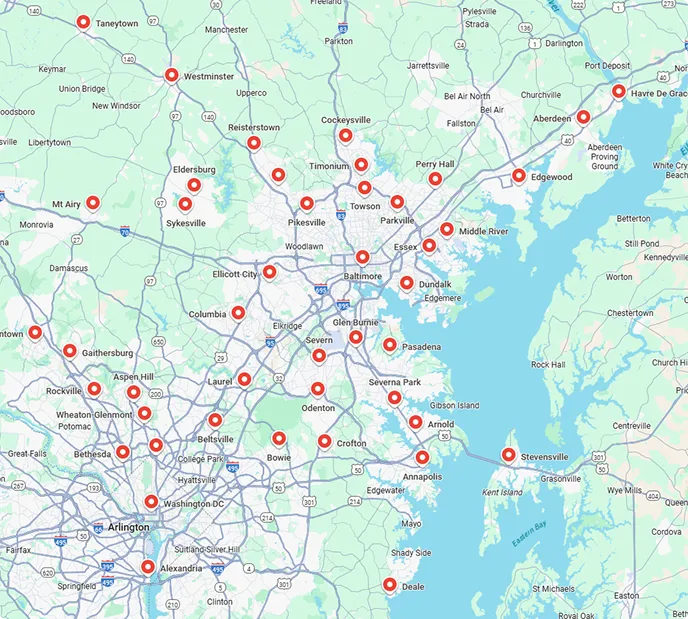
Service areas