

Furnace Repair in Eldersburg, MD
When your furnace stops heating reliably, emits unusual smells, or runs constantly, it disrupts your comfort and can create safety risks for homes and businesses in Eldersburg. Tario HVAC offers expert furnace repair in Eldersburg, MD, focusing on fast, accurate diagnostics and lasting repairs specifically tailored to our local climate and diverse building stock. Given that winters here bring cold, extended heating seasons, prompt service from Tario HVAC not only reduces wear and improves efficiency but also significantly lowers the chance of carbon monoxide exposure, especially in homes with older or high-use heating systems.
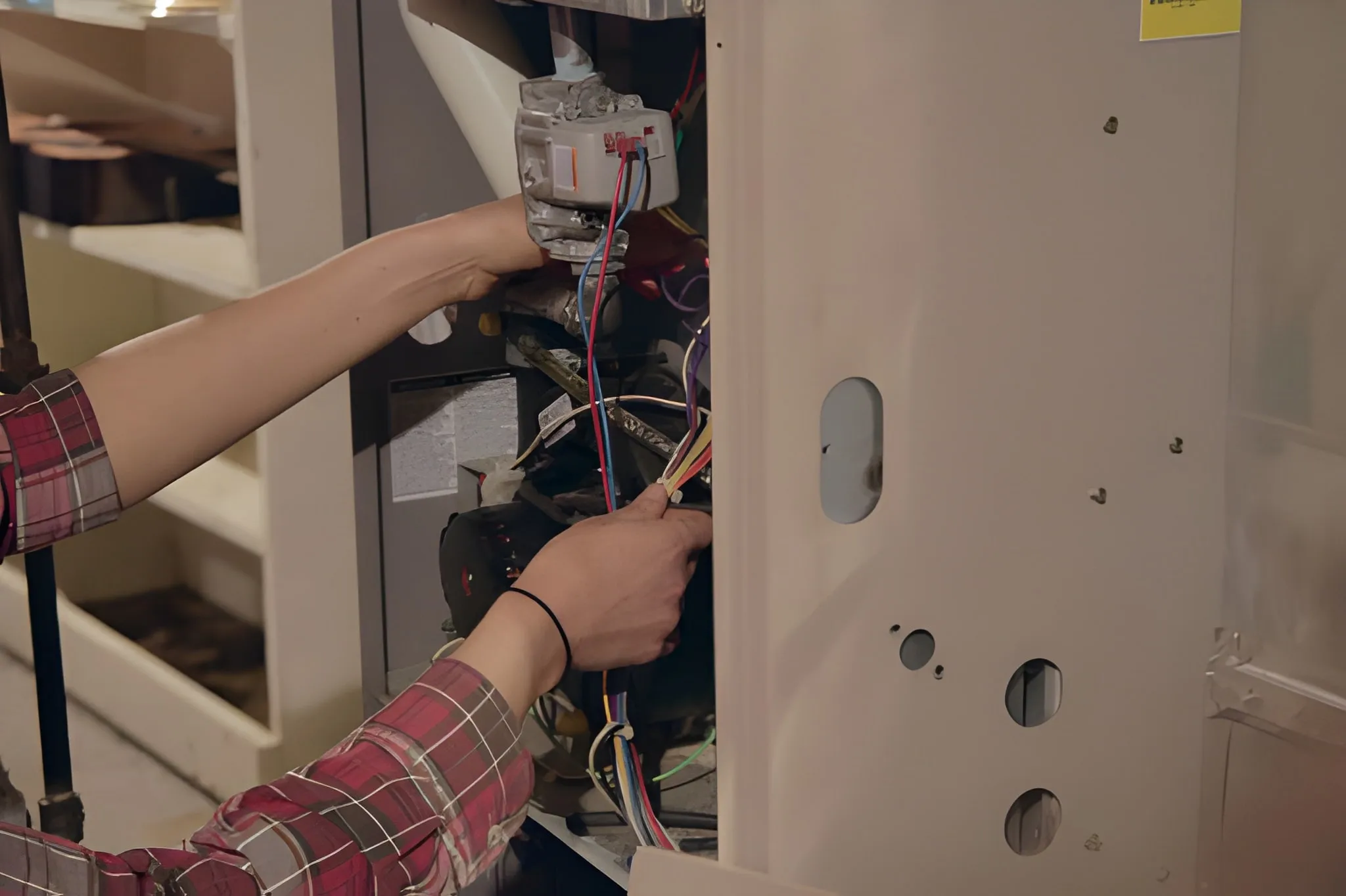
Furnace Repair in Eldersburg, MD
When your furnace stops heating reliably, emits unusual smells, or runs constantly, it interrupts comfort and can create safety risks in Eldersburg homes and businesses. Furnace Repair in Eldersburg, MD focuses on fast, accurate diagnostics and lasting repairs tailored to the local climate and building stock. Winters here mean cold, extended heating seasons; prompt service reduces wear, improves efficiency, and lowers the chance of carbon monoxide exposure in homes with older or high-use systems.
Common furnace failure symptoms in Eldersburg homes
- No heat or intermittent heat: Blower runs but no warm air, or heat cycles unpredictably.
- Unusual noises: Grinding, rattling, or banging can indicate motor, belt, or heat exchanger issues.
- High utility bills and short cycling: Furnace turns on and off frequently, often caused by airflow or control problems.
- Yellow or flickering pilot/safety light: Possible combustion issues or blocked vents.
- Uneven heating or weak airflow: Clogged filters, duct leaks, or failing blower motors.
- Odors: Musty or burning smells can signal dust burning after inactivity or electrical problems.
- Carbon monoxide alarms or symptoms: Headaches, nausea, or CO detector alerts require immediate action.
Step-by-step troubleshooting and diagnostic process
Technicians follow a methodical diagnostic workflow to identify root causes quickly and safely.
Initial intake and symptom verification
- Confirm operating history, when problems started, and any recent maintenance.
Visual inspection
- Check furnace cabinet, vents, filters, thermostat settings, and immediate safety issues.
Electrical and control checks
- Test power supply, fuses, breakers, and thermostat communication.
Combustion and gas system inspection
- Verify gas valve operation, ignition system or pilot function, and flame characteristics.
Airflow and distribution assessment
- Measure blower operation, filter condition, duct connections, and register performance.
Mechanical and component tests
- Evaluate motors, belts, bearings, limit switches, and heat exchanger integrity.
Carbon monoxide and safety checks
- Perform CO tests inside furnace and in occupied spaces; inspect venting for blockages or backdrafting.
Diagnosis reporting
- Provide a clear explanation of findings, prioritize repairs by safety and performance, and outline recommended parts and timelines.
Typical repairs and parts replacement
Common repairs address safety, functionality, and efficiency. Typical items serviced or replaced include:
- Ignition systems: Hot surface ignitors and electronic ignitors.
- Gas valves and pressure regulators: For fuel control and safe combustion.
- Heat exchangers: Cracked exchangers are a primary safety concern and often require unit-level decisions.
- Blower motors and belts: Restore airflow and correct vibration or noise issues.
- Control boards and thermostats: Replace faulty electronics causing intermittent operation.
- Flame sensors and pilot assemblies: Solve ignition failures and nuisance shutdowns.
- Limit switches and safety controls: Ensure the system shuts down under unsafe conditions.
- Duct sealing and filter replacements: Improve airflow and indoor air quality.
Repairs are performed to industry safety standards. When a repair cannot safely restore reliable operation—most often with compromised heat exchangers or obsolete systems—technicians will document the safety risk and provide options for replacement.
Emergency and after-hours response in Eldersburg, MD
Eldersburg winters can make furnace failures urgent. After-hours response focuses on safety stabilization:
- Priority for CO alarm events and loss of heat in extreme cold: Immediate assessment and temporary measures to protect occupants.
- Temporary fixes: Safe shutoffs, ventilation checks, and short-term heating recommendations until permanent repair is possible.
- Estimated repair timelines: Simple component replacements can often be completed same day. More complex repairs or parts requiring ordering may take additional days. Timeline depends on part availability and system condition.
- Cost factors overview: Final repair cost varies with parts required, labor complexity, age of the furnace, and any required safety work. Technicians explain which items affect cost and why before proceeding.
Technician qualifications and safety protocols
- Certified and trained technicians: Experience with gas furnaces, electric furnaces, and hybrid systems common in the region.
- Licensing and insurance: Work performed in accordance with local code requirements and insured for property and liability protection.
- Safety-first procedures:
- Complete carbon monoxide testing before and after repairs.
- Gas leak detection and pressure testing for fuel systems.
- Proper venting and combustion air verification.
- Lockout/tagout for electrical safety when servicing internal components.
- Documentation: Technicians provide service records, safety checks performed, and recommendations for future monitoring.
Warranty coverage for repairs
Repair warranties typically cover parts and labor for a defined period. Warranties vary by part manufacturer and service policies. Standard coverage addresses replaced components and workmanship; extended warranties may be available for specific parts or labor. Warranty documentation will outline what is covered, any exclusions (for example corrosive damage or preexisting conditions), and steps to make a claim if an issue recurs.
Tips to prevent future breakdowns in Eldersburg homes
- Change filters regularly: Every 1 to 3 months depending on use, pets, and indoor air quality.
- Schedule annual professional tune-ups before heating season: Optimize efficiency and catch worn parts early.
- Keep vents and registers clear: Maintain airflow and prevent heat buildup.
- Ensure proper attic and crawlspace insulation and sealing: Reduce runtime and uneven heating in colder Maryland winters.
- Monitor carbon monoxide detectors: Replace batteries regularly and test units monthly.
- Address odd sounds or smells early: Small symptoms often prevent larger failures.
Furnace repair work in Eldersburg, MD centers on safety, prompt diagnostics, and durable solutions that reflect local weather patterns and home construction. Timely attention reduces risk, improves comfort, and extends system life while ensuring combustion safety and efficient operation.
Q: How quickly can a furnace issue be diagnosed?
A: A trained technician can often identify the primary cause during an on-site visit within the first hour by following a structured diagnostic checklist. Complex or intermittent issues may require additional testing or follow-up visits.
Q: What should I do if my carbon monoxide alarm sounds?
A: Immediately evacuate the building to fresh air, call emergency services if anyone is symptomatic, and avoid re-entering until a qualified technician confirms the space is safe.
Q: Are repair warranties transferable if I sell my home?
A: Warranty transferability depends on the warranty terms. Some manufacturer and service warranties can transfer to new owners, but many require registration or have specific conditions.
Q: Can routine maintenance reduce repair frequency?
A: Yes. Annual maintenance and timely filter changes reduce component stress, improve efficiency, and catch problems before they lead to breakdowns.
Q: What factors influence repair timelines?
A: Availability of replacement parts, accessibility of the equipment, system age and condition, and whether safety-critical components like heat exchangers require more extensive work all affect how long repairs take.

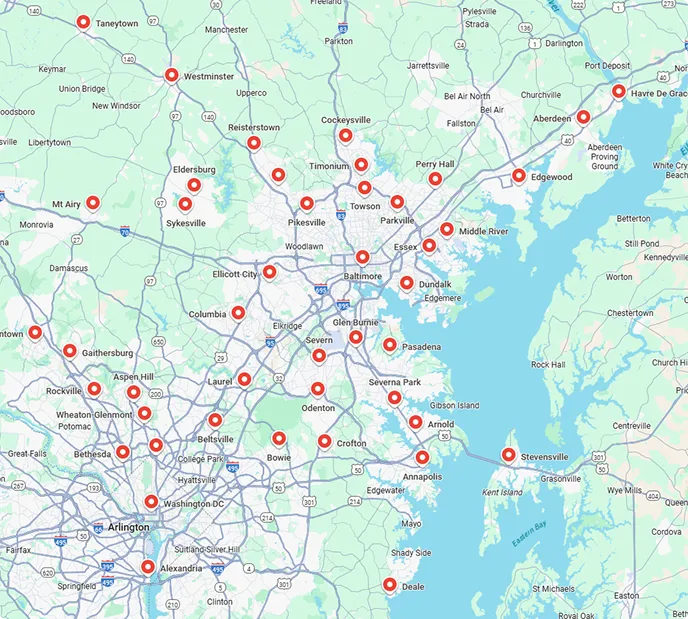
Service areas