

Furnace Tune-Up in Columbia, MD
A regular furnace tune-up in Columbia, MD by Tario HVAC keeps your heating system running safely, efficiently, and reliably through cold winters. A professional tune-up is a preventive visit that finds small problems before they become breakdowns, restores combustion and airflow performance, and helps your furnace use less energy. For Columbia homes — where winters can be chilly and humidity variations encourage corrosion and debris buildup — an annual pre-season tune-up is one of the best ways to protect comfort, indoor air quality, and long-term equipment value.
.jpeg)
Furnace Tune-Up in Columbia, MD
A regular furnace tune-up in Columbia, MD keeps your heating system running safely, efficiently, and reliably through cold winters. A professional tune-up is a preventive visit that finds small problems before they become breakdowns, restores combustion and airflow performance, and helps your furnace use less energy. For Columbia homes — where winters can be chilly and humidity variations encourage corrosion and debris buildup — an annual pre-season tune-up is one of the best ways to protect comfort, indoor air quality, and long-term equipment value.
What a typical furnace tune-up includes
A standard furnace tune-up visit follows a consistent checklist to ensure safety, efficiency, and dependable operation. Tasks commonly performed:
- System intake and documentation
- Review system age, make/model, maintenance history, warranty status, and homeowner concerns.
- Visual inspection
- Check cabinet, burners, heat exchanger, flue/venting, condensate trap (if applicable), duct boots, and return/return grilles for obvious damage, corrosion, or leaks.
- Cleaning of burners and heat exchanger
- Remove dust, soot, or debris from burners and the heat exchanger surfaces to restore combustion efficiency and detect cracks or rust.
- Ignition and pilot system check
- Inspect and test electronic ignitors or pilot assemblies for reliable start-up.
- Combustion and safety checks
- Perform combustion analysis where applicable, check CO levels, verify proper flame characteristics, and test safety switches and limit controls.
- Lubrication of moving parts
- Lubricate blower motor bearings, belts, and other moving components if required by the manufacturer.
- Filter inspection and replacement
- Inspect air filter; replace or recommend the correct MERV-rated filter for your system and home needs.
- Blower, airflow, and static pressure testing
- Clean the blower wheel, measure airflow and static pressure, and balance as needed to optimize efficiency and comfort.
- Thermostat calibration
- Verify thermostat accuracy and control sequence; recalibrate or suggest recommended upgrades if needed.
- Duct and vent inspection
- Check accessible ducts for disconnections or blockages and verify flue/vent integrity.
- Operational testing and report
- Run the system through cycles, record baseline measurements, and provide a prioritized list of issues and recommended repairs.
Diagnostic steps explained simply
A tune-up is both preventive cleaning and diagnostic testing. Technicians look beyond visible dirt to measure performance:
- Combustion testing checks how well fuel burns. Poor combustion wastes fuel and can produce unsafe gases.
- Airflow and static pressure measurements reveal restrictions that reduce heat delivery and force the furnace to work harder.
- Visual and moisture inspections detect corrosion or condensate issues that can accelerate component failure, particularly in humid summers and freezing winters common to the Columbia area.
- Safety switch checks and limit control verification ensure the furnace will shut down before overheating or creating dangerous conditions.
Common furnace problems uncovered during tune-ups in Columbia, MD
Columbia homes frequently have issues that a tune-up can detect or prevent:
- Dust and debris buildup in burners and blower wheels due to seasonal pollen and household dust
- Clogged filters reducing airflow and increasing cycling frequency
- Minor cracks, corrosion, or seal failures in heat exchangers accelerated by humid conditions
- Improper venting or flue blockages from bird nests, debris, or chimney deterioration
- Thermostat drift causing uneven comfort or short cycling
- Worn bearings or belts in older blower assemblies causing noise and increased energy use
Why a tune-up matters for performance and longevity
Regular professional maintenance delivers measurable homeowner benefits:
- Improved efficiency and lower energy use: Clean burners and optimized airflow reduce fuel consumption and monthly heating costs.
- Fewer breakdowns and longer life: Small issues found and repaired early avoid expensive component failures and premature equipment replacement.
- Enhanced safety: Combustion and CO checks lower the risk of dangerous exhaust conditions and carbon monoxide exposure.
- More consistent comfort: Proper calibration and airflow tuning reduce hot/cold spots and short cycling.
- Warranty protection: Many manufacturers require regular maintenance to keep warranties valid; tune-ups establish a documented maintenance history.
In Columbia’s climate, seasonal preparation is important. A fall tune-up before the heating season helps your system handle the heavy-use months ahead, and it reduces the chance of urgent service calls during cold snaps.
What to expect during the visit (duration and what influences cost)
- Typical duration: 45 to 90 minutes for a standard residential furnace tune-up. Time depends on system complexity, accessibility, and whether additional diagnostics or minor repairs are needed.
- What affects the time and overall service scope:
- System age and condition
- Accessibility of equipment and ductwork
- Presence of heavy soot, corrosion, or animal nesting in vents
- Whether combustion testing or advanced airflow balancing is required
- Cost factors (no specific prices listed): Tune-up cost varies based on the technician’s scope of work, any needed parts, system complexity, and local market conditions. The most accurate estimate comes from a technician after initial inspection; many homeowners find the investment offsets higher fuel bills and repair costs down the road.
Quick homeowner tips for between tune-ups
- Replace or clean filters every 1–3 months depending on filter type, household pets, and occupancy.
- Keep vents and returns unobstructed by furniture or storage to maintain proper airflow.
- Monitor for unusual sounds, increased cycling, reduced heat output, or new odors — these are signs to schedule an inspection.
- Ensure outdoor vents and flues are clear of debris, snow, and ice during winter months.
- Consider a programmable or smart thermostat to reduce wear and save energy without sacrificing comfort.
Q: How often should I schedule a furnace tune-up?
A: Most manufacturers and HVAC professionals recommend an annual tune-up, ideally in early fall before heavy use.
Q: Will a tune-up reduce my heating bills?
A: A properly performed tune-up improves combustion and airflow, which typically reduces energy consumption and can lower heating bills over the season.
Q: Can a tune-up detect carbon monoxide leaks?
A: Yes. A tune-up includes combustion analysis and CO checks that help identify unsafe exhaust conditions and malfunctioning components.
Q: Is a tune-up the same for every furnace type?
A: Core inspection and safety checks are consistent, but specific tasks vary by type (gas, oil, electric, or high-efficiency condensing furnaces). Technicians tailor the visit to your system.
Regular furnace maintenance is a practical, safety-focused step that protects comfort and investment—especially in Columbia, MD where seasonal weather and humidity patterns increase the importance of reliable heating performance.

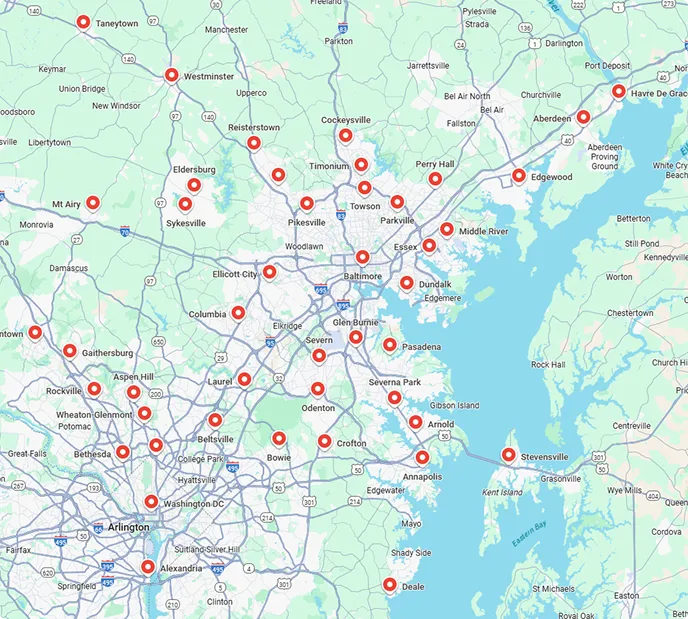
Service areas