

Furnace Installation in Columbia, MD
A properly installed furnace keeps your Columbia, MD home warm, efficient, and safe through cold months while minimizing energy costs and breakdowns. Tario HVAC is here to explain the full new-furnace installation process for Columbia homeowners: from the initial site assessment and professional sizing to ductwork changes, permitting, safety checks, and post-installation care. Our goal is to help you make an informed, confident decision about furnace replacement or first-time installation that fits local climate needs and building requirements.
-min.webp)
Furnace Installation in Columbia, MD
A properly installed furnace keeps your Columbia, MD home warm, efficient, and safe through cold months while minimizing energy costs and breakdowns.
Why replace or install a new furnace in Columbia, MD
- Columbia winters are cool to cold and often require consistent heating. An appropriately sized, high-efficiency furnace improves comfort and reduces fuel use.
- Older furnaces can lose efficiency, produce uneven heating, or pose safety risks like carbon monoxide leaks. New systems restore reliability and meet current energy and safety standards.
- Modern systems offer higher AFUE ratings, better airflow control, and compatibility with zoning and smart thermostats, which matters for homes with varied heating needs.
Common furnace installation types in Columbia homes
- Gas furnace installation or replacement for homes on natural gas service.
- High-efficiency condensing gas furnaces that recover more heat from flue gases.
- Oil furnace replacement where natural gas is not available.
- Electric furnace or heat-pump hybrid installs for all-electric homes or those prioritizing electrification.
- Furnace plus air-handling and duct upgrades for older houses with leaky or undersized ducts.
Initial site assessment and sizing
- Professional installers perform a detailed site assessment, including a Manual J heat load calculation to size the furnace for your home. Proper sizing prevents short cycling and maximizes efficiency.
- Assessments consider insulation levels, window types, home orientation, local wind exposure, and basement or crawlspace characteristics common in Howard County homes.
- Technicians inspect existing fuel lines, venting, combustion air access, electrical supply, thermostat location, and ductwork condition to identify required modifications.
Recommended models and efficiency considerations
- Efficiency is measured by AFUE for combustion furnaces. Columbia homeowners often choose higher AFUE units to offset colder months and rising energy costs. Higher-efficiency condensing furnaces typically require a drain for condensate.
- Consider compatibility with existing ductwork and whether a variable-speed blower or two-stage burner suits your comfort needs. Variable-speed blowers improve air circulation and reduce noise.
- In some Columbia homes, a packaged system or heat pump may be recommended based on fuel availability and long-term efficiency goals.
- Selection also factors in venting type, cabinet size for tight utility closets, and local code compliance for combustion air and flue requirements.
Ductwork and venting modifications
- Ductwork often needs repair, sealing, or resizing when installing a new furnace. Leaky or undersized ducts reduce system efficiency and comfort.
- Common duct upgrades include sealing with mastic, adding insulation in unconditioned spaces, and modifying trunk lines for balanced airflow across rooms.
- Venting updates may be required for high-efficiency condensing units, which use PVC for exhaust, or for switching furnace types. Proper vent slope, termination location, and clearances are part of the installation plan.
- Combustion air and exhaust compliance is verified to meet local building practice and to ensure safe operation.
Permitting and code compliance
- Furnace installation requires local permits and inspections. In Columbia this typically involves Howard County building permits and adherence to Maryland mechanical and fuel gas codes.
- Licensed installers handle permit submission, inspections, and documentation to ensure installations meet safety and efficiency standards.
- Installations must comply with requirements for venting, combustion air, gas piping sizing and leak testing, electrical connections, and carbon monoxide safety measures.
Step-by-step installation procedures
- Pre-installation: Confirm model, schedule, and required parts. Protect living areas with floor coverings and create a clear work zone.
- Disconnect and removal: Safely disconnect gas, electrical, and vent connections. Remove the old furnace and prepare the pad or platform if needed.
- Rough-in modifications: Update gas lines, vent piping, condensate drains, and make duct transitions or repairs identified during assessment.
- Set and connect: Position the new furnace, connect gas, electrical, thermostat wiring, venting, and duct connections. Seal all joints and insulate where required.
- Final plumbing and electrical: Install condensate piping and electrical disconnects. Verify proper vent slope and termination clearances.
- Safety and commissioning tests: Perform required safety checks before start-up.
Safety and commissioning tests
- Combustion and safety: Test for gas leaks, perform a combustion analysis when applicable, and verify proper draft and flue operation.
- Carbon monoxide: Measure CO levels at the furnace and around the first floor to ensure safe operation.
- Airflow and pressure: Test airflow, measure static pressure, and verify that distribution meets design specifications.
- Thermostat and controls: Calibrate the thermostat, test all operating modes, and confirm proper cycling and blower operation.
- Final inspection: Complete the manufacturer start-up checklist, document serial numbers and warranty registrations, and prepare for the municipal inspection required by local code.
Expected project timeline
- A straightforward furnace replacement in a standard setup often completes in one day. Complex installs that require significant ductwork, structural changes, or venting reroutes may take two to three days.
- Permit turnaround and scheduling of official inspections can extend the overall timeline. Installers coordinate with local inspectors to meet Howard County scheduling practices.
Maintenance plans and warranties
- Manufacturer warranties commonly cover parts and, in some cases, labor for a defined period. Keep all documentation and register the equipment as recommended to preserve coverage.
- Regular maintenance extends system life and maintains efficiency. Recommended service includes annual inspections, filter changes every 1 to 3 months depending on filter type, blower cleaning, and checking flue and venting annually.
- Consider a planned maintenance agreement that includes seasonal tune-ups, priority scheduling for repairs, and safety checks. For Columbia homes, addressing humid summers and cold winters helps systems operate reliably year round.
A professionally sized and installed furnace tailored for Columbia, MD climate and construction delivers consistent comfort, lower fuel bills, and safer operation. Investing in proper assessment, compliant venting, sealed ductwork, and routine maintenance protects that investment and ensures the equipment performs as intended for its full expected life.
FAQs
Q: How do I know what furnace size I need?
A: A qualified installer will perform a Manual J heat load calculation that estimates your home heat loss and recommends the correct furnace capacity based on insulation, windows, square footage, and local climate factors.
Q: Will installing a high-efficiency furnace require changes to my home?
A: Potential changes include condensate drains, PVC venting for condensing units, and possible duct sealing or resizing. The assessment phase will identify any necessary modifications.
Q: How long does a typical furnace installation take?
A: Simple replacements can often be completed in one full day; more complex installations with ductwork or venting changes may take two to three days plus time for inspections.
Q: What safety tests are performed after installation?
A: Installers check for gas leaks, verify combustion and CO levels, test flue draft, measure airflow, and calibrate controls and thermostats before leaving the job.
Q: How often should a new furnace be serviced?
A: Annual professional inspections are recommended, plus filter changes regularly. This ensures safe operation, optimal efficiency, and maintains warranty conditions.

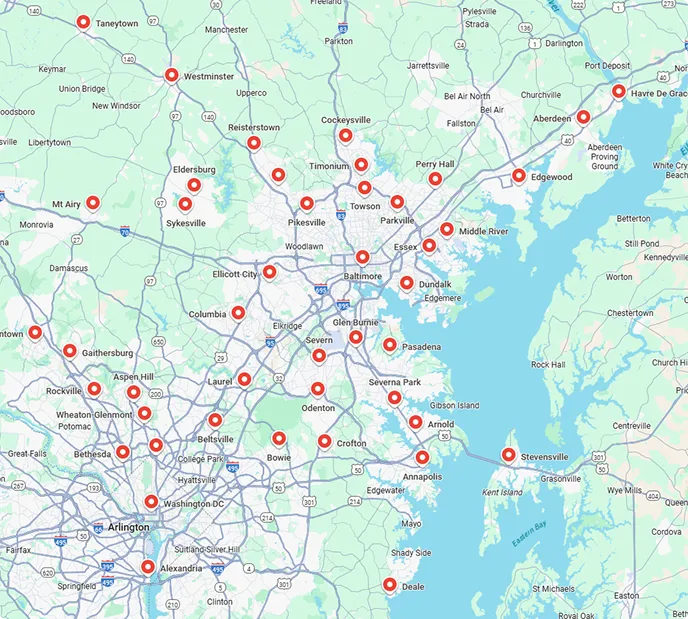
Service areas