

Furnace Maintenance in Columbia, MD
A well-maintained furnace is the difference between steady, efficient heat through Columbia winters and unexpected breakdowns on the coldest mornings. Furnace maintenance in Columbia, MD from Tario HVAC focuses on seasonal tune-ups, safety inspections, routine cleaning, and diagnostic testing so your system runs safely, reliably, and efficiently when you need it most. We explain what our routine maintenance covers, common issues local homeowners face, what to expect from our maintenance plans, and the practical benefits of staying current with Tario HVAC service.

Furnace Maintenance in Columbia, MD
A well-maintained furnace is the difference between steady, efficient heat through Columbia winters and unexpected breakdowns on the coldest mornings. Furnace maintenance in Columbia, MD focuses on seasonal tune-ups, safety inspections, routine cleaning, and diagnostic testing so your system runs safely, reliably, and efficiently when you need it most.
Common furnace maintenance issues in Columbia, MD
Columbia homes face a mix of early cold snaps, sustained winter use, and humid summers that can affect heating systems. Common problems caught during maintenance include:
- Dirty or clogged air filters that restrict airflow, reduce efficiency, and force the blower to work harder.
- Soot or debris on burners and in combustion chambers that reduce heat output and can cause incomplete combustion.
- Cracked or corroded heat exchangers that compromise safety and efficiency.
- Blocked vents or flue openings from snow, ice, leaves, or bird nests that create backpressure or carbon monoxide risk.
- Failed ignitors or pilot assemblies that prevent reliable start-up.
- Condensate drain and trap freezes or clogs on high-efficiency systems that cause shutdowns or water damage.
- Inaccurate thermostats and poor airflow from sealed or leaky ductwork, producing uneven heat and short cycling.
What a seasonal tune-up includes
A comprehensive furnace tune-up addresses safety, cleanliness, and performance. Typical seasonal maintenance tasks include:
- Safety inspection - Visual check for carbon monoxide risk, flue integrity, proper venting, and condition of safety controls.
- Filter replacement - Replace or recommend filters on a schedule based on filter type and household needs; inspect filters each visit.
- Cleaning burners and heat exchanger - Remove soot, dust, and debris to restore proper combustion and heat transfer.
- Blower and motor service - Clean the blower wheel, inspect motor bearings, check belt condition and tension, and lubricate moving parts where applicable.
- Ignition and electrical checks - Test spark/ignitor function, inspect wiring, and measure electrical draw to detect failing components.
- Combustion and efficiency checks - Measure combustion quality and draft (for gas furnaces), check gas pressure, and evaluate overall system efficiency and output.
- Flue and vent inspection - Ensure vents and flues are free of obstruction and securely mounted; check for corrosion or leaks.
- Condensate and drain maintenance - Clear lines and traps on high-efficiency units; check for freeze risk and proper slope.
- Airflow and duct inspection - Verify supply and return airflow, look for disconnected or leaky ducts, and suggest corrective steps.
- Operational test and diagnostics - Run the system through a full heating cycle and use diagnostic tools to identify intermittent or developing faults.
Diagnostic testing that catches issues early
Proactive diagnostics reduce emergency repairs. Routine diagnostic checks include electrical load tests, motor amperage readings, thermostat calibration, vibration and noise analysis, and combustion testing. These tests identify components that are close to failure, inefficient combustion that can raise bills or create safety concerns, and abnormal system behavior such as short cycling. Early detection allows targeted repairs that are typically less costly than emergency replacements.
Maintenance plans and service agreements
Maintenance plans are structured to make furnace upkeep predictable and effective. Typical elements of a service agreement include:
- Scheduled seasonal tune-ups timed before heating season and sometimes mid-season checks.
- Priority or scheduled appointment windows for covered visits.
- Predefined filter replacement schedules and documentation of service history.
- Discounted labor or parts pricing for repairs performed under the plan.
- Written inspection reports and single-source documentation that supports manufacturer warranty requirements.Plans can be tailored to the heavier winter demands in Columbia, accounting for prolonged run times and potential freeze-related issues.
Benefits of regular furnace maintenance in Columbia, MD
Keeping your furnace maintained delivers measurable advantages:
- Reliability during cold weather - Reduced risk of breakdowns during peak heating demand and cold snaps common to Howard County winters.
- Lower energy bills - Cleaner, properly tuned equipment runs more efficiently and uses less fuel each season.
- Longer equipment life - Regular cleaning and component checks reduce wear and extend service life.
- Improved safety - Inspections catch combustion inefficiencies and venting issues that can lead to carbon monoxide problems.
- Better indoor comfort and air quality - Proper airflow, clean filters, and healthy ductwork reduce dust and improve temperature consistency.
- Predictable maintenance records - Documented service supports warranty compliance and provides value if you sell your home.
Practical tips for Columbia homeowners
- Schedule your main heating tune-up in late summer or early fall before the first sustained cold period. A mid-winter check can be valuable after prolonged heavy use.
- Replace or check filters monthly during peak use, or follow the manufacturer schedule for higher-efficiency filters.
- Keep outside vent openings, combustion air intakes, and pipe terminations clear of leaves, snow, and ice; road salt can accelerate corrosion on exterior components.
- If you have a high-efficiency condensing furnace, watch condensate lines for freeze risk and ensure proper insulation where needed.
- Consider coordinated duct inspection if your home is older or has had renovations; duct leaks amplify the cost of inefficient operation during Columbia winters.
- If you notice odd smells, reduced heat, cycling issues, or higher bills, treat those as signs to request diagnostic testing rather than waiting for a full failure.
Furnace maintenance in Columbia, MD is a practical investment in safety, comfort, and energy efficiency. Routine tune-ups, thorough inspections, and proactive diagnostics reduce emergency repairs and keep your system performing reliably through the region's cold months.
Q: How often should I schedule furnace maintenance?
A: Schedule a full tune-up at least once per year before heating season; change or check filters monthly during heavy use and consider a mid-season inspection if your system runs continuously.
Q: Will maintenance improve my energy bills?
A: Yes. Cleaning burners, replacing filters, calibrating controls, and ensuring proper combustion all improve efficiency and can lower fuel use and monthly heating costs.
Q: Do maintenance plans cover repair costs?
A: Coverage varies by plan. Maintenance agreements typically include scheduled tune-ups, priority service, and discounts on repairs; they rarely cover full replacement costs.
Q: Can maintenance prevent carbon monoxide leaks?
A: Regular safety inspections and combustion checks significantly reduce the risk by identifying cracked heat exchangers, blocked vents, and incomplete combustion that can lead to carbon monoxide.
Q: When is the best time to schedule a tune-up in Columbia, MD?
A: Late summer to early fall is ideal so your furnace is inspected and tuned before prolonged winter use; schedule before the first major cold snap.

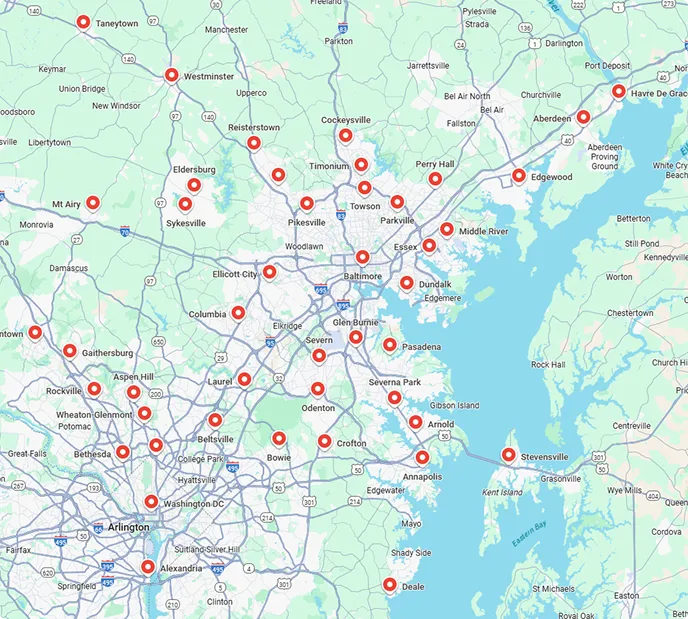
Service areas